Mid-Century Modern Living Room Ideas: Design Your Dream Space
Infuse your home with iconic style! Discover fresh Mid-Century Modern living room ideas to create a harmonious, sophisticated, and inviting space. Get inspired now!
By Roomellow Team
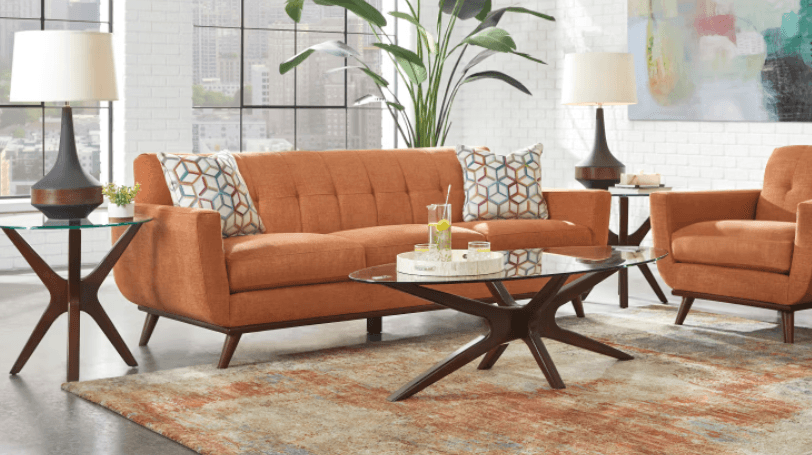
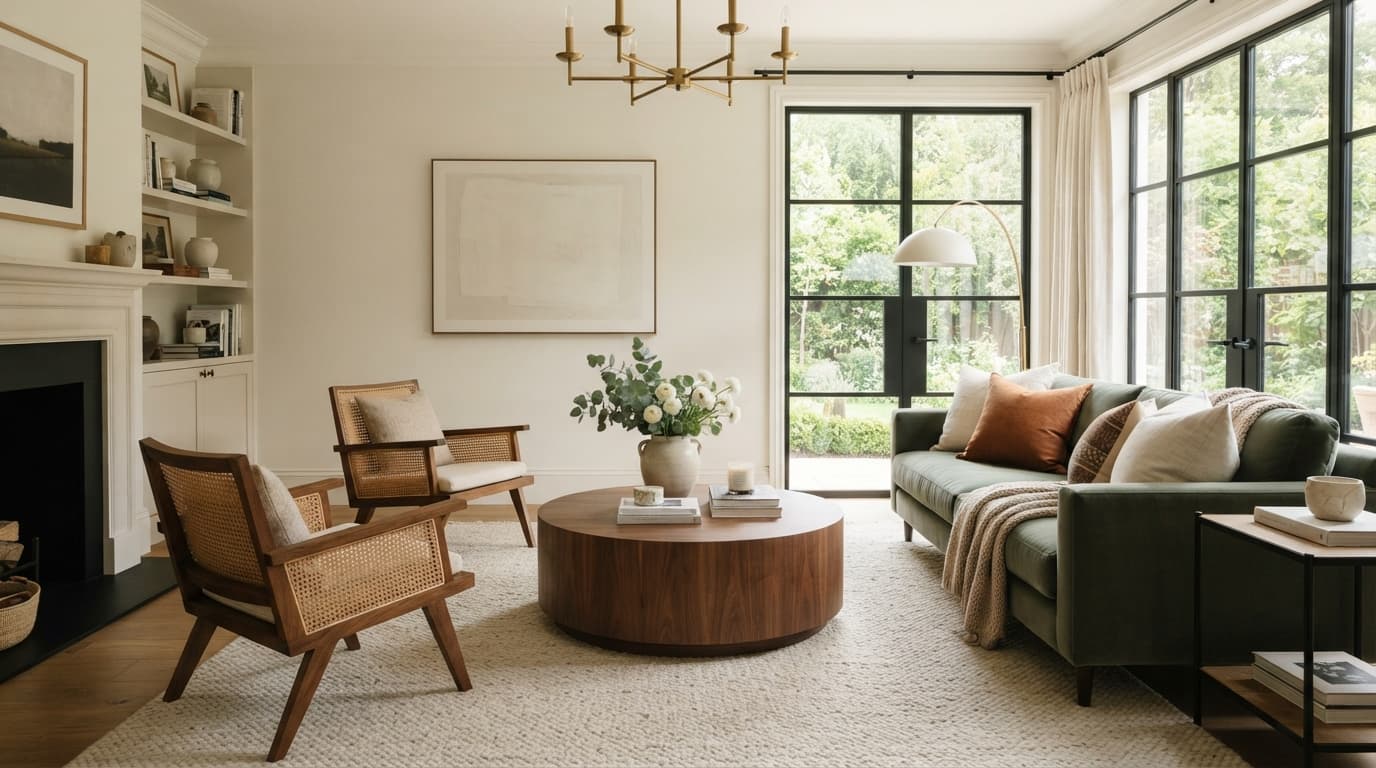
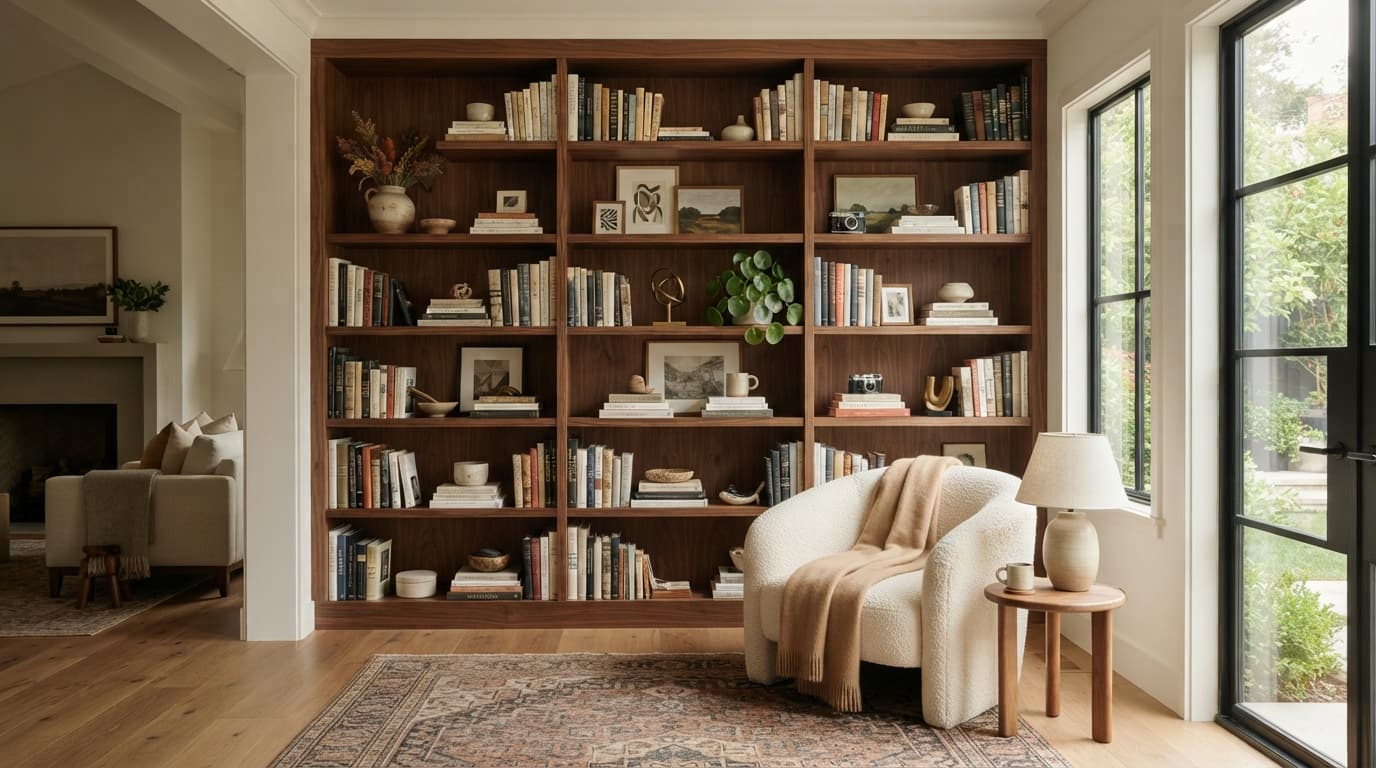
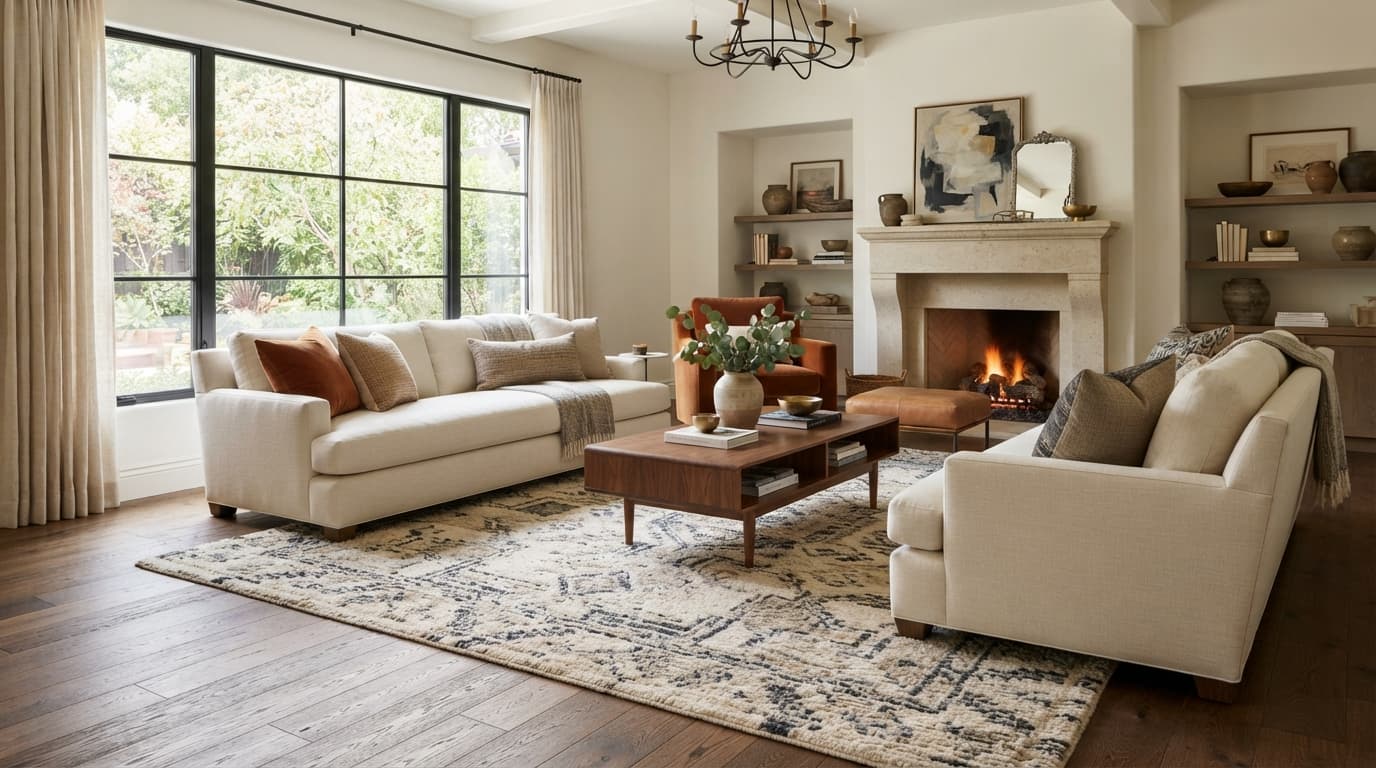
The enduring allure of Mid-Century Modern (MCM) design lies in its timeless blend of functionality, clean lines, and organic forms. Originating from the post-World War II era (roughly 1940s to 1970s), this style brought a fresh perspective to interior spaces, moving away from ornate traditionalism towards an accessible yet sophisticated aesthetic. A Mid-Century Modern living room isn't just about furniture; it's about creating a harmonious, inviting space that prioritizes comfort, innovation, and understated elegance. If you're looking to infuse your home with this iconic style, you're in the right place. We'll guide you through actionable ideas to design a Mid-Century Modern living room that feels both authentic and uniquely yours.
Understanding the Essence of Mid-Century Modern Design
Before diving into specific elements, it's crucial to grasp the core principles that define MCM. This style emerged from a period of optimism and technological advancement, influencing design with a focus on:
- Functionality: Furniture was designed to serve a purpose efficiently, often with multiple uses.
- Clean Lines & Minimalist Forms: A rejection of excessive ornamentation, favoring sleek, uncluttered silhouettes.
- Organic Shapes: Curves and natural forms softened the modern aesthetic, inspired by nature.
- Innovative Materials: A pioneering use of new materials like fiberglass, plywood, plastic laminates, and lucite, alongside traditional wood and metal.
- Connection to Nature: Large windows, indoor plants, and natural wood tones blurred the lines between interior and exterior.
These principles combine to create spaces that are inviting, sophisticated, and remarkably versatile, making MCM an ideal choice for a mid-century living room.
The Foundation: Iconic Mid-Century Modern Furniture
Furniture is the cornerstone of any Mid-Century Modern living room. Each piece often feels sculptural yet remains highly functional. Focus on investing in key items that embody the era's design ethos.
Sofas & Seating: Low-Slung Comfort
Choose sofas and armchairs with clean lines, low profiles, and often exposed wooden frames or tapered legs. Upholstery frequently features durable fabrics like wool, tweed, or linen, along with luxurious options like leather and velvet. Look for:
- Track Arm or Tuxedo Sofas: With their straight, clean lines.
- Tufted Backs: A classic detail that adds sophistication without being overly ornate.
- Exposed Wood Frames: Often in walnut, teak, or oak, highlighting craftsmanship.
- Iconic Chairs: Consider an Eames Lounge Chair and Ottoman for ultimate comfort, a classic Wishbone Chair, or a streamlined Saarinen Womb Chair.
When selecting your sofa, think about the overall scale of your living room. For advice on making the right choice, check out our guide on Expert Guide: Choose the Right Sofa for Your Living Room.
Tables: Sculptural & Functional
Coffee tables and side tables in MCM design are often focal points, showcasing innovative shapes and materials.
- Coffee Tables: Look for designs with organic curves (like a Noguchi table), glass tops with wooden bases, or simple rectangular wood tables with tapered legs.
- Side Tables: Pedestal tables (Saarinen Tulip Table variations), nested tables, or drum tables made from wood, metal, or even ceramic are excellent choices.
Storage & Media Units: Credenzas and Sideboards
MCM storage is both practical and beautiful. Credenzas and sideboards are hallmarks of the era, offering ample storage with clean fronts and sometimes sliding doors.
- Material: Walnut and teak are predominant, often with brass or chrome hardware.
- Form: Low-slung, long, and streamlined. They can serve as media consoles, display surfaces, or simply elegant storage solutions.
Here's a quick reference for key MCM furniture characteristics:
| Furniture Type | Key Characteristics | Typical Materials |
|---|---|---|
| Sofas & Chairs | Low-slung, clean lines, tapered legs, exposed wood | Leather, velvet, wool, teak |
| Coffee Tables | Organic shapes, glass tops, geometric wood bases | Wood (walnut, teak), glass, metal |
| Side Tables | Pedestal bases, nested sets, drum shapes, minimalist | Wood, metal, glass, laminate |
| Credenzas/Media | Long, low profile, clean fronts, sliding doors | Walnut, teak, brass, laminate |
| Lighting | Sculptural, atomic, arc shapes, diffused light | Brass, chrome, glass, fiberglass |
The Palette: Colors and Materials That Define MCM
The color palette and material choices are essential for creating an authentic Mid-Century Modern living room.
Color Palette: Earthy Sophistication with Bold Accents
MCM embraces a blend of warm, earthy tones with sophisticated neutrals and occasional pops of vibrant, saturated color.
- Neutrals: Warm grays, off-whites, and deep charcoal provide a calming backdrop.
- Earthy Tones: Avocado green, mustard yellow, burnt orange, and various shades of brown (especially teak and walnut) are signature colors.
- Accent Colors: Teal, robin's egg blue, atomic orange, or even fuchsia can be used sparingly to add energy and playfulness.
Think about how these colors work together. A neutral sofa can be brightened with mustard yellow cushions, or a credenza can be topped with a vibrant teal ceramic vase.
Materials: A Symphony of Textures
The tactile quality of MCM spaces comes from a rich mix of natural and innovative materials.
- Wood: Walnut and teak are kings, renowned for their warm tones and beautiful grain. Oak and rosewood are also common.
- Upholstery: Leather (especially caramel or black), velvet, wool, tweed, and linen bring texture and comfort.
- Metals: Brass, chrome, and sometimes brushed steel are used for hardware, lamp bases, and furniture accents.
- Glass: Often used for tabletops or room dividers, contributing to an open, airy feel.
- Innovative Materials: Fiberglass (think Eames chairs), plastic laminates, and Lucite (though less common in living rooms) were cutting-edge at the time and represent the era's forward-thinking spirit.
Combining these materials thoughtfully adds depth and authenticity. A walnut credenza paired with a leather sofa, brass accents, and a wool rug epitomizes the MCM aesthetic.
Illuminating Your Space: Mid-Century Modern Lighting
Lighting in an MCM living room is more than just illumination; it's an art form. Fixtures are often sculptural, functional, and statement-making.
- Sputnik Chandeliers: A quintessential MCM piece, radiating a celestial, atomic age vibe.
- Arc Floor Lamps: Providing overhead light without permanent installation, often with a large, domed shade.
- Table Lamps: Characterized by ceramic bases, conical or drum shades, or whimsical atomic designs. Look for lamps with brass or chrome accents.
- Wall Sconces: Often sleek and geometric, adding ambient light and visual interest.
The goal is to provide varied layers of light – ambient, task, and accent – while ensuring each fixture contributes to the room's overall design narrative.
Art & Accessories: The Finishing Touches
While MCM leans towards minimalism, carefully chosen accessories are crucial for injecting personality and warmth without clutter.
- Artwork: Abstract expressionist pieces, geometric prints, or graphic posters (think travel, advertising, or minimalist landscapes) fit perfectly. Framed vintage maps or architectural blueprints can also work.
- Textiles: Rugs with geometric patterns, abstract designs, or shag textures add warmth and define zones. Cushions with bold patterns or solid blocks of color can brighten a neutral sofa.
- Decor Objects:
- Ceramics: Sculptural vases, often in earthy tones or with organic shapes.
- Clocks: Starburst wall clocks or streamlined desk clocks.
- Bar Carts: A stylish and functional addition, especially if it's a brass and glass model.
- Plants: Large, leafy indoor plants like a Fiddle Leaf Fig, Monstera, or Snake Plant enhance the connection to nature and add organic texture.
Remember, less is often more. Each accessory should feel intentional and contribute to the overall aesthetic.
| Accessory Type | MCM Examples | Tips for Placement |
|---|---|---|
| Rugs | Geometric, abstract, shag, solid wool | Define seating areas, add warmth and texture |
| Cushions | Bold patterns, solid color blocks, textured fabrics | Add pops of color, comfort, and visual interest |
| Artwork | Abstract, geometric prints, vintage posters | Create a focal point, reflect personal style |
| Ceramics | Sculptural vases, bowls in organic shapes | On credenzas, coffee tables, open shelving |
| Plants | Fiddle Leaf Fig, Monstera, Snake Plant | Corner spaces, near windows, on low tables |
| Barware | Sleek decanters, vintage glassware, brass tools | On a dedicated bar cart or credenza |
Crafting Your Layout: Functionality Meets Flow
An effective Mid-Century Modern living room layout prioritizes openness, functionality, and ease of movement. The goal is to create zones for different activities while maintaining a cohesive, inviting flow.
- Open Concept: If your home has an open floor plan, embrace it. Use rugs and strategic furniture placement to define distinct areas (e.g., seating, reading nook).
- Conversation Focus: Arrange seating to encourage interaction. A sofa facing two armchairs, or two sofas facing each other with a coffee table in the center, are classic configurations.
- Clear Pathways: Ensure there's ample space to move around furniture without feeling cramped. This aligns with the MCM emphasis on functionality.
- Focal Point: Identify a natural focal point, whether it's a fireplace, a large window with a view, or a standout piece of art. Arrange furniture to complement this.
For more detailed advice on optimizing your space, particularly if you're dealing with limited square footage, explore our article on How to Design a Small Living Room (Without Making It Feel Cramped). Whether you're designing a large or small living room, these principles will help create a welcoming MCM space.
Integrating Roomellow into Your Mid-Century Modern Design Journey
Bringing these Mid-Century Modern living room ideas to life can feel overwhelming, especially when trying to visualize how different pieces, colors, and textures will interact in your specific space. This is where Roomellow comes in as your go-to design tool.
With Roomellow, you don't have to guess. You can upload a photo of your existing living room and let our AI transform it with Mid-Century Modern furniture and decor, perfectly tailored to your space. Imagine seeing a virtual rendition of your room with that iconic walnut credenza, a low-slung sofa, and a Sputnik chandelier, all before making a single purchase. The best part? Roomellow helps you discover real, purchasable furniture from furniture stores that match the redesigned aesthetic, making your dream living room a tangible reality. [/]
Our platform allows you to experiment with different MCM palettes, compare furniture arrangements, and even visualize how a bold accent wall might look. It's an indispensable tool for refining your vision and ensuring every choice aligns with the Mid-Century Modern aesthetic you love. Discover how to transform your space with our guide on How to Redesign Your Room with AI (And Actually Buy the Furniture).
Avoiding Common Pitfalls
While designing a Mid-Century Modern living room is exciting, there are a few traps to avoid:
- The "Museum" Effect: Don't make your living room feel like a static display. Balance iconic pieces with personal touches and comfort. The style is meant to be lived in!
- Over-Accessorizing: MCM champions clean lines. Resist the urge to clutter surfaces with too many small items. Each accessory should have a purpose or be a statement piece.
- Ignoring Scale: Ensure furniture pieces are proportionate to your room size. A massive sectional in a small living room will overwhelm it.
- Mismatching Woods: While mixing different wood tones can be done artfully, be mindful. Aim for a cohesive blend rather than a chaotic jumble. Stick to 2-3 dominant wood types.
For more general advice on refining your design process, consider reading our AI Interior Design Tips: Get the Best Room Redesign Results.
Budgeting for Your Mid-Century Modern Living Room
Creating an MCM living room doesn't have to break the bank. You can achieve the look with smart budgeting and strategic sourcing.
Prioritize Key Pieces
Invest in a few high-quality, authentic, or well-made reproduction pieces for your sofa, a signature armchair, or a credenza. These will define the room's character.
Mix New and Vintage
- Vintage Finds: Thrift stores, antique shops, estate sales, and online marketplaces (like eBay, Etsy, 1stDibs) are treasure troves for authentic MCM pieces. Be prepared for potential restoration.
- New Reproductions: Many brands offer excellent reproductions of classic MCM designs, often at a more accessible price point than originals.
- Contemporary Pieces: You can also incorporate new, modern furniture that complements the MCM aesthetic with clean lines and similar materials, without being a direct reproduction.
DIY and Upcycling
Consider restoring a vintage wooden piece yourself or updating existing furniture with new MCM-inspired upholstery or hardware. This can significantly reduce costs.
| Budget Level | Strategy | Examples |
|---|---|---|
| High | Invest in authenticated original designer pieces | Eames Lounge Chair, Saarinen Tulip Table (new), custom-made credenza |
| Mid-Range | Mix high-quality reproductions with select vintage | Reproduction sofa, vintage credenza, new arc lamp |
| Accessible | Focus on MCM-inspired pieces, thrifting, DIY | IKEA hacks, vintage side tables, DIY art, budget-friendly lighting |
For more strategies on designing a stylish space without overspending, take a look at our guide on Interior Design on a Budget: How to Style Your Room Without Overspending.
Frequently Asked Questions About Mid-Century Modern Living Rooms
Can I mix Mid-Century Modern with other design styles?
Absolutely! MCM is highly versatile. It pairs beautifully with Scandinavian (sharing a focus on functionality and natural wood), minimalist (for its clean lines), and even some modern elements. The key is to find common threads like simplicity, clean lines, or a similar color palette to ensure harmony.
What are the best wood types for MCM furniture?
Walnut and teak are arguably the most iconic wood choices for Mid-Century Modern furniture. Walnut offers a rich, deep brown hue, while teak has a warm, golden-brown tone. Both are known for their beautiful grain and durability. Oak and rosewood are also common.
How do I find authentic Mid-Century Modern pieces?
Look for reputable vintage furniture stores, architectural salvage yards, estate sales, and online marketplaces specializing in vintage goods. Pay attention to construction, hardware, and manufacturer marks. Be prepared to research designers and brands to identify genuine pieces.
Is Mid-Century Modern design still relevant today?
Definitely. Its emphasis on functionality, quality craftsmanship, and timeless aesthetics ensures its enduring appeal. MCM pieces integrate seamlessly into contemporary homes, offering a sense of history and sophisticated design that transcends fleeting trends.
Ready to redesign your room?
Upload a photo of your room and get a professional AI redesign with real furniture you can buy. Free to try — no credit card required.
Try Roomellow free