Scandinavian vs Minimalist Interior Design: Choose Your Vibe
Confused by Scandinavian vs Minimalist interior design? Compare their philosophies, palettes, and vibes — and see how Scandinavian minimalism blends the best of both.
By Roomellow Team
When it comes to modern interior design, two styles often get mentioned in the same breath, leading to understandable confusion: Scandinavian and Minimalist. Both champion clean lines, functional spaces, and a decluttered aesthetic. Yet, beneath their shared appreciation for simplicity, lie distinct philosophies, palettes, and emotional impacts. If you’re planning a home refresh or starting a new design project, understanding these nuances is crucial for creating a space that truly resonates with you.
At Roomellow, we frequently see users exploring both these styles, and while they share common ground, they offer unique pathways to a beautiful, organized home. Let's break down the core differences and similarities, helping you decide which aesthetic best suits your lifestyle and vision.
Scandinavian vs. Minimalist: A Quick Look
Before we dive deep, here’s a snapshot of the key distinctions between Scandinavian and Minimalist interior design.
| Feature | Scandinavian Design | Minimalist Design |
|---|---|---|
| Origin | Nordic countries (Denmark, Norway, Sweden, Finland) | Post-WWII Western art movement |
| Core Vibe | Warm, cozy, inviting, natural, Hygge | Clean, serene, stark, intentional, "less is more" |
| Color Palette | Light neutrals (white, grey) + soft pastels, muted earthy tones | Monochromatic (white, black, grey) with occasional subtle accents |
| Materials | Light woods (birch, ash), wool, cotton, linen, leather, ceramics, plants | Concrete, metal, glass, sleek laminates, some dark woods, stone |
| Furniture | Functional, comfortable, organic shapes, often mid-century inspired, exposed wood | Sleek, geometric, low-profile, multi-functional, hidden storage |
| Decor | Thoughtful textiles, natural elements (plants), simple art, candles, cozy throws | Highly curated, almost non-existent; single statement art, sculptural elements |
| Lighting | Layered, warm, soft ambient light, natural light maximization | Emphasis on natural light, recessed lighting, stark architectural fixtures |
| Patterns | Subtle geometrics, stripes, abstract, natural textures | Very rare, usually solid colors or simple textures |
The Essence of Minimalist Interior Design
Minimalist design is more than just decluttering; it's a philosophy. Rooted in the art movement of the mid-20th century, it asserts that "less is more." Every element in a minimalist space must serve a purpose, contributing to the overall tranquility and function. It’s about stripping away the superfluous to reveal the essential, creating an environment that feels serene, uncluttered, and highly intentional.
Key Characteristics of Minimalist Design
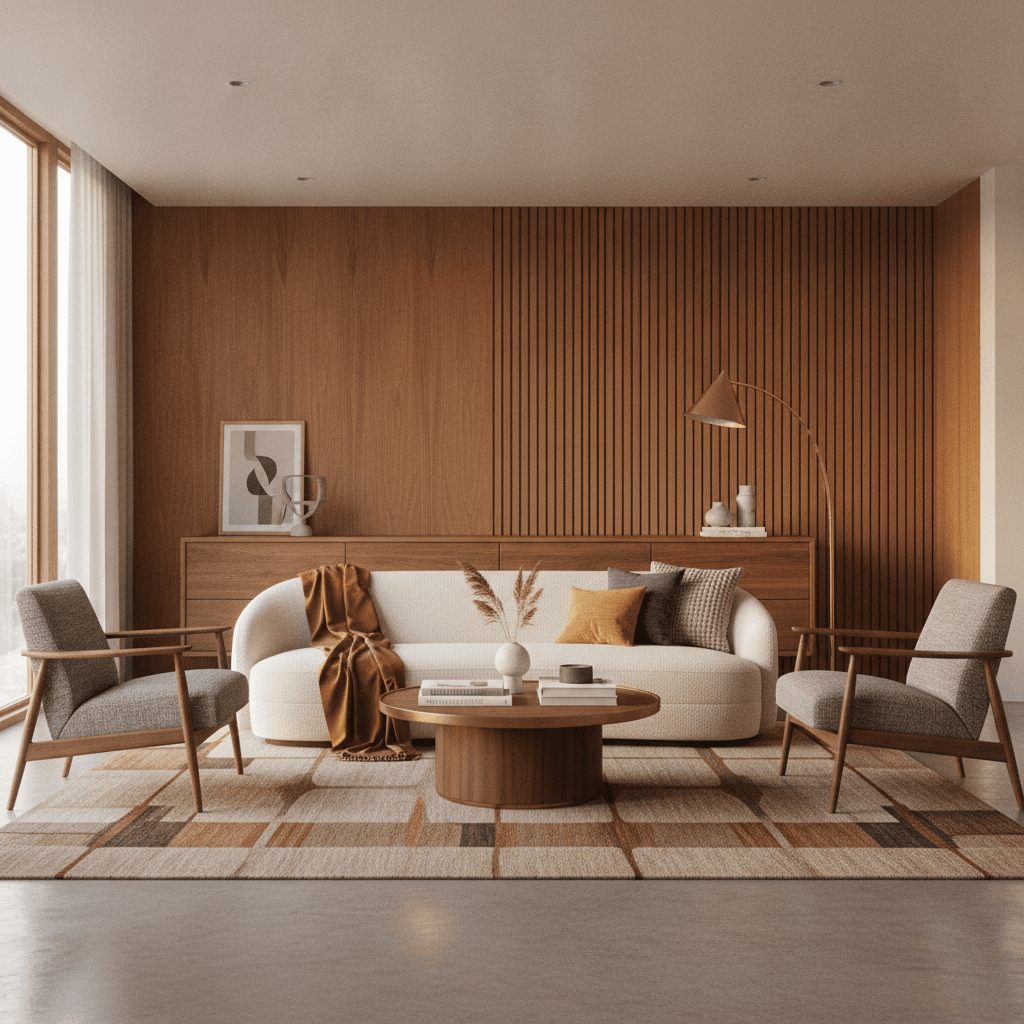
- Color Palette: The foundation of minimalist design is a restrained, monochromatic color scheme. Think crisp whites, charcoal greys, and muted beiges. Black is often used for contrast or to define architectural elements. Pops of color are extremely rare and, if present, are usually deep, saturated tones used sparingly to highlight a single object.
- Example: Imagine a living room with stark white walls, a light grey modular sofa, a black metal coffee table, and perhaps a single piece of abstract black-and-white art.
- Materials: Minimalist spaces favour materials with clean lines and smooth finishes. Concrete, polished metal (chrome, brushed steel), glass, and dark, unadorned wood are common. Textures are subtle, often intrinsic to the material itself, rather than added through ornamentation.
- Example: A dining room might feature a sleek glass-top dining table with metal legs and simple, armless chairs in a dark leather or synthetic material.
- Furniture: Furniture in a minimalist home is characterized by its clean lines, geometric shapes, and often low profile. Pieces are functional, sometimes multifunctional, and chosen for their absolute necessity and design integrity. Hidden storage is paramount to maintain the uncluttered aesthetic.
- Example: A platform bed with integrated storage, a wall-mounted entertainment unit, or a sofa with a sleek, unembellished silhouette are typical. When considering best furniture for small apartments, minimalist pieces excel due to their compact and efficient design.
- Decor and Accessories: This is where minimalism truly distinguishes itself. Decor is almost non-existent. Surfaces are kept entirely clear. Any decorative items are highly curated, often serving as sculptural elements themselves – a single, striking vase, a carefully chosen piece of abstract art, or a unique light fixture. Plants, if used, are typically tall, slender, and sculptural, like a snake plant or a single large monstera, placed in a simple, unadorned pot.
- Example: Instead of a gallery wall, a single large-format print dominates a wall in a bedroom, drawing the eye and making a statement without clutter.
- Lighting: Natural light is maximized in minimalist spaces, often through large, unadorned windows. Artificial lighting is typically recessed, track lighting, or simple, architectural fixtures that blend seamlessly into the ceiling or walls. The goal is even, unobtrusive illumination that highlights the space's clean lines.
- Storage: Crucial for maintaining a minimalist aesthetic, storage is almost always hidden. Built-in cabinetry, seamless closet doors, and drawers keep clutter out of sight, ensuring every surface remains clear.
- Pro Tip: To achieve this effectively, consider a complete overhaul using tools like Roomellow to visualize how custom storage solutions would look in your space. Explore our AI interior design tips for integrating smart storage.
The Appeal and Challenges of Minimalist Design
Minimalist design offers a sense of calm and order, reducing visual noise and promoting focus. It's ideal for those who appreciate uncluttered spaces, easy maintenance, and a serene environment. However, it can sometimes feel stark or impersonal if not executed carefully. The quality of materials and furniture becomes paramount, as there's nothing to distract from imperfections. Designing a truly cohesive minimalist space takes careful planning and can be explored effectively using platforms like Roomellow.
The Warmth of Scandinavian Interior Design
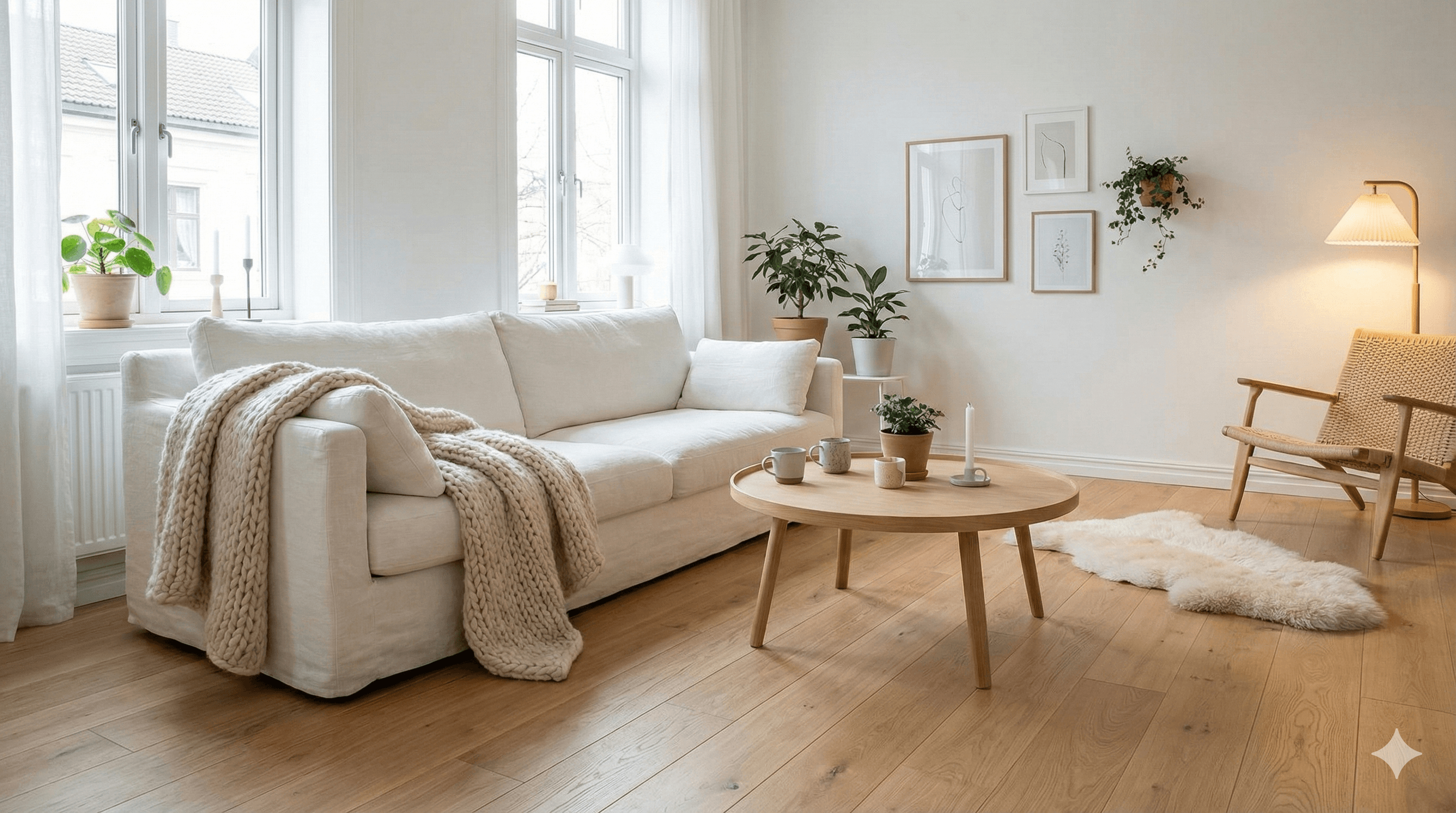
Scandinavian design, by contrast, emerged from the Nordic countries (Denmark, Norway, Sweden, Finland) in the mid-20th century. Born out of a need for practicality, affordability, and a desire to brighten homes during long, dark winters, it emphasizes functionality, natural light, and a deep connection to nature. Unlike the austerity of pure minimalism, Scandinavian design prioritizes comfort, warmth, and a concept known as Hygge (Danish for coziness and contentment).
Key Characteristics of Scandinavian Design
- Color Palette: While still relying heavily on light neutrals like crisp whites, light greys, and creams to maximize light, Scandinavian design introduces a softer, warmer touch. Muted pastels (mint green, dusty rose, pale blue) and earthy tones (terracotta, forest green) are often used as subtle accents. Black and navy might appear for striking contrast, but less frequently than in minimalist spaces.
- Example: A living room with off-white walls might feature a light grey sofa, a couple of cushions in a soft pastel blue, and a throw blanket in a natural wool beige.
- Materials: Natural materials are at the heart of Scandinavian design. Light-toned woods like birch, ash, and pine are dominant, appearing in flooring, furniture, and decorative accents. Textiles like wool, cotton, linen, and sheepskin add warmth and texture. Ceramics, glass, and leather are also frequently incorporated.
- Example: A home office might feature a solid oak desk, a woolen rug, and a leather desk chair, bringing warmth and natural texture to the office space.
- Furniture: Scandinavian furniture is known for its clean lines, functional purpose, and comfort. Often featuring organic shapes and tapered legs, it frequently draws inspiration from mid-century modern design. Pieces are built to last, prioritize ergonomics, and often have an exposed wood frame. While functional, they are designed to be inviting.
- Example: Classic designs like the Wishbone chair, a comfortable fabric sofa with visible wooden legs, or a simple, well-crafted wooden sideboard are characteristic. These pieces combine practicality with understated elegance. For more on this, check out our insights on interior design trends 2026.
- Decor and Accessories: Scandinavian spaces are thoughtfully decorated, but not sparse like minimalist ones. The focus is on quality over quantity. Textiles are key: cozy throws, decorative cushions, and area rugs add warmth and texture. Natural elements like potted plants, fresh flowers, and simple ceramic vases are common. Art is often simple, featuring abstract forms, landscapes, or line drawings. Candles are a quintessential Hygge element, adding ambient light and warmth.
- Example: On a sideboard, you might find a stack of art books, a small plant, and a ceramic bowl, alongside a simple candle.
- Lighting: Scandinavian design places a strong emphasis on soft, layered, and warm lighting to combat dark winters. Natural light is maximized, but artificial lighting is also crucial. Iconic pendant lights, floor lamps with diffusers, and table lamps create cozy pockets of light. Candles are widely used to enhance the Hygge atmosphere.
- Storage: While still emphasizing tidiness, Scandinavian storage is often a mix of open and closed. Open shelving might display carefully curated books, plants, or decorative items, while closed cabinets hide clutter. The goal is organized display rather than absolute concealment.
The Appeal and Challenges of Scandinavian Design
Scandinavian design is universally appealing for its warmth, comfort, and inviting atmosphere. It creates spaces that feel both stylish and livable, promoting well-being and relaxation. It's particularly well-suited for families and those who want a home that feels both modern and welcoming. The challenge lies in striking the right balance between coziness and clutter, ensuring that decorative elements remain intentional and don't overwhelm the space. Roomellow's Scandinavian style page offers great visual inspiration to get this balance right.
Which Style Is Right for You? Making the Choice
Deciding between Scandinavian and Minimalist design depends heavily on your personal preferences, lifestyle, and how you want your home to feel.
Choose Minimalist if:
- You crave ultimate simplicity and order. You find peace in uncluttered surfaces and stark environments.
- You appreciate sleek, modern aesthetics. You prefer sharp lines, geometric forms, and industrial materials.
- You are meticulous about organization. You're committed to keeping only essential items and maintaining an immaculate space.
- You want your home to be a calm, almost meditative sanctuary.
- You value intentionality above all else.
Choose Scandinavian if:
- You desire a warm, inviting, and comfortable atmosphere. You love the concept of Hygge and a home that feels welcoming.
- You connect deeply with nature. You want to incorporate natural materials and light wood tones into your design.
- You appreciate functional design with a touch of organic warmth. You like furniture that is both practical and aesthetically pleasing, often with a mid-century modern influence.
- You enjoy a subtle use of color and pattern. You prefer muted tones and soft textures over stark contrasts.
- You want a home that feels lived-in and cozy, but still stylish and organized.
Scandinavian Minimalism: When You Want Both
These styles are not mutually exclusive — in fact, the blend has become a recognized style of its own. Scandinavian minimalism pairs the pared-back restraint of minimalist design (clean lines, clear surfaces, only-what-you-need furniture) with the warmth Scandinavian interiors are known for: light woods, wool and linen textures, and soft, layered lighting. The result is a space that feels calm and uncluttered without ever feeling cold.
If that's the goal, a few ground rules keep a Scandinavian minimalist interior from drifting toward either extreme:
- Edit like a minimalist, furnish like a Scandinavian. Keep surfaces clear and every piece intentional, but choose furniture with organic shapes, tapered legs, and exposed light wood rather than glass and steel.
- One palette, two temperatures. Stay monochromatic in structure (white walls, grey upholstery), then warm it up with birch or oak tones, cream textiles, and a single muted accent color.
- Texture replaces decor. Where pure minimalism allows almost no accessories, Scandinavian minimalism lets a wool throw, a sheepskin, or a handmade ceramic vase do the decorating — texture adds warmth without adding clutter.
- Light stays soft. Swap stark architectural fixtures for a fabric-diffused pendant and warm bulbs; the room should glow, not gleam.
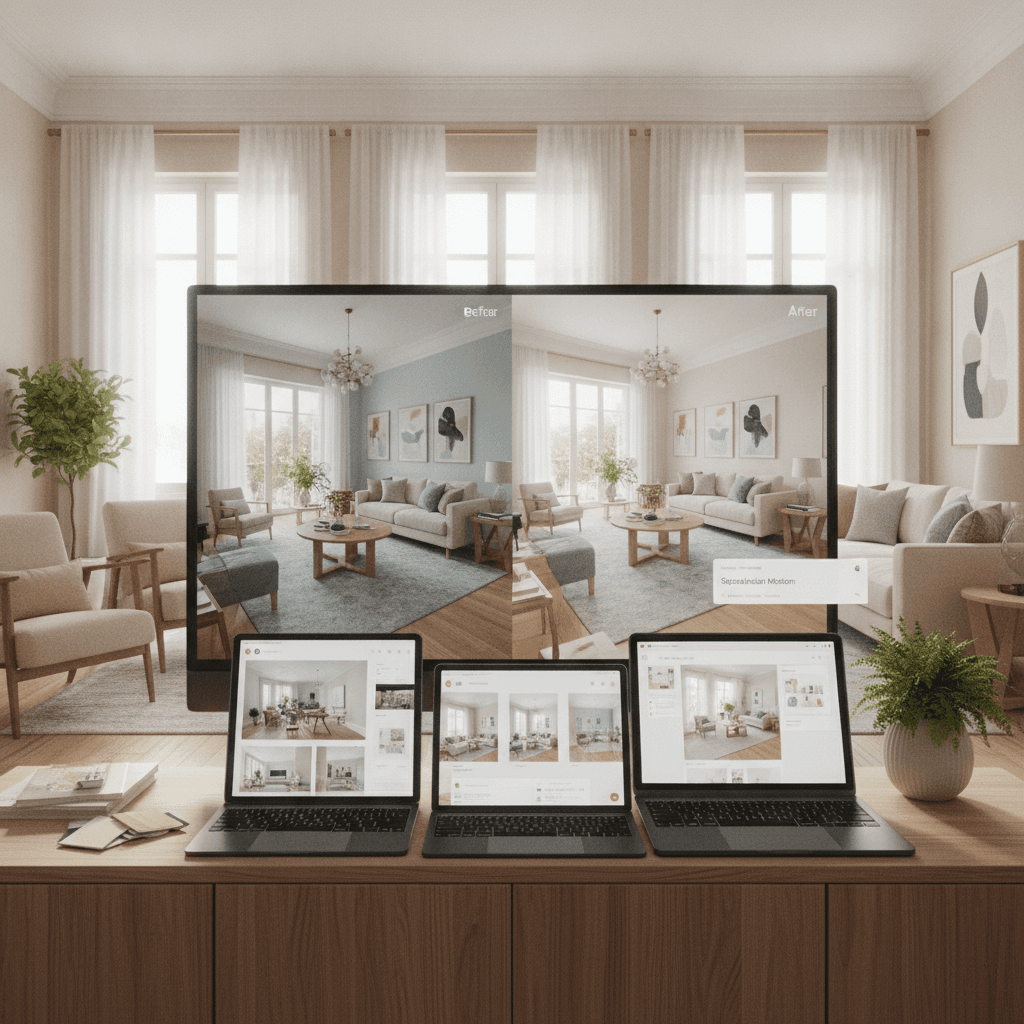
This is where Roomellow truly shines. By uploading a photo of your room and selecting different styles, you can experiment with how various elements from both minimalist and Scandinavian designs interact. You can see how a minimalist bedroom would look with Scandinavian textiles, or how to infuse a minimalist space with natural wood accents to prevent it from feeling too cold. Need ideas on how to redesign your room with AI? Roomellow makes it effortless to visualize these hybrid concepts.
Essential Elements & Budgeting for Your Chosen Style
Let's consider some core elements and how their costs might vary between these two styles, keeping an eye on interior design on a budget.
| Element | Minimalist Approach (Typical) | Scandinavian Approach (Typical) | Budget Consideration |
|---|---|---|---|
| Sofa | Sleek, modular, low-profile, solid color (grey/white) | Comfortable, exposed wooden frame, natural fabric | Minimalist might be higher for custom modular pieces; Scandinavian can be mid-range to high for quality wood. |
| Coffee Table | Glass, metal, or concrete block; very simple | Light wood (oak/birch), often with storage or organic shape | Minimalist can be cheaper for basic, or expensive for sculptural pieces. Scandinavian often mid-range. |
| Lighting | Recessed lighting, hidden LED strips, architectural pendants | Statement pendant, floor lamps with warm glow, candles | Recessed lighting installation can be costly; good Scandinavian fixtures are investment pieces. |
| Textiles | Minimal to none, perhaps one solid throw | Wool, linen, sheepskin throws, patterned cushions, rugs | Minimalist virtually no cost; Scandinavian can add up due to quality natural fibers. |
| Art/Decor | One large abstract piece, sculptural vase | Plants, ceramics, framed prints, candles, books | Minimalist can be expensive for a single statement piece; Scandinavian has more options at various price points. |
| Storage | Built-in, seamless cabinetry, hidden drawers | Mix of open shelving and closed cabinets, wooden sideboards | Built-in storage is an investment; Scandinavian pieces often have visible storage. |
Frequently Asked Questions
Q1: Can Scandinavian and Minimalist designs be combined?
Absolutely! Many contemporary designs blend the best of both worlds. You can achieve a minimalist structure with clean lines and decluttered spaces, then infuse it with Scandinavian warmth through natural wood tones, soft textiles, and carefully chosen plants. The key is balance: retaining minimalist simplicity while adding Scandinavian coziness. The blend is popular enough to have earned its own name — Scandinavian minimalism — covered in detail above.
Q2: Is one style more expensive than the other?
Not necessarily, but the type of expense can differ. Minimalist design often relies on fewer, high-quality, often custom-built pieces and flawless finishes, which can be an investment. Scandinavian design also values quality and craftsmanship, especially with natural woods and textiles, but offers a broader range of price points for decor and accessories. Both can be achieved on various budgets, especially if you focus on key elements and use Roomellow to plan your interior design on a budget.
Q3: Which style is better for small spaces?
Both styles are excellent for small spaces because they emphasize functionality and decluttering. Minimalist design is superb for creating an illusion of space due to its extreme lack of clutter and reliance on sleek, often compact furniture. Scandinavian design also excels by promoting functional furniture and maximizing natural light, which helps a small space feel larger and more inviting. For ideas on how to design a small living room, both styles offer fantastic principles.
Q4: How can Roomellow help me decide and design?
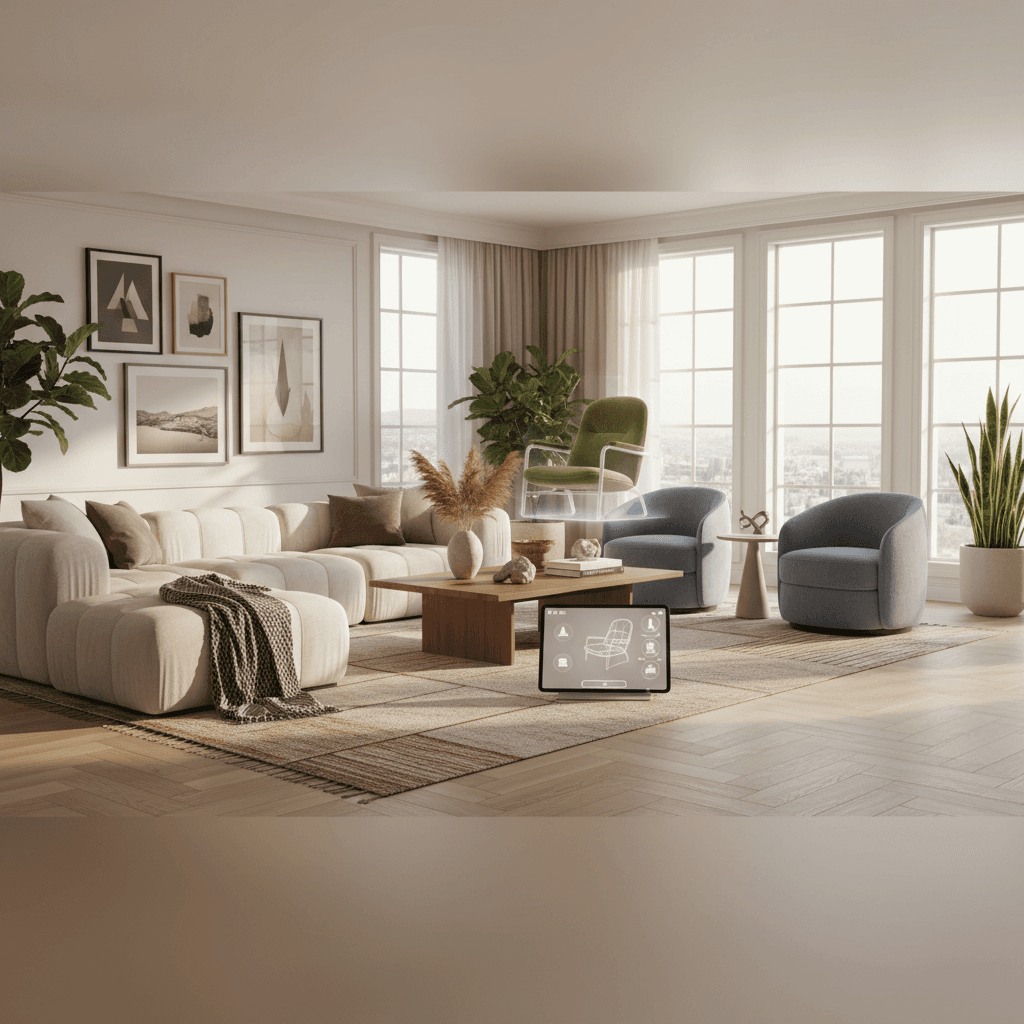
Roomellow is your ultimate tool for exploring these styles. Upload a photo of your existing room (e.g., your living room or bedroom). Then, apply different style filters like Minimalist or Scandinavian. The AI will generate stunning redesigns, showing you how your space could look. You can then refine elements, experiment with furniture placements, color palettes, and see exactly how each style translates into your real room, making informed decisions easier. It's an unparalleled way to visualize before you buy!
Ready to redesign your room?
Upload a photo of your room and get a professional AI redesign with real furniture you can buy. Free to try — no credit card required.
Try Roomellow free