Expert Guide: Choose the Right Sofa for Your Living Room
Struggling with choosing the right sofa for your living room? Our expert guide helps you select the perfect sofa, considering size, style, and comfort. Read on to transform your space!
By Roomellow Team
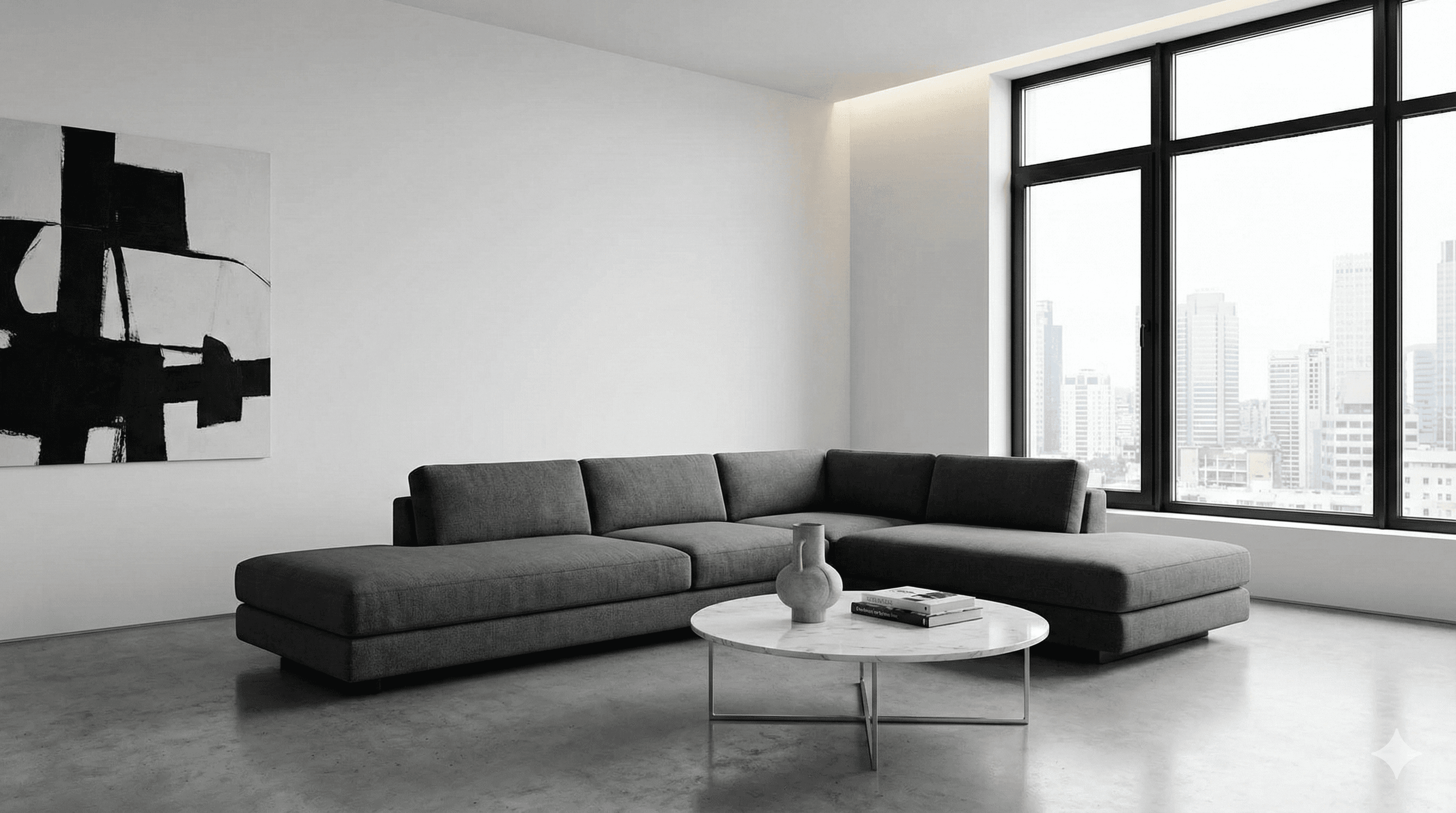
Choosing the perfect sofa for your living room is more than just a purchase; it's an investment in comfort, style, and the very soul of your home. It’s often the largest piece of furniture, the focal point around which memories are made, conversations flow, and relaxation unfolds. But with countless styles, sizes, and materials available, the task can feel overwhelming. Don't worry, we're here to guide you through every critical step, ensuring you select a sofa that not only looks stunning but also perfectly suits your lifestyle and space.
The Sofa: Your Living Room's Cornerstone
Think of your sofa as the anchor of your living room. It dictates the flow of traffic, influences the room's aesthetic, and provides essential seating for your family and guests. A well-chosen sofa can transform a space, making it feel inviting, cohesive, and incredibly comfortable. A poorly chosen one, however, can disrupt the balance, make a room feel cramped, or simply fail to meet your practical needs. This guide will help you avoid the latter, ensuring your sofa choice enhances your home's functionality and beauty.
Assessing Your Living Room's Needs and Dimensions
Before you even begin browsing, the most crucial step is to understand your space and your specific requirements.
Measure, Measure, Measure!
This cannot be stressed enough. A sofa that looks perfect in a showroom can easily overwhelm your living room or, conversely, look dwarfed.
- Room Dimensions: Measure the length and width of your living room.
- Sofa Placement Area: Determine the exact spot where your sofa will go. Measure its maximum allowable length, depth, and height. Remember to account for space around the sofa for side tables, lamps, and comfortable walking paths. A good rule of thumb is to leave at least 18-24 inches of clearance around major pathways.
- Entry Points: Crucially, measure your doorways, hallways, and stairwells. Can the sofa actually fit into your home? Don't forget ceiling heights if you have narrow staircases. If you're considering a large sectional, check if it can be disassembled for easier transport.
A helpful tip: use painter's tape or old newspapers to outline the sofa's dimensions on your floor. This gives you a visual representation of how much space it will occupy.
Your Lifestyle: Who's Using This Sofa?
The best sofa for a bustling family with pets and children will differ significantly from one for a single professional or a couple who frequently entertains.
- Kids and Pets: Prioritize durable, stain-resistant fabrics and sturdy frames. Darker colors or patterned upholstery can be forgiving.
- Frequent Entertainers: Opt for larger sofas, sectionals, or combine a sofa with accent chairs to maximize seating.
- Solo or Couple Use: A comfortable two-seater or a smaller three-seater might suffice, allowing more space for other elements.
- Lounging vs. Formal: Do you want to sprawl out, nap, and watch movies, or do you need a more upright, formal seating arrangement for conversations?
Understanding these factors will guide your choices in sofa type, material, and comfort level.
Table 1: Sofa Dimension Checklist
Use this table as a practical guide during your initial measurements.
| Measurement Category | What to Measure | Why It Matters |
|---|---|---|
| Room Dimensions | Length, Width, Ceiling Height | Ensures the sofa doesn't overwhelm the room or hit low-hanging fixtures. |
| Sofa Placement Area | Max Length, Max Depth, Max Height | Defines the physical footprint your sofa can occupy in its intended spot. |
| Doorways & Entry | Width, Height (of all doors, hallways, stairs) | Critical for delivery clearance. Don't forget to measure diagonally for tight turns. |
| Pathway Clearance | Space around potential sofa placement | Ensures comfortable movement around the room (aim for 18-24 inches). |
| Existing Furniture | Proximity to coffee table, side tables, rugs | Helps visualize how the new sofa integrates with your current setup. |
Sofa Types: Finding Your Perfect Match
The market offers a dizzying array of sofa types, each with its own advantages.
- Sectional Sofa: Ideal for large families or frequent entertainers, sectionals offer ample seating and can be configured in various ways (L-shape, U-shape). They are excellent for creating a cozy, inclusive seating arrangement. However, they require significant space, so consider this carefully if you're exploring how to design a small living room.
- Standard Sofa (Three-seater): The most common choice, versatile enough for most living rooms. It provides comfortable seating for three adults.
- Loveseat: A compact option designed for two people. Perfect for smaller living rooms, studies, or as a complementary piece to a larger sofa. You might find loveseats among the best furniture for small apartments.
- Sleeper Sofa/Sofa Bed: A fantastic dual-purpose option for guests, especially if you lack a dedicated guest room. Modern sofa beds are increasingly comfortable, but always check the mattress quality.
- Chaise Lounge: A longer, reclined seat often attached to a sectional or standalone. Great for lounging and adding a touch of elegance.
- Chesterfield Sofa: Known for its deep button tufting, rolled arms, and often leather upholstery. A classic, formal choice that adds a sense of timeless sophistication.
- Modular Sofa: Highly versatile, allowing you to reconfigure individual pieces to suit different occasions or room layouts. Excellent for dynamic spaces or if you like to change your setup frequently.
Style & Aesthetics: Harmonizing with Your Home
Your sofa should complement your existing decor and personal style. It's not just a piece of furniture; it's a significant design element.
Interior Design Style Alignment
Consider the overall aesthetic of your home.
- Modern: Look for clean lines, minimalist designs, often with metal or slender wooden legs. Explore modern styles for inspiration.
- Minimalist: Emphasize simplicity, functionality, and uncluttered forms. Discover minimalist sofas that blend seamlessly.
- Scandinavian: Focus on light colors, natural materials, and functional, uncluttered designs. Find Scandinavian-inspired pieces.
- Mid-Century Modern: Characterized by tapered legs, organic shapes, and a blend of natural and man-made materials. Dive into Mid-Century designs.
- Bohemian: Opt for sofas with relaxed silhouettes, plush cushions, and perhaps interesting textures or patterns. Embrace Bohemian flair.
- Farmhouse: Choose comfortable, oversized sofas often upholstered in natural, durable fabrics like linen or cotton, with a cozy, rustic appeal. See Farmhouse options.
- Eclectic: You have more freedom here, but ensure the sofa still harmonizes with other elements, perhaps by picking up a color or texture already present.
If you're unsure about your style, Roomellow can help. Upload a photo of your living room, and our AI can suggest redesigns based on various styles, showing you how different sofas would look in your exact space. This can be invaluable when trying to decide between, for instance, a modern vs. farmhouse interior design approach or understanding the nuances between scandinavian vs. minimalist interior design.
Color and Pattern
- Neutrals: Beige, grey, white, and taupe are timeless and versatile. They provide a calm backdrop that allows you to easily change accent colors through cushions, throws, and artwork.
- Bold Colors: A sofa in a vibrant blue, emerald green, or rich burgundy can be a stunning statement piece. Consider if you'll love that color for years to come.
- Patterns: Geometric, floral, or abstract patterns can add personality but might limit future decor changes. Use them sparingly or on smaller accent pieces if you're prone to redecorating.
Legs and Arms
These details might seem minor, but they significantly impact the sofa's overall look.
- Legs: Tapered wooden legs (Mid-Century), sleek metal legs (Modern), or hidden sturdy block legs (traditional) all convey different styles. Higher legs can make a room feel airier, while low-to-the-ground sofas feel cozier.
- Arms: Rolled arms (traditional), track arms (modern, sleek), flared arms (transitional), or armless options (minimalist, modular) all contribute to the sofa's profile and comfort.
Material Matters: Comfort, Durability, and Maintenance
The upholstery, frame, and cushion fill are critical to a sofa's longevity, comfort, and how well it stands up to daily life.
Upholstery Fabric
This is where comfort meets durability.
- Natural Fabrics:
- Cotton: Breathable, soft, and relatively durable. Can be prone to wrinkling and staining.
- Linen: Strong and durable, with a natural, textured look. Wrinkles easily and can be expensive.
- Wool: Very durable, resistant to pilling and fading, and naturally flame-retardant. Can be itchy for some and expensive.
- Velvet: Luxurious, soft, and adds a touch of glamour. Can be delicate and show wear in high-traffic areas, but modern synthetic velvets are more durable.
- Synthetic Fabrics:
- Polyester/Microfiber: Highly durable, stain-resistant, and easy to clean. Excellent for homes with kids and pets. Often mimics the look and feel of natural fibers.
- Nylon: Very strong and resilient, often blended with other fibers to improve durability.
- Acrylic: Mimics wool, resistant to fading and mildew.
- Leather:
- Full-Grain: Highest quality, most durable, develops a beautiful patina over time. Most expensive.
- Top-Grain: Slightly less durable than full-grain (sanded to remove imperfections) but still high quality and softer.
- Bonded Leather: Made from shredded leather scraps bonded with polyurethane. Less durable and prone to peeling, often a more budget-friendly option. Leather is durable, easy to clean (especially spills), and ages beautifully. It can be cooler in summer and warmer in winter than fabric, but it can be prone to scratches from pets.
Table 2: Upholstery Material Comparison
| Material Type | Durability | Maintenance | Feel | Cost (General) | Notes |
|---|---|---|---|---|---|
| Cotton | Medium | Moderate (stains) | Soft, breathable | $ | Natural, comfortable, but can wrinkle and stain. |
| Linen | Medium-High | Moderate (wrinkles) | Textured, crisp | $$ | Strong, elegant, but prone to wrinkling and can be pricey. |
| Velvet (Synthetic) | High | Medium (dust, pile) | Luxuriously soft | $$ | Elegant, rich look, modern versions are quite durable. |
| Microfiber | Very High | Easy (stain-resistant) | Soft, suede-like | $ | Excellent for families & pets, durable, easy to clean. |
| Full-Grain Leather | Extremely High | Easy (wipe clean) | Smooth, supple | $$$$ | Ages beautifully, develops patina, very durable, highest quality. |
| Top-Grain Leather | High | Easy (wipe clean) | Softer, less rugged | $$$ | Good balance of durability and softness, popular choice. |
| Bonded Leather | Low-Medium | Easy | Varies, less natural | $ | Budget-friendly, but less durable and prone to peeling over time. |
Frame Construction
The frame is the skeleton of your sofa. A sturdy frame ensures longevity.
- Hardwood (Kiln-Dried): The best choice. Kiln-dried wood prevents warping and cracking. Examples: oak, maple, birch.
- Plywood: Good quality multi-layered plywood can be sturdy, but avoid particleboard or chipboard, which are weak and break down easily.
- Metal: Increasingly popular in modern designs, metal frames (steel, aluminum) offer exceptional strength and can allow for sleeker profiles.
Always ask about the frame material and construction. Look for frames that are glued, doweled, or screwed, not just stapled.
Cushion Fill
This dictates comfort and how much maintenance your cushions will need.
- Foam:
- High-Resiliency Foam (HR Foam): Denser, more supportive, and retains its shape better over time. Excellent for everyday use.
- Standard Foam: Less dense, may soften and sag more quickly.
- Feather/Down: Luxuriously soft and sink-in comfortable, but requires frequent fluffing to maintain shape.
- Down Wrapped Foam: A combination of support and softness. A foam core wrapped in a feather/down blend provides the best of both worlds – support without excessive fluffing.
- Spring Coil: Provides a supportive, firm sit, often found in high-end, traditional sofas.
The Comfort Factor: Test Driving Your Sofa
Once you've narrowed down your choices based on size, style, and materials, it's time for the ultimate test: sitting on it!
- Sit Naturally: Don't just perch on the edge. Sit as you normally would – slouch, recline, try different positions.
- Seat Depth: Can your feet comfortably touch the floor, or do your legs dangle? Is it deep enough for you to curl up?
- Seat Height: Is it easy to get in and out of?
- Back Support: Does it support your lower back? Is the backrest high enough for your head and neck if you lean back?
- Armrests: Are they at a comfortable height for resting your arms or propping a cushion?
- Firmness vs. Softness: This is personal preference. A firmer sofa offers more support and may last longer, while a softer sofa offers a more relaxed, sink-in feel. Remember that most sofas will soften slightly with use.
Budgeting for Your Sofa Investment
Sofas come in a vast range of prices. While it's tempting to opt for the cheapest option, remember that a sofa is a significant investment in your home's comfort and aesthetic.
- Entry-Level ($500 - $1,500): Often feature synthetic fabrics, plywood frames, and basic foam cushions. May not last as long with heavy use. Good for temporary solutions or very light use.
- Mid-Range ($1,500 - $3,500): You'll find better quality synthetic blends, some natural fabrics, engineered wood frames, and higher-density foam. This is where you get good value for durability and comfort.
- High-End ($3,500+): Expect hardwood frames, premium natural fabrics, top-grain or full-grain leather, and high-quality cushion fills (down-wrapped foam, spring coils). These sofas are built to last decades.
Consider your long-term plans. If you plan to keep the sofa for many years, investing in a higher-quality piece often pays off in durability and sustained comfort. If you're on a tighter budget, explore our guide on interior design on a budget for smart saving tips without compromising too much on quality.
How Roomellow Simplifies Your Sofa Choice
Even after all this careful planning, visualizing a new sofa in your actual living room can be challenging. This is where Roomellow becomes your go-to design tool.
Instead of guessing if that beautiful modern sectional will fit, or if a bohemian velvet sofa will complement your existing decor, simply upload a photo of your current living room to Roomellow. Our platform lets you:
- See Before You Buy: Virtually "place" thousands of real, purchasable sofas from furniture stores directly into your room.
- Experiment with Styles: Try out different sofa types, colors, and materials to see what truly works with your space and existing furniture.
- Optimize Layout: Get a realistic sense of how different sofa sizes impact your room's flow and available space.
- Discover New Ideas: Our AI can even suggest sofas that align with your desired aesthetic, whether you're aiming for a fresh interior design trend in 2026 or a timeless classic.
It's like having a professional interior designer and an endless furniture showroom at your fingertips, making the decision process fun, efficient, and stress-free. Learn more about how to redesign your room with AI.
FAQ About Choosing a Sofa
Q: How do I know if a sofa is durable?
A: Look for a solid, kiln-dried hardwood frame (oak, maple, birch). Ask about the joinery – glued, doweled, or screwed joints are better than staples. For upholstery, tight weaves like microfibers, synthetic blends, or top-grain leather offer excellent durability.
Q: What's the ideal seat depth for a comfortable sofa?
A: An ideal seat depth for most people is generally between 21 to 24 inches. This allows average-height individuals to sit with their feet flat on the floor and their knees bent at a 90-degree angle, providing good back support. However, if you're taller or love to recline, you might prefer a deeper seat.
Q: Can I put a sectional sofa in a small living room?
A: While sectionals are typically for larger spaces, smaller, modular sectionals or L-shaped sofas designed for compact living can work in a small living room. The key is precise measurement and choosing a style with a slim profile and perhaps exposed legs to maintain an airy feel. Consider a symmetrical corner sectional to maximize seating in a tight corner.
Q: How often should I replace my sofa?
A: The lifespan of a sofa varies significantly based on its quality and usage. A well-made, high-end sofa with a solid hardwood frame and quality upholstery can last 15-25 years. A mid-range sofa might last 7-15 years, while a budget-friendly option could last 3-7 years. Signs it's time for a replacement include sagging cushions, a squeaky frame, visible wear and tear on upholstery, or a general lack of comfort and support.
Ready to redesign your room?
Upload a photo of your room and get a professional AI redesign with real furniture you can buy. Free to try — no credit card required.
Try Roomellow free