Transform Your Living Room: Best Coffee Table Ideas & Tips
Don't let your coffee table be an afterthought! Discover essential coffee table ideas, sizing rules, and placement tips to elevate your living room. Read now!
By Roomellow Team
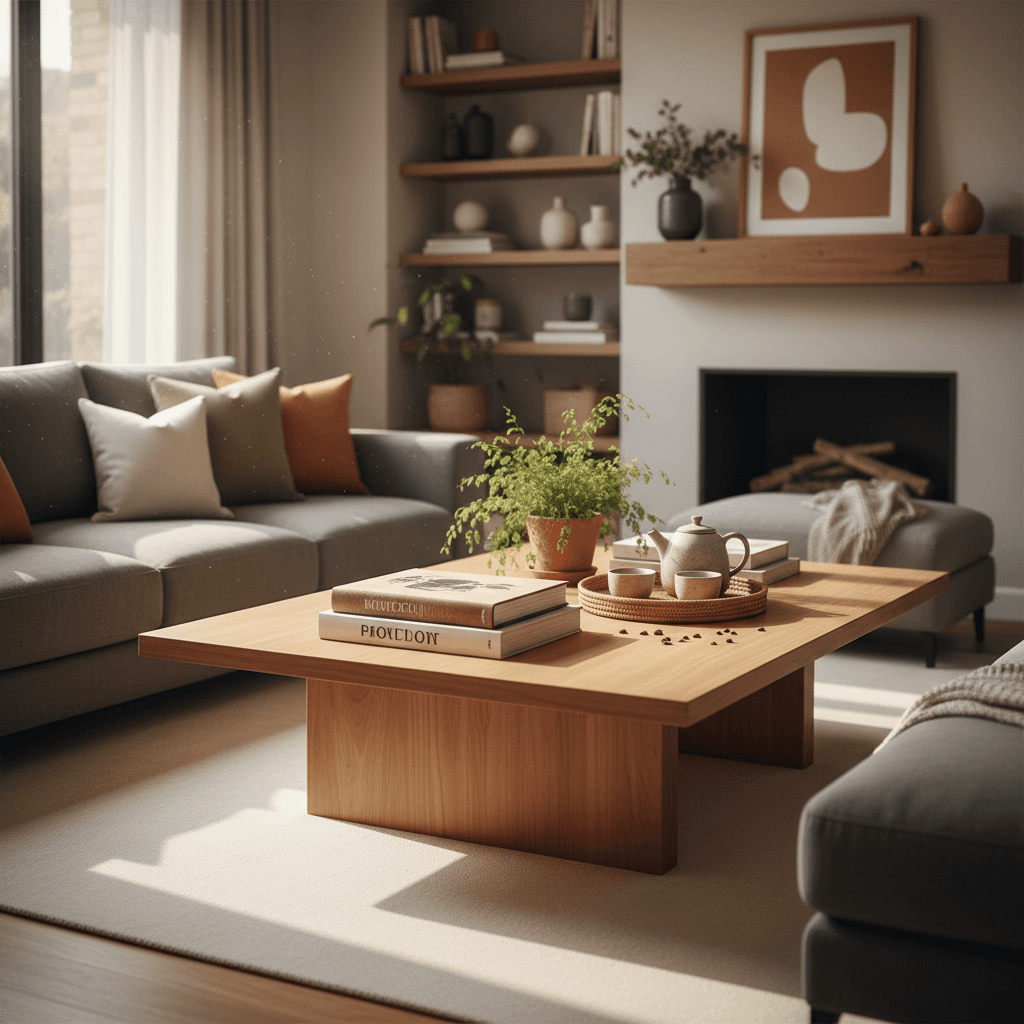
The coffee table often feels like an afterthought. You pick out a sofa, maybe a rug, and then you squint at the remaining space, wondering what odd-shaped thing will fill the void. But here’s the thing: your coffee table is arguably the most crucial piece of furniture in your living room, after the sofa itself. It anchors the entire seating area, dictates flow, and often serves as a silent workhorse for everything from remote controls to impromptu dining. Choosing the right one isn't just about aesthetics; it's about defining the functionality and feel of your whole space.
I've seen countless living rooms, both in person and through the redesigns on Roomellow, where the wrong coffee table completely throws off the balance. It's too big, too small, too high, too low, or just plain doesn't make sense with the sofa. Getting this one piece right can elevate a room from "fine" to "phenomenal." So, let’s talk about how to choose a coffee table that doesn't just fill a space, but truly completes your living room.
The Golden Rules of Coffee Table Placement & Sizing
Before you even start looking at beautiful tables, you need to understand the fundamental rules of proportion and spacing. These aren't suggestions; they're non-negotiables if you want your living room to feel cohesive and comfortable.
Rule 1: Height Matters More Than You Think
Your coffee table should generally be the same height as your sofa's seat cushions, or no more than 1-2 inches higher or lower. If your sofa seat is 18 inches high, aim for a coffee table around 17-19 inches. Why? Because anything taller will make reaching for a drink feel awkward and block sightlines, while anything too low will have you leaning uncomfortably far down. This applies whether you're relaxing with a book or hosting friends.
Rule 2: The "Arm's Reach" Distance
Leave about 15-18 inches between the edge of your sofa and your coffee table. This is the sweet spot. It allows enough room for you to comfortably walk between the two (especially important if you have a tight layout, so check out my tips for How to Design a Small Living Room (Without Making It Feel Cramped)), but also keeps your drink or remote within easy reach without stretching. Any less, and it feels cramped; any more, and it becomes a leaning-tower-of-Pisa situation every time you want to grab something.
Rule 3: Length Proportions
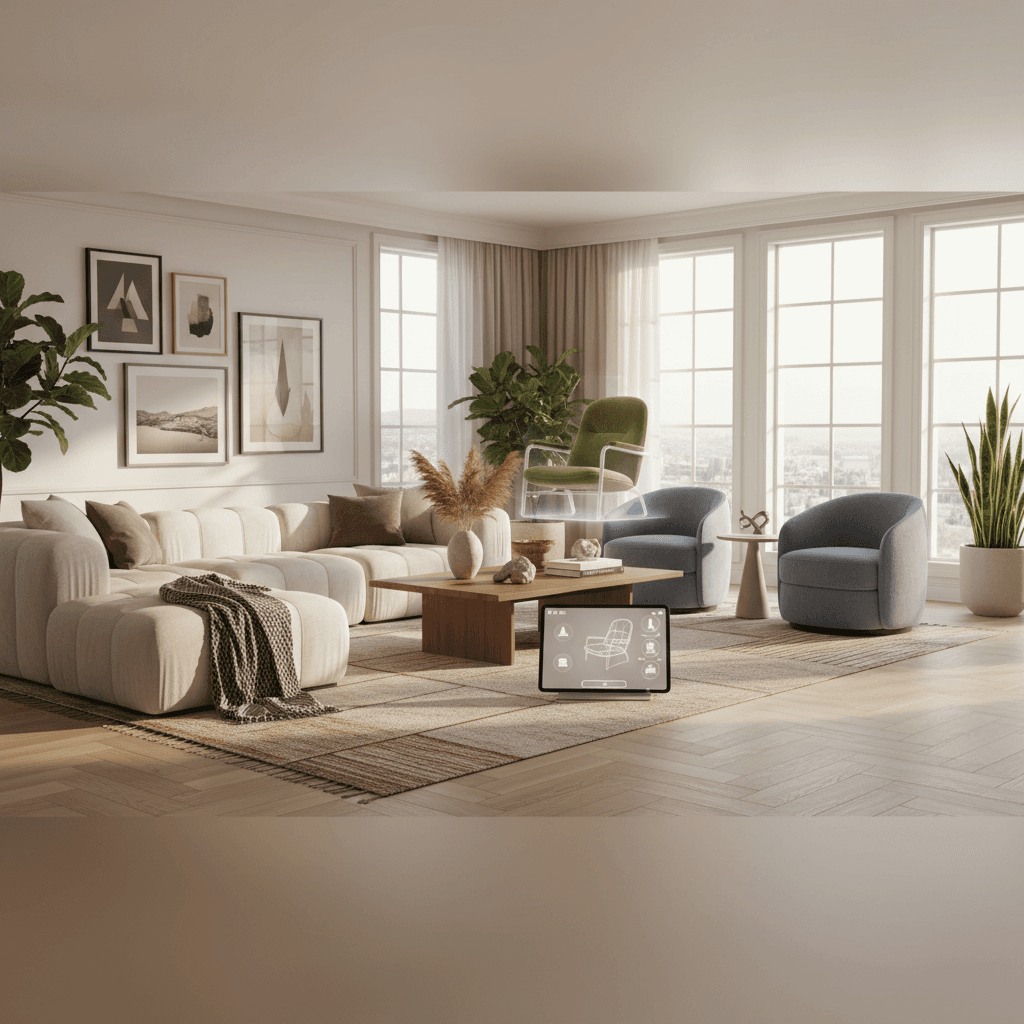
Your coffee table should be approximately two-thirds the length of your sofa. For example, if you have an 80-inch sofa, look for a table around 53 inches long. This ratio ensures visual balance. A coffee table that's too short will look dinky and lost, while one that’s too long can make the room feel overwhelmed and hinder traffic flow. This rule is especially critical for larger sectionals where you might consider two smaller tables or a longer, custom piece to maintain the proportion.
Rule 4: Consider Traffic Flow
Beyond the 15-18 inches from the sofa, you also need to ensure there’s at least 24-30 inches of clear space between the coffee table and any other furniture in the room (like an armchair or media console). This is your main pathway. If you’re constantly bumping into things, your living room isn't working for you. If you have a particularly tricky layout, sometimes two smaller, lighter tables are better than one massive slab.
Choosing Your Coffee Table's Shape: It's More Than Aesthetics
The shape of your coffee table isn't just a style choice; it profoundly impacts the flow and feel of your room.
- Rectangular: This is the most common and versatile shape. It works beautifully with standard sofas and sectionals, providing ample surface area. A long rectangular table is my go-to for a longer sofa or a narrow living room, as it maintains a clean line without interrupting the space too much.
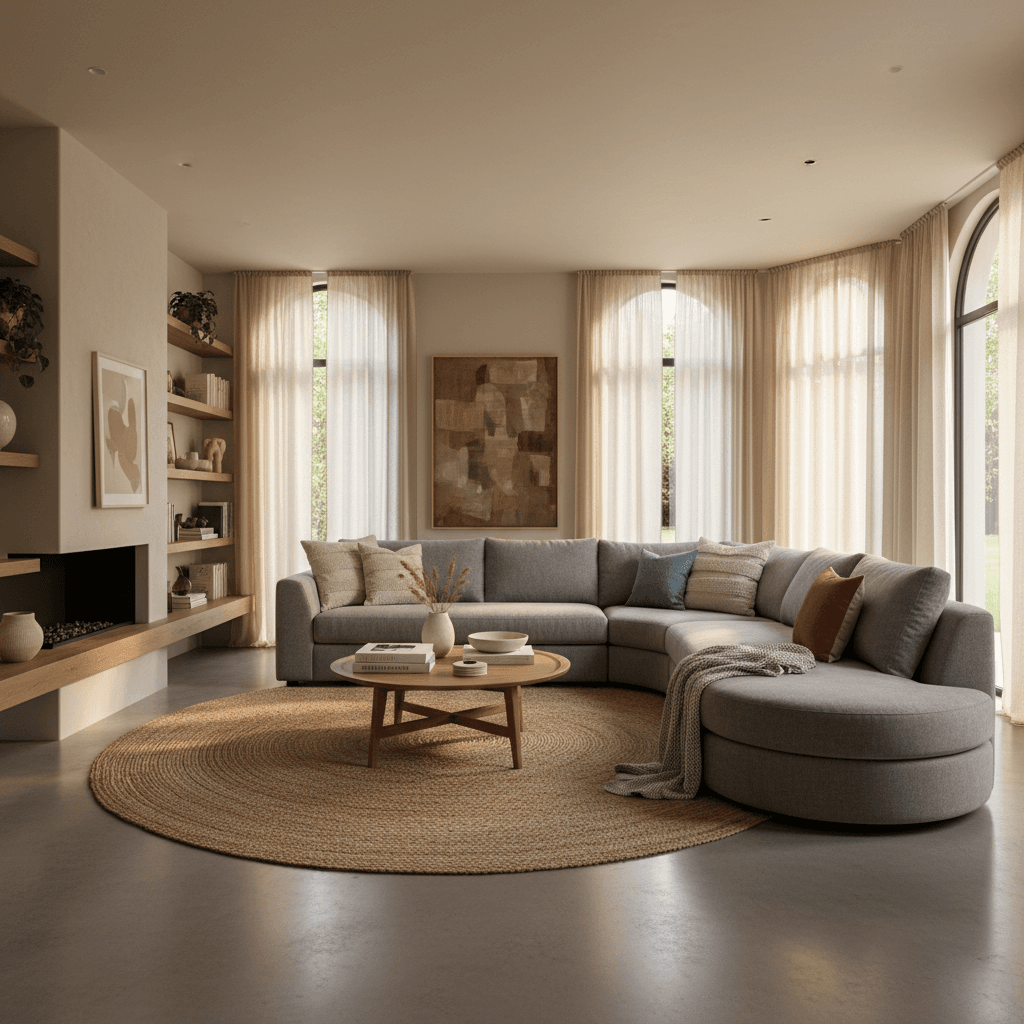
- Round/Oval: These shapes are fantastic for softening a room full of hard angles (think a square-arm sofa or sharp-edged bookcases). They're also a smart choice for homes with young children or pets, as there are no sharp corners to worry about. Round tables are excellent for U-shaped sectionals or seating arrangements that encourage conversation, as they allow everyone to reach the center easily. Just make sure it’s large enough to serve everyone in the seating group.
- Square: A square coffee table can work well with L-shaped sectionals, fitting snugly into the corner created by the two sofa sections. However, they can sometimes feel a bit bulky in smaller rooms or with traditional sofa-and-two-chairs setups. If you opt for square, ensure it's not overpowering the space.
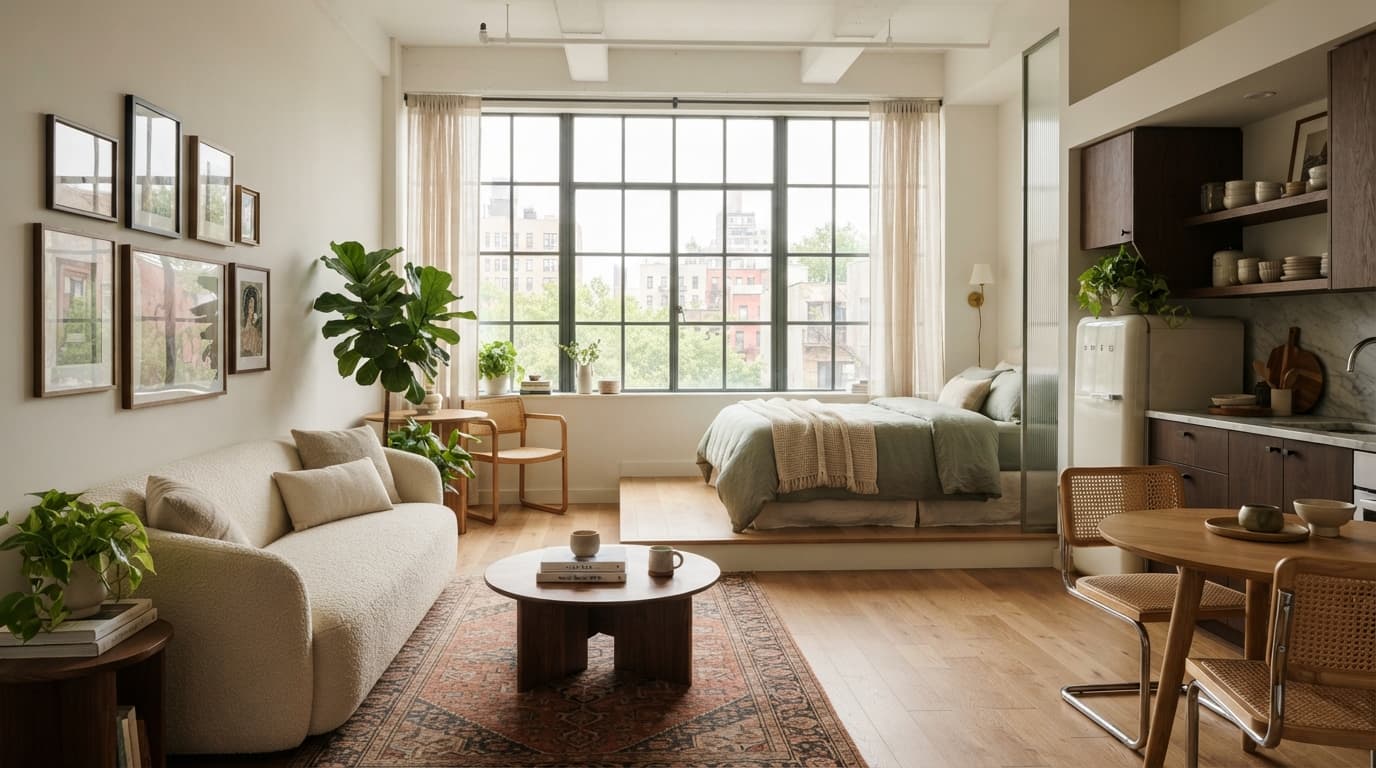
- Nesting/Modular: For ultimate flexibility, especially in smaller living rooms or if you need occasional extra surface area, nesting tables are brilliant. They provide varying heights and can be pulled apart when you have guests and tucked away when you don't. I often recommend these for city apartments where space is at a premium and versatility is key. Think a main table with two smaller, tuck-under pieces.
Material Matters: Durability, Style, and Maintenance
The material you choose for your coffee table affects not only its look but also its longevity and how much effort you'll put into keeping it pristine.
- Wood (Solid & Veneer):
- Pros: Warm, classic, incredibly versatile, comes in countless finishes (light oak for Scandinavian, dark walnut for Mid-Century Modern, reclaimed for Farmhouse). It's generally durable and ages beautifully.
- Cons: Can scratch and dent if not solid hardwood. Water rings are a real threat without coasters. Solid wood is heavier and more expensive. Veneer can chip if mishandled.
- My Take: A solid wood coffee table, especially in a beautiful oak or walnut, is always a good investment. It brings a grounding, organic feel to a room. Just be diligent with coasters and wipe up spills promptly. I particularly love the rich tones of a mid-century modern walnut piece paired with a lighter sofa.
- Metal (Brass, Steel, Iron):
- Pros: Sleek, modern, industrial, very durable. Steel and iron offer a more robust, sometimes industrial edge, while brass or polished chrome adds a touch of glamour.
- Cons: Can be cold to the touch. Fingerprints and smudges are common on polished finishes. Some metals can show scratches easily. Can sometimes feel a bit less "cozy."
- My Take: I adore a slim, black metal coffee table for a contemporary space or a sculptural brass piece to add a refined touch. Just know that you'll be wiping it down regularly, especially if it’s a high-gloss finish.
- Glass/Acrylic:
- Pros: Visually light and airy, making small spaces feel larger and less cluttered. It lets light pass through, contributing to an open feel. Very modern.
- Cons: Shows every fingerprint, dust speck, and smudge. Can feel less "substantial" in a large room. Edges can be sharp, and glass is breakable (a definite consideration with kids or clumsy pets).
- My Take: If you have a beautiful rug you want to show off, or your living room is on the smaller side, a glass or acrylic table is a fantastic choice. Just be prepared for regular cleaning. And maybe skip it if you have a toddler prone to throwing toys.
- Stone (Marble, Travertine, Quartz):
- Pros: Luxuriously weighty, unique natural patterns, incredibly chic. Marble is classic, while travertine offers a softer, more earthy texture.
- Cons: Heavy (difficult to move!), porous (marble and travertine will stain easily without proper sealing), can chip or scratch. Expensive.
- My Take: A travertine coffee table is having a moment right now, and for good reason—it adds an incredible textural element. If you go this route, invest in sealing and be meticulous about coasters. It’s a statement piece, no doubt, but requires a bit more TLC.
- Upholstered (Ottoman):
- Pros: Soft, comfortable, doubles as a footrest or extra seating. Great for creating a relaxed, inviting vibe. Can add texture and pattern.
- Cons: Requires a tray for drinks or anything stable. Can stain easily depending on fabric (bouclé looks incredible but it's a nightmare if you have pets or clumsy guests).
- My Take: I love an oversized upholstered ottoman as a coffee table, especially in a family room or a cozy, bohemian-inspired space. Just be honest with yourself about your lifestyle. If you're a red wine on the sofa person, perhaps choose a performance fabric or a different material entirely. A great solution is an ottoman with a large, sturdy tray.
Functionality First: What Do You Need It To Do?
Beyond looking good, what does your coffee table need to do for you?
- Storage: Do you have a collection of remotes, magazines, or kids' toys you want to hide away? Look for tables with integrated drawers, lift-top mechanisms, or open shelves. A lift-top table can even serve as a casual dining or work surface, which is a game-changer for smaller apartments.
- Display: If you’re a minimalist or love to curate beautiful objects, a simple, open table allows your decor to shine. A glass top is great for showcasing a beautiful rug underneath, or a lower shelf can house a stack of design books without cluttering the top.
- Footrest: An upholstered ottoman clearly wins here. It's the ultimate in relaxation, offering a soft spot to prop up your feet after a long day.
- Work Surface: For those who occasionally work from the sofa, a lift-top table provides an ergonomic solution, bringing your laptop closer to you.
- Entertaining: If you frequently host, a larger, more robust table with plenty of surface area is essential for serving snacks and drinks. Consider how many people you typically entertain and ensure the table can accommodate everyone's needs.
Style Spotlight: Matching Your Coffee Table to Your Vibe
Your coffee table needs to speak the same design language as the rest of your living room.
- Modern/Minimalist: Think clean lines, often low-profile. Materials like glass, polished concrete, white oak, or black metal are key. Look for geometric shapes and an absence of fussy details. A simple slab of marble on a thin metal frame is quintessential modern.
- Mid-Century Modern: Warm wood tones (walnut is king!), tapered legs, organic curves, and often a mix of materials like wood and brass. Think iconic designers for inspiration. A low, kidney-bean-shaped table or a classic rectangular piece with clean, sculptural lines. Find more inspiration with a mid-century modern design.
- Bohemian: Reclaimed wood, rattan, woven textures, carved details, or even a large, floor-cushion-style ottoman. The look is relaxed, eclectic, and often globally inspired. It's less about perfect symmetry and more about gathered pieces with personality.
- Farmhouse: Distressed wood, sometimes with black metal accents. Often chunky and substantial, conveying a sense of rustic charm and durability. Think a reclaimed wood plank top with industrial-style legs.
- Eclectic: This is where you can have fun! Mix a vintage industrial metal base with a raw wood top, or pair a sleek glass table with a plush, patterned rug. The key here is intentional contrast and a cohesive color palette to tie disparate elements together.
Decorating Your Coffee Table: The Art of the Vignette
Once you’ve chosen the perfect coffee table, it’s time to style it. The goal isn’t to cover every inch but to create a curated display that adds interest without feeling cluttered.
- Start with a Tray: A beautiful tray, whether wood, metal, or woven, is your best friend. It grounds your display and keeps smaller items contained, making the table feel organized even with several pieces on it. Plus, it makes it easy to move things aside when you need the whole surface.
- Add Stacks of Books: Oversized art books or design books (with aesthetically pleasing covers, please!) are essential. Stack 2-3 together on your tray or directly on the table. They add height, texture, and a touch of personality.
- Incorporate Greenery or Flora: A small potted plant (like a trailing Pothos or a sculptural succulent) or a simple vase with fresh flowers brings life and color to the arrangement. Even a single, sculptural branch can make a statement.
- Introduce Decorative Objects: This is where you inject personality. Think a unique sculpture, a beautiful scented candle, a decorative bowl, or a small collection of meaningful objects. Vary heights and textures.
- The Rule of Three (or Five): Group items in odd numbers. It’s a classic design trick that creates a more visually appealing and balanced arrangement.
- Consider Scale: Ensure your objects aren’t too small they get lost, or so large they overpower the table. Everything should feel proportionate.
The trick is to leave some negative space. Your coffee table isn’t a storage unit; it’s a stage. And remember, decorating is never truly "done." You can always swap items out seasonally or as your tastes evolve.
Common Coffee Table Mistakes to Avoid (and How to Fix Them)
- Too Small: This is the most common sin. A tiny table with a giant sofa looks ridiculous. Fix: Re-measure your sofa and aim for a table that's two-thirds its length. If you can't find one large enough, consider two identical smaller tables placed side-by-side.
- Wrong Height: A table that's too high or too low makes using it uncomfortable. Fix: Check your sofa seat height (usually 17-19 inches) and aim for a coffee table within 1-2 inches of that measurement.
- Over-Decorating: Too many tchotchkes make a table look messy, not styled. Fix: Less is more. Use the tray method to group items, embrace negative space, and only display items you genuinely love.
- Ignoring Traffic Flow: You shouldn't have to shimmy sideways to get past your coffee table. Fix: Ensure at least 15-18 inches from the sofa and 24-30 inches from other furniture. If your room is truly tiny, consider a wall-mounted shelf or a very narrow console instead of a traditional coffee table. (For more small space wisdom, dive into Best Furniture for Small Apartments: Maximize Your Tiny Space).
Choosing a coffee table might seem daunting with all these considerations, but by approaching it systematically—starting with the practical dimensions and then moving to style and function—you'll end up with a piece that perfectly serves your needs and looks fantastic doing it.
Bringing Your Vision to Life with Roomellow
Visualizing how different coffee table ideas will look in your living room can be incredibly difficult. That's where Roomellow comes in. Upload a photo of your current living room, and our AI design tool will generate realistic redesigns, complete with real, purchasable furniture from various furniture stores. You can experiment with different shapes, materials, and styles of coffee tables, seeing exactly how they fit your sofa and overall aesthetic before you commit. It takes the guesswork out of the process, ensuring you make a confident decision. If you want to explore how our tool can help transform your space, you can [/how-to-redesign-your-room-with-ai] for a deeper dive into the process.
Ready to redesign your room?
Upload a photo of your room and get a professional AI redesign with real furniture you can buy. Free to try — no credit card required.
Try Roomellow free