AI Room Design for Furniture Retailers: Turn Browsers Into Buyers
Most furniture shoppers leave because they can't picture the piece in their own room. Here's how AI room design fixes that on your storefront — and why the tool you pick determines whether the sale stays with you or goes to a dupe.
By Roomellow Team
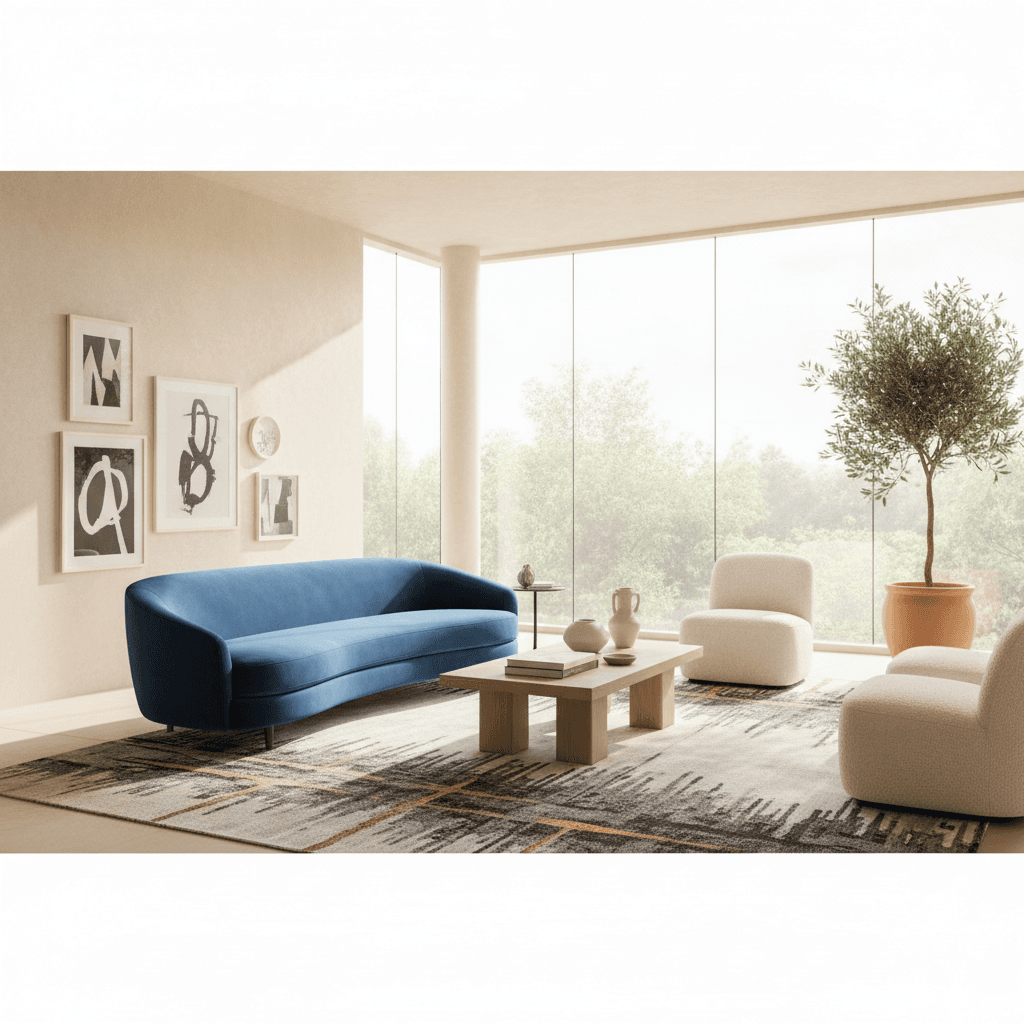
If you sell furniture online, you already know the pattern. Someone lands on a $2,400 sectional, reads the dimensions three times, zooms into the fabric, adds it to the cart — and then leaves. They don't come back. It's rarely about price or shipping. It's that they can't picture it in their own living room, and a sectional is too expensive to guess on.
That gap between "I like this" and "I'm confident enough to buy this" is where most furniture ecommerce revenue quietly disappears. AI room design closes it — but only if you pick the right kind of tool. This guide is for store owners weighing whether to add it, and what to watch for.
The real problem: purchase confidence, not traffic
Furniture has two structural ecommerce problems that smaller categories don't:
- High consideration, low confidence. A sofa is a months-long, high-stakes decision. Product photos on a white background don't answer the question the buyer is actually asking: what does this look like in my room, with my walls, my light, my other furniture?
- Returns are brutal. When customers do buy on a guess, a meaningful share send it back — and furniture returns are among the most expensive in retail to process. Every "it didn't look right in the room" return is margin you already spent to win.
You can pour more ad spend into the top of the funnel, but if the bottom leaks on confidence, you're just paying to fill a bucket with a hole in it. The fix is helping the customer see it before they commit.
Why "see it in my room" converts
When a shopper can view your actual product composed into a photo of their actual room, two things happen: hesitation drops, and the items they do buy are ones they're far less likely to return because they've already seen them in context. It's the same instinct that made in-store showrooms work — you stop imagining and start deciding — except it happens on your product page, at 11pm, on a phone.
This is no longer hard to offer. The technology to render real products into a customer's real room photo in seconds is mature. The question for a retailer isn't whether to add it — it's which tool, because they are not all built to help you.
The catch: not every AI design tool is on your side
Here's the part most "AI interior design" roundups skip. A growing number of consumer AI tools redesign a room and then make it "shoppable" by matching the furniture to similar-looking products from wherever — frequently cheaper lookalikes on Amazon. Some even market this "dupe-finding" as a feature.
Think about what that means if such a tool is sitting between you and your customer. It uses a render to get them excited, then routes them to a cheaper near-copy somewhere else. The render borrowed your category; the sale went to a marketplace. For a retailer, a tool that helps customers find dupes isn't a growth tool — it's a leak.
So the evaluation question isn't just "does it show real furniture?" It's: does it show my furniture, and does the buy button point back to my store?
What Roomellow does differently
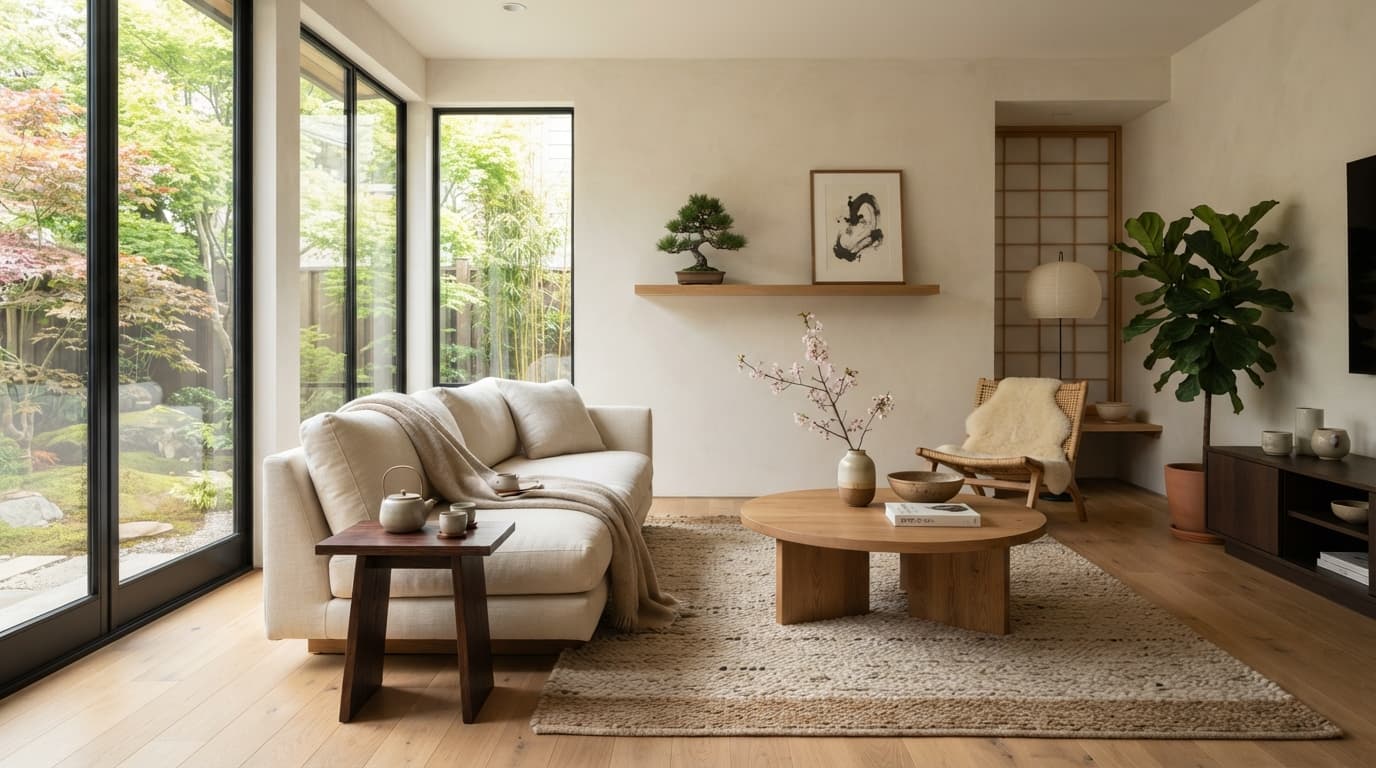
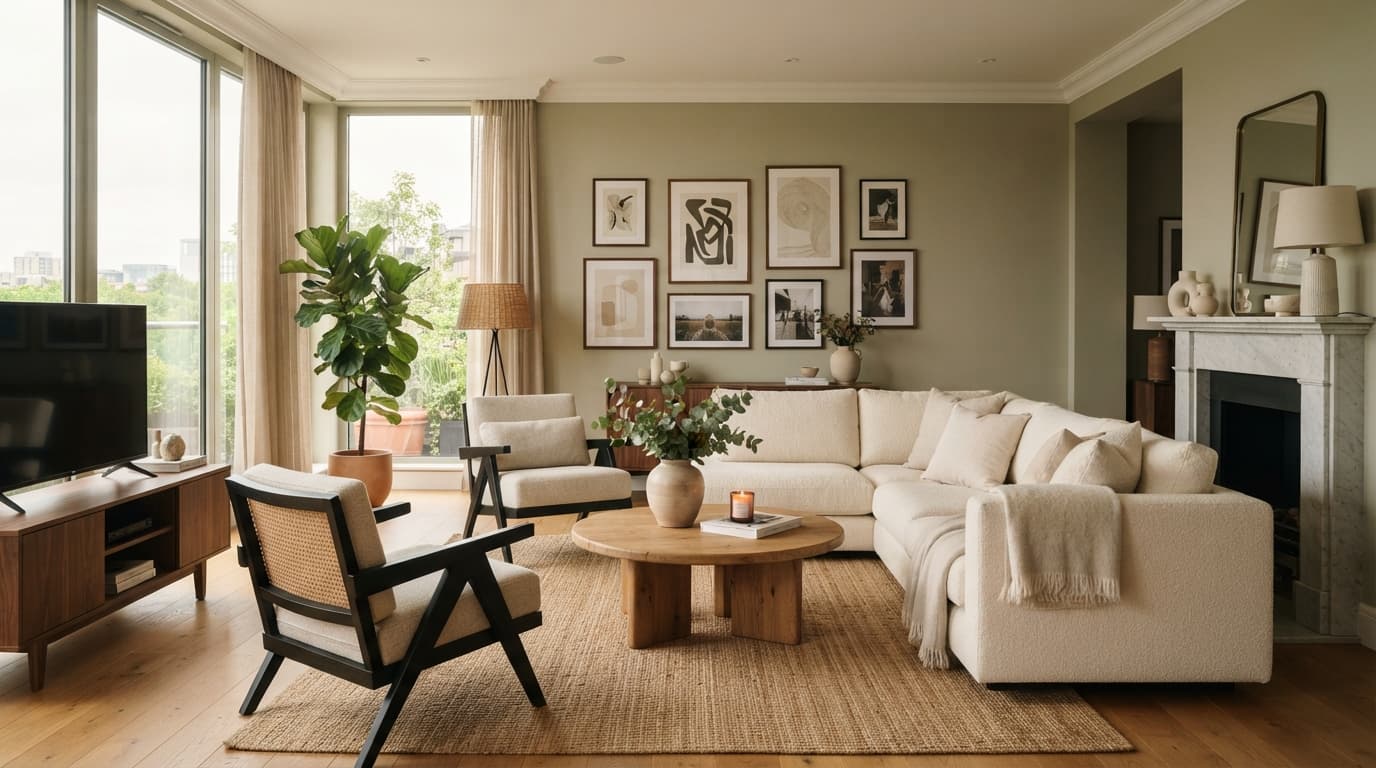
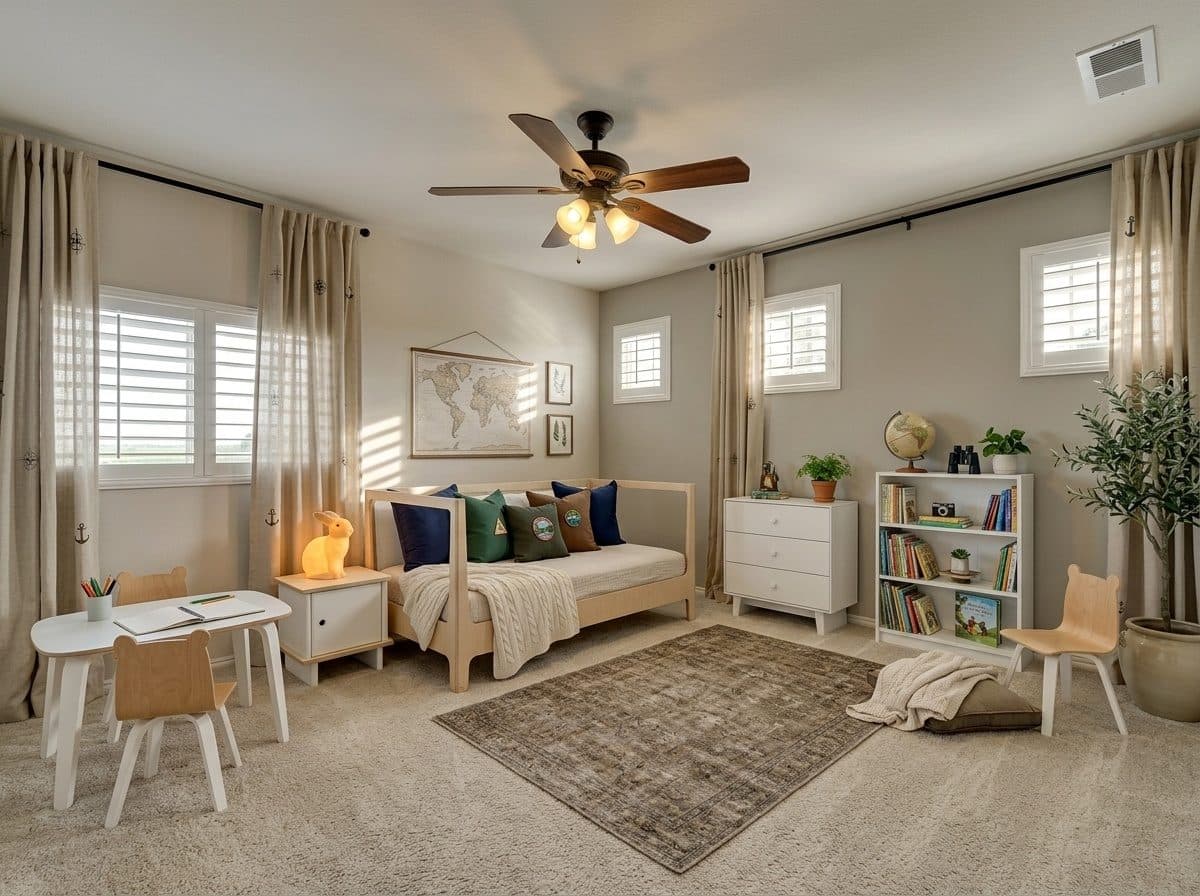
Roomellow runs as a layer on top of your catalog. It pulls your real products, lets your customer upload a photo of their room, and renders the room with your furniture in it — your exact products, at your prices, under your branding. When they tap a piece, they go to your product page, not a marketplace lookalike.
The reason it works: rather than generating an imaginary room and then hunting for products that resemble it, Roomellow selects real items from your catalog first and composes the room around those exact pieces. The result is that everything in the render is genuinely yours and genuinely purchasable — there's no "similar item" step where the customer can wander off. (If you want the deeper contrast between that and the lookalike approach, we wrote it up in the MeltFlex comparison.)
How it works for your store
The lift on your side is intentionally small:
- Works with your existing catalog. If you're on Shopify, onboarding is typically same-day with nothing to install. Not on Shopify? We support custom catalog integrations too — the experience for your customers is identical either way.
- Branded to you. Your customers get a branded experience that shows only your products, so it feels like part of your store, not a third-party detour.
- No customer friction. They upload a room photo, pick a style, and see your products in their space in under a minute — on any device with a browser.
- You keep the sale. Every buy link goes to your store. Roomellow doesn't insert affiliate links or route shoppers elsewhere.
You can see live examples on the stores we work with, and the full breakdown of plans and how onboarding works is on the retailers page.
What you actually get
In plain terms: a showroom-grade "see it in your room" experience on your storefront, pointed entirely at your own catalog. The goal is more of the confidence that closes high-consideration furniture sales, fewer "it didn't look right" returns, and a reason for shoppers to engage with your products instead of bouncing to compare. It's the in-store moment — oh, that actually works in my space — delivered on the product page where the decision stalls.
Frequently asked questions
Does Roomellow send my customers to other retailers or Amazon? No. Roomellow renders your catalog and links back to your store. It does not use affiliate links or suggest "similar" products from elsewhere — the entire point is that the sale stays with you. That's the core difference from lookalike-matching tools.
Do I have to be on Shopify? No. Shopify stores onboard fastest (often same-day, nothing to install), but we support non-Shopify catalogs through a custom integration. The customer-facing experience is the same.
What do my customers have to do? Upload a photo of their room and pick a style. They get a redesigned version of their space with your products in it in under a minute, then can tap any piece to buy it from you.
Is the furniture in the render actually my product, or a lookalike? Your actual product. Roomellow selects real products from your catalog first and composes the room around them, so what the customer sees is exactly what they can buy from you — not an approximation.
How long does it take to get set up? For Shopify stores, typically under a day. See the retailers page for current plans and onboarding details.
The bottom line
Furniture sells when the customer can stop imagining and start deciding. AI room design delivers that moment on your product page — but the tool you choose decides who gets the sale at the end of it. A lookalike tool turns your render into a referral to a cheaper copy. Roomellow turns it into a checkout on your own store.
If you run a furniture store and want to see what that looks like on your catalog, take a look at the stores we work with or read how it works for retailers.