The Best MeltFlex Alternative in 2026 (Real Furniture, Not Lookalikes)
MeltFlex redesigns your room, then matches the result to similar-looking products — often budget dupes. Here's the alternative that puts the exact, purchasable furniture in the render, and how the two approaches really differ.
By Roomellow Team
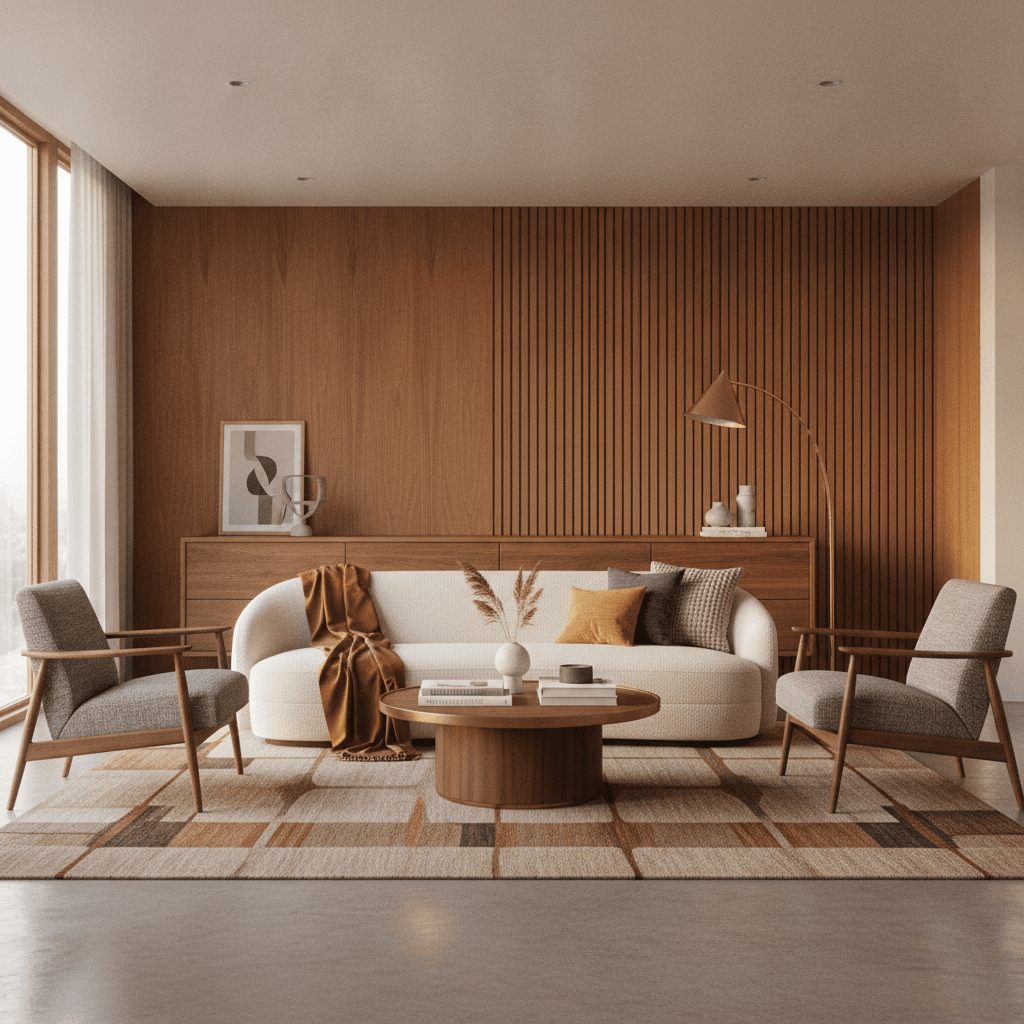
MeltFlex AI is one of the newer entries in AI interior design, and it's a capable one. Upload a room photo, pick a style, and it redesigns the space — then it tries to find furniture you can actually buy to match the result. It also does things most room-redesign tools don't: turning floor plans into 3D models, redesigning exteriors and gardens, and staging rooms for real-estate listings.
So if you're searching for a "MeltFlex alternative," it's worth being specific about why. For a lot of people, the reason comes down to one thing: when you go to buy the furniture in the render, you want it to be the exact product you're looking at — not something that looks roughly like it.
That distinction is the whole reason this comparison exists. Let's break down how the two tools actually work, where each one wins, and which to pick.
The core difference: lookalike matching vs. the real product
This is subtle but it's the thing that matters most, so it's worth getting right.
MeltFlex generates first, then matches. The AI creates a redesigned image of your room with furniture it invented, then runs detection on its own output and searches retailer catalogs for products that look similar. MeltFlex is candid about this in its own marketing — it promotes a "dupes" method for finding cheaper Amazon lookalikes of pricier pieces, and describes results in terms of how many items were detected and how many matches were relevant. It's a genuinely clever approach, and when it lands, you get a shoppable room. But by design, the furniture in the picture and the furniture in the buy link are two different things that happen to resemble each other.
Roomellow picks real products first, then builds the room around them. Before generating anything, Roomellow selects actual in-stock products from a real store's catalog, then composes your room using those exact items as the reference. The sofa in the render isn't a generated approximation that gets matched later — it is the Maiden Home sofa, rendered into your space. When you tap it, you buy that exact product at the retailer's price.
The short version: MeltFlex shows you a beautiful room and then finds furniture like it. Roomellow shows you real furniture, arranged in your room. If you've ever gotten a great-looking AI render and then discovered the "matching" product was only sort of close, that's the gap Roomellow is built to close.
Where MeltFlex genuinely wins
Being fair, because it matters for picking the right tool:
- Feature breadth. MeltFlex isn't only a room-redesign tool. Floor plan → 3D conversion, exterior and garden redesigns, real-estate virtual staging, and video walkthroughs all live under one roof. Roomellow is interior-only and focused on furnishing rooms with real products.
- Rearranging furniture you already own. MeltFlex's "Layout Boost" keeps your existing pieces and reshuffles them for better flow, with nothing to buy. Roomellow has no rearrange-only mode — it's built for redesigning your room with new, real products you can buy. Genuinely different jobs: Layout Boost is for when you're not shopping; Roomellow is for when you are.
- Floor plans, exteriors, and renovations. If you're mapping out a floor plan or visualizing a facade or backyard, MeltFlex covers ground Roomellow simply doesn't.
- Mass-retailer breadth. MeltFlex pulls from giants like IKEA, Amazon, Wayfair, Pottery Barn, and Ashley, so it leans toward big-box and budget options, including those Amazon dupes.
If your project is "model my whole house and its exterior," MeltFlex is the broader tool. No contest.
Where Roomellow is different
Roomellow is narrower on purpose, and the focus buys three things:
- Every item is the real product. No lookalike step. The product in the render is the product you buy — a guarantee that's only possible because the catalog is selected before the image is generated, not matched after.
- A curated, design-forward catalog. Roomellow's catalog is 40,000+ products across 27 supported stores — DTC and boutique brands like Floyd, Maiden Home, The Citizenry, Joybird, Inside Weather, and Lulu and Georgia, plus local stores. It skews toward pieces people actually want in their homes rather than the cheapest Amazon match.
- It keeps the sale with the store. When you buy, you go to the retailer's own product page at their price. Roomellow doesn't route you to a cheaper dupe — which, if you're a furniture retailer, is a meaningful difference (more on that below).
MeltFlex vs. Roomellow at a glance
| Roomellow | MeltFlex | |
|---|---|---|
| Redesign your actual room photo | ✓ | ✓ |
| What you can buy | Every item in the design is the exact product you can buy — not a lookalike | Similar-looking products matched after the design is made |
| Catalog | Curated, design-forward brands at every price point — 40,000+ real products across 27 stores | Generic mass-retailer listings (Amazon, Wayfair, etc.), oriented toward cheaper lookalikes |
| Scope | Focused on interior room redesign | Also does floor plans, exteriors, and real-estate staging |
| Pricing model | Free tier + one-time credit packs (no subscription) | Subscription (monthly/yearly; weekly on iOS) |
| Sends shoppers to | The retailer's own store, at their price | Matched lookalike products, often budget dupes |
| Best for | Designing a room you can actually buy, with real products across every budget | Broad projects beyond one room (floor plans, exteriors), plus cheaper lookalike dupes |
The "dupe" question, honestly
There's nothing wrong with wanting a cheaper version of an expensive piece — dupe-hunting is a legitimate way to shop, and MeltFlex leans into it. But it's worth knowing which mode you're in.
If you're trying to furnish a room you'll live in for years and want to see the actual pieces — this specific sofa, that specific rug — composed into your actual space before you commit, lookalike matching works against you. "Looks 85% like the render" isn't the same as "is the thing in the render." Roomellow removes that uncertainty by making the real product the starting point.
If you're price-shopping and a close-enough match at a lower price is exactly what you want, MeltFlex's approach is a feature, not a bug.
Pricing: subscription vs. pay-as-you-go
A practical difference that's easy to miss:
- MeltFlex is subscription-based — monthly or yearly tiers, with a weekly option in the iOS app. The free tier watermarks your designs.
- Roomellow has a free tier (no card) and then one-time credit packs starting at $4.99 — no recurring subscription. You buy renders when you need them and stop when you're done.
If you redesign in bursts (you're decorating one room, not running an agency), pay-as-you-go usually costs less than a monthly plan you forget to cancel.
Which should you pick?
- You want the furniture in the render to be the exact, purchasable product — from design-forward stores: Roomellow. Try it free at roomellow.com or on the iPhone and Android app.
- You're modeling a whole house, a floor plan, or an exterior: MeltFlex covers those use cases.
- You're hunting for the cheapest lookalike of a pricey piece: MeltFlex's dupe-matching is built for that.
- You want to compare the whole field first: see our roundup of the best AI room design tools.
Both tools start the same way — a photo of your room — and both can hand you a shoppable result. The difference is whether "shoppable" means the real thing or something like it. For furnishing a real room, that's the call worth making deliberately.
For furniture retailers reading this
One note if you run a furniture store rather than shop at one.
A tool that redesigns a customer's room and then points them to a cheaper Amazon lookalike is, from your side of the counter, a tool that helps customers leave. The render uses your style; the sale goes to someone else.
Roomellow works the opposite way. It runs on top of your catalog — pulling your real products via your store's public API — and renders your customers' rooms with your furniture. They buy from you, at your prices, with your branding. Same "see it in my room before I buy" magic, except the sale stays with you. If that's useful for your storefront, see the stores we support or read how it works for retailers. Most onboardings take under a day.