Coastal Interior Design: Transform Any Room into a Sanctuary
Transform your home with tranquil coastal interior design ideas. Discover how to create a serene, beach-inspired sanctuary in any room. Start designing today!
By Roomellow Team
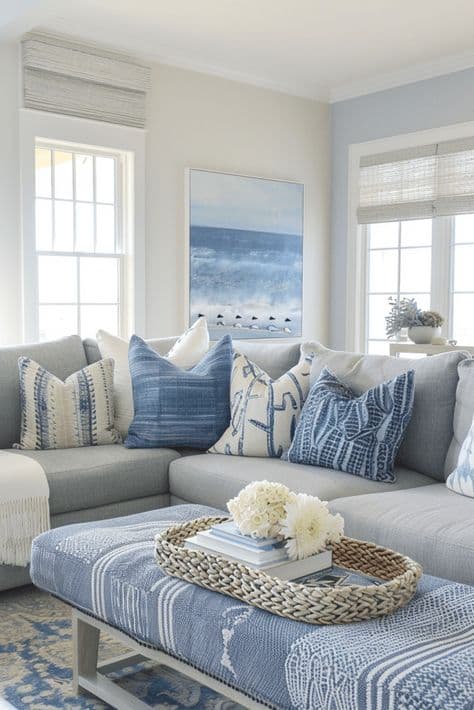
Imagine stepping into a space where the air feels lighter, the colors are soothing, and a sense of calm washes over you – even if you're miles from the nearest ocean. That's the magic of coastal interior design. It's more than just a style; it's a feeling, a permanent vacation vibe infused into your everyday living. Far from being overly themed or cluttered with seashells, modern coastal design embraces natural light, organic textures, and a serene color palette to create an effortlessly chic and inviting atmosphere. Whether you dream of a breezy Hamptons-inspired home or a laid-back beach cottage aesthetic, this guide will walk you through transforming any room into a refreshing coastal sanctuary.
What is Coastal Interior Design?
Coastal interior design is an aesthetic inspired by the seaside, focusing on tranquility, natural elements, and a relaxed ambiance. Unlike its more direct relative, "nautical" design, which often features anchors, ropes, and deep blues, coastal design is softer, brighter, and more sophisticated. It draws inspiration from the light, airy feeling of a beach house rather than a ship. Think sun-bleached driftwood, soft sands, and the gentle lapping of waves, translated into an interior palette.
The core principle is to bring the outside in – specifically, the natural beauty of the coast. This means an emphasis on natural light, reflective surfaces, and materials that evoke the tactile experience of a beach environment. It’s about creating a refuge that feels open, uncluttered, and perpetually fresh, making it a perfect choice for those looking to escape the hustle and bustle of daily life within their own four walls.
Key Elements of Coastal Interior Design
Achieving a cohesive coastal look requires attention to several key design elements. It's about balance and subtlety, not overt themes.
Color Palette: The Hues of the Shoreline
The foundation of any coastal design is its color palette. These shades evoke the sea, sand, and sky, creating a naturally soothing environment.
- Whites and Creams: These are your base. Think bright whites for walls and trim, off-whites for larger furniture pieces, and creamy ivories for textiles. They maximize natural light and create a fresh, expansive feel.
- Blues: From pale sky blue to deep navy, blues are essential. Use soft aqua or seafoam green for accents, deeper blues for throw pillows or a statement armchair, or even a subtle blue tint on a wall to mimic the ocean.
- Greens: Sage green, seafoam, or even a muted olive can echo seagrass and coastal flora, adding a natural, earthy touch.
- Neutrals: Sandy beiges, light grays, and natural wood tones ground the palette, preventing it from feeling too stark or cold. These are perfect for flooring, larger furniture items, and woven textures.
Natural Materials: Texture is Key
Texture plays a crucial role in coastal design, adding depth and interest without relying on bold patterns or heavy colors.
- Light Woods: Whitewashed oak, pale pine, or bleached teak for furniture, flooring, or decorative accents immediately bring in a beachy feel. Avoid dark, heavy woods.
- Wicker and Rattan: These woven materials are quintessential coastal. Think rattan chairs, wicker storage baskets, or a decorative tray. They add a natural, relaxed texture.
- Linen and Cotton: For upholstery, curtains, and bedding, choose breathable, natural fabrics like linen and cotton. Their slightly crinkled, relaxed look is perfect.
- Jute and Sisal: Area rugs made from jute or sisal provide a fantastic natural texture underfoot, durable and visually appealing.
- Seagrass: Baskets, placemats, or even wallpaper made from seagrass add an organic, tactile element.
Furniture Choices: Comfort and Simplicity
Coastal furniture prioritizes comfort, practicality, and a relaxed aesthetic.
- Slipcovered Sofas and Chairs: These are a hallmark of coastal style. Easy to clean, inviting, and inherently casual. Opt for white, cream, or light blue linen or cotton slipcovers. A generously sized sectional can anchor a living room, providing ample seating.
- Light-Toned Wood Pieces: Coffee tables, side tables, and dressers in distressed white, light gray, or natural wood finishes.
- Woven Accents: Rattan armchairs, a wicker ottoman, or a jute-wrapped console table add specific coastal character.
- Minimalist Forms: While not strictly minimalist, coastal furniture often features clean lines and an uncluttered appearance, allowing the natural materials and textures to shine. For advice on selecting larger pieces, check out our guide on how to choose the right sofa for your living room.
Lighting: Embracing Natural Glow
Natural light is paramount in coastal design. Maximize it with sheer curtains or no window treatments at all where privacy allows.
- Open Windows: Keep windows as unobstructed as possible.
- Layered Lighting: Supplement natural light with thoughtful artificial sources.
- Pendant Lights: Woven rattan or glass globe pendants can be beautiful statement pieces.
- Table Lamps: Lamps with ceramic bases in coastal colors or natural wood, topped with linen shades.
- Floor Lamps: Simple, slender metal or wood floor lamps for ambient light.
- Reflective Surfaces: Mirrors with simple frames or glass tabletops can help bounce light around the room, making it feel brighter and more spacious.
Decor and Accessories: Subtle Coastal Nods
This is where many go wrong by overdoing it. Think subtle hints, not a souvenir shop.
- Art: Abstract art in blues and greens, ocean photography, or simple line drawings of coastal motifs. Avoid overly kitschy depictions of shells or lighthouses.
- Textiles: Throw pillows and blankets in linen, cotton, or chunky knits. Subtle stripes, muted patterns, or solid textures are ideal.
- Natural Elements: A bowl of polished shells, a piece of artfully arranged driftwood, or a collection of sea glass can add authentic charm.
- Greenery: Live plants like palms, ferns, or succulents bring life and a touch of the outdoors in.
- Baskets: Woven baskets are perfect for stylish storage, keeping the space uncluttered.
Coastal Interior Design Ideas for Any Room
Let's break down how to apply these elements to specific areas of your home.
Living Room: The Heart of Coastal Comfort
Your living room is where relaxation should truly begin. Focus on creating an inviting, open, and comfortable space.
- Seating: A large, light-colored slipcovered sofa or sectional is a must. Pair it with a couple of rattan armchairs or upholstered accent chairs in a complementary blue or green. For smaller spaces, consider our tips for how to design a small living room.
- Coffee Table: A natural wood coffee table, perhaps with a distressed finish, or even a large upholstered ottoman in a neutral tone.
- Rugs: A large jute or sisal rug grounds the space. Layer with a softer, patterned rug if desired, but keep patterns subtle.
- Lighting: Plenty of natural light, complemented by a floor lamp and a couple of table lamps with ceramic or driftwood bases.
- Decor: Keep surfaces uncluttered. A few carefully chosen decorative items – a bowl of white coral, a stack of ocean-themed coffee table books, or a large piece of coastal abstract art – are sufficient.
Bedroom: A Serene Seaside Retreat
Transform your bedroom into a tranquil haven with coastal touches that promote rest and relaxation.
- Bedding: Crisp white or light blue linen bedding is ideal. Layer with a chunky knit throw in a soft neutral or a delicate stripe.
- Headboard: Consider a wooden headboard in a light finish, a woven rattan headboard, or an upholstered headboard in a natural linen.
- Nightstands: Simple, light wood nightstands or even small rattan side tables.
- Lighting: Soft, ambient lighting from bedside lamps. A ceiling fan with wooden blades can enhance the breezy feel.
- Windows: Sheer white curtains that allow light to filter in gently.
- Storage: Woven baskets for laundry or extra blankets, a light-colored dresser. For more bedroom inspiration, you might explore our guide to bohemian bedroom decor ideas and inspiration for a different take on relaxed styles.
Dining Room: Casual Elegance by the Sea
The dining room should feel inviting for gatherings, yet maintain that relaxed coastal vibe.
- Dining Table: A large, solid wood table in a light or distressed finish is perfect. Avoid overly formal, dark woods.
- Chairs: Mix and match for an eclectic, relaxed look. Woven rattan chairs, slipcovered dining chairs, or simple wooden chairs in a light finish work well.
- Lighting: A statement pendant light over the table, perhaps a large woven fixture or one with glass elements.
- Decor: A simple centerpiece like a vase with fresh greenery, a bowl of fruit, or a single piece of driftwood. A large mirror can open up the space. For an alternative, see our farmhouse dining room decor and furniture guide.
Home Office: Productive Serenity
Even a home office can benefit from coastal design, promoting focus and a calm atmosphere.
- Desk: A simple, light wood desk or one with a white or light gray finish.
- Chair: An ergonomic office chair in a neutral fabric, or a stylish rattan chair if comfort allows.
- Storage: Keep storage practical and discreet. White cabinets or open shelving with woven baskets.
- Decor: Minimalist approach. A small plant, a piece of coastal art, and perhaps a subtle blue desk accessory. For more productivity-focused tips, see home office setup ideas for productivity.
Kitchen and Bathroom: Functional Coastal Flair
These utility spaces can also get a refreshing coastal upgrade.
- Kitchen: White or light-colored cabinetry (shaker style works well). Subway tile backsplash in white or pale blue. Open shelving with glass jars, natural wood accents, and perhaps a jute runner rug.
- Bathroom: White subway or penny tiles, a vanity with a light wood or white finish. Marine-inspired light fixtures, fresh white towels, and a subtle piece of shell or coral art. Glass shower doors maximize light.
Achieving the Look on a Budget: Smart Coastal Swaps
You don't need a beachfront property budget to achieve a beautiful coastal interior. Smart choices and DIY projects can go a long way.
| Item | Splurge Option | Budget-Friendly Swap | Savings Example (approx.) |
|---|---|---|---|
| Sofa | Custom slipcovered sectional ($3,000+) | IKEA Söderhamn with white cover ($700-$1,000) or used sofa with new custom slipcover kit ($300-$500) | $2,000+ |
| Art | Large original seascape painting ($500+) | DIY framed ocean print, digital download, or personal beach photography ($20-$100) | $400+ |
| Rugs | High-end wool or custom jute rug ($300+) | Jute or sisal rug from Target/IKEA/Amazon ($50-$150) | $150+ |
| Decor | Designer coral sculptures, imported shells ($50+) | DIY driftwood art, collected shells, local pottery, thrifted finds ($0-$30) | $20+ per item |
| Furniture | Solid teak coffee table ($800+) | Upcycled flea market find, painted white or light wood veneer ($50-$200) | $600+ |
| Lighting | Hand-blown glass pendant ($200+) | Woven paper or rattan pendant from Amazon/IKEA ($30-$80) | $120+ |
Thrift stores, flea markets, and online marketplaces are treasure troves for light wood furniture that can be painted, or unique ceramic pieces. DIY projects like collecting and arranging local driftwood, or framing your own beach photography, add a personal touch without breaking the bank. For more general cost-saving strategies, read our guide on interior design on a budget.
Coastal Sub-Styles and Blends
Coastal design isn't a monolith. There are nuanced variations, and it can blend beautifully with other styles.
Coastal Sub-Styles
| Style Name | Key Characteristics | Best For |
|---|---|---|
| Classic/Traditional Coastal (Hamptons) | Sophisticated, refined. Richer blues (navy), crisp whites, high-quality furniture, polished brass accents, often includes darker wood floors. | Formal living rooms, grand dining spaces. |
| Relaxed/Beach House | Casual, laid-back. Lighter blues/greens, distressed furniture, lots of natural textures (linen, jute), slipcovers, weathered wood. | Everyday living spaces, cozy bedrooms. |
| Nautical | More themed, explicit marine references. Red, white, and navy palette. Anchors, ropes, stripes, ship wheels. | Kids' rooms, themed guest rooms, or subtle accents. |
| Mediterranean Coastal | Warm, rustic. Terracotta, deep blues, natural stone, wrought iron, stucco walls, olive trees, rich textures. | Sunrooms, outdoor patios, specific architectural styles. |
Blending Coastal with Other Popular Styles
Coastal design is surprisingly versatile. It can soften and brighten more structured styles or add a refreshing touch to earthy aesthetics.
| Blended Style | How to Achieve It | Example Elements |
|---|---|---|
| Coastal Modern | Combine coastal's light palette and natural materials with the clean lines and functionality of modern design. Focus on minimalist furniture forms, sleek finishes, and abstract coastal art. | White leather sofa, glass coffee table, single large piece of blue abstract art, polished driftwood. |
| Coastal Scandinavian | Both styles emphasize light, simplicity, and natural elements. Blend Scandinavian's hygge comfort and pale wood with coastal's specific color palette and textured fabrics. Think cozy, bright, and uncluttered. | Light oak furniture, sheepskin throws, pale blue walls, white ceramic vases, simple green plants. |
| Coastal Farmhouse | Marry the rustic charm of farmhouse with the fresh, airy feel of coastal. Use shiplap, distressed white furniture, and natural wood, but add coastal colors and lighter, softer fabrics. | Shiplap walls, farmhouse table painted white, slipcovered chairs, blue/green accents, galvanized metal. |
| Coastal Bohemian | Infuse coastal freshness into bohemian's eclectic, global, and layered aesthetic. Use rattan, macrame, and earthy textures but stick to a lighter, more muted coastal color palette. | Woven rattan swing chair, macrame wall hangings, layered rugs (jute + patterned), lots of plants. |
Common Pitfalls to Avoid
While creating a coastal haven is appealing, some common mistakes can derail your design.
- Over-Theming: Don't turn your home into a gift shop. A few thoughtfully placed shells are charming; every surface covered in anchors is overwhelming. Subtlety is key.
- Too Much Blue: While blue is central, an entire room in one shade of blue can feel monotonous. Vary shades, and balance with plenty of white and neutrals.
- Ignoring Texture: Relying solely on color will make the room fall flat. The magic of coastal design is in its varied textures – smooth, rough, woven, soft.
- Dark Furniture: Heavy, dark wood furniture works against the light, airy feel. Stick to lighter woods or painted pieces.
- Clutter: Coastal design thrives on an open, uncluttered feel. Embrace practical storage solutions to maintain serenity.
Visualize Your Coastal Dream with Roomellow
Bringing these ideas to life in your own home can be challenging. How will that rattan chair look with your existing sofa? Will a soft aqua wall paint truly complement your light wood floors? This is where Roomellow comes in. Our interior design platform lets you upload a photo of your room and instantly redesign it with coastal aesthetics.
You can experiment with different color palettes, try out various furniture styles – from slipcovered sofas to woven pendant lights – and see how specific decor items fit your space, all before making a single purchase. Roomellow even suggests real, purchasable furniture from furniture stores, ensuring your vision is achievable. It’s the perfect tool to confidently explore ai interior design tips and create your ideal coastal retreat. Discover how easy it is to redesign your room with AI.
Frequently Asked Questions About Coastal Design
Q: Is coastal design only for homes by the beach?
A: Absolutely not! Coastal design is about creating a feeling of relaxation and openness, which can be achieved anywhere. Its emphasis on natural light, calming colors, and organic textures makes it a universally appealing style, regardless of your geographic location.
Q: What's the difference between coastal and nautical?
A: Coastal is broader, softer, and more sophisticated, focusing on the general ambiance of the beach and ocean (sand, sea, sky). Nautical is a sub-style that is more explicit and themed, often featuring specific marine motifs like anchors, ropes, and a red-white-navy color scheme.
Q: Can I mix coastal elements with another design style?
A: Yes, and it's highly recommended for a more unique and personal look! Coastal blends beautifully with modern, Scandinavian, minimalist, and even farmhouse or bohemian. The key is to pick one dominant style and use coastal elements as complementary accents.
Q: How do I keep a coastal room from looking too cold or stark with all the white?
A: The secret is texture and warmth. Introduce various natural textures like jute, rattan, linen, and chunky knits. Add wood tones, even pale ones, and incorporate warm lighting. Subtle pops of warmer neutrals like sandy beige or muted green can also prevent a stark feel. Live plants also add warmth and life.
Ready to redesign your room?
Upload a photo of your room and get a professional AI redesign with real furniture you can buy. Free to try — no credit card required.
Try Roomellow free