First Apartment Decorating: Essential Ideas & Budget Tips
Moving into your first apartment? Get essential first apartment decorating ideas, budget tips, and planning advice to create a space you'll love. Start decorating today!
By Roomellow Team
Moving into your first apartment is an exciting milestone, a blank canvas where you get to truly express yourself. But let's be honest, it can also feel overwhelming. You're faced with an empty space and a lengthy checklist, often on a budget, wondering where to even begin. The good news? You don't need a professional interior designer or an unlimited budget to create a space that feels comfortable, functional, and uniquely yours. With thoughtful planning and smart choices, your first apartment can quickly transform into a place you genuinely love coming home to. This guide will walk you through the essential steps, from foundational planning to adding those personal touches, ensuring your decorating journey is as smooth and enjoyable as possible.
1. Laying the Foundation: Plan, Measure, and Budget
Before you buy a single item, invest time in planning. This upfront work will save you money, time, and potential headaches down the line.
A. Define Your Needs and Lifestyle
Think about how you'll use each space. Is your living room primarily for relaxing, or will it double as a workspace or dining area? Do you entertain often? Do you need a dedicated reading nook or a significant amount of storage? Your lifestyle dictates your furniture choices and layout.
B. Measure Everything (Seriously, Everything)
This is perhaps the most crucial step. A sofa that looked perfect in the showroom can quickly overwhelm a small living room. Measure:
- Rooms: Length, width, and ceiling height of every room.
- Walls: Note window and door placements, electrical outlets, and radiator locations.
- Doorways and Hallways: This is vital for ensuring furniture can actually get into your apartment. A 30-inch wide doorway means a 32-inch wide sofa won't pass through easily.
- Furniture You Already Own: If bringing existing pieces, know their exact dimensions.
Sketch out a floor plan (even a rough one on graph paper) to visualize furniture placement and traffic flow. This step is where tools like Roomellow really shine. By uploading a photo of your empty room, you can experiment with different layouts and furniture sizes virtually, seeing exactly how pieces will fit before committing to a purchase.
C. Set a Realistic Budget
Your first apartment budget needs to cover more than just decor. Prioritize essentials first, then allocate funds for aesthetics.
First Apartment Budget Breakdown (Estimated Ranges)
| Category | Description | Estimated Cost (Low) | Estimated Cost (High) |
|---|---|---|---|
| Rent & Utilities | First month's rent, security deposit, utility deposits (electricity, gas, internet) | $1,500 | $5,000+ |
| Bedroom Essentials | Mattress, bed frame, basic sheets, pillow, nightstand | $400 | $1,500 |
| Living Room Basics | Small sofa/loveseat, coffee table, lamp | $500 | $2,000 |
| Kitchen Essentials | Basic cookware set, dishes, utensils, mugs, small appliances | $200 | $800 |
| Bathroom Essentials | Shower curtain, towels, basic toiletries, bath mat | $100 | $300 |
| Cleaning Supplies | Broom/vacuum, mop, all-purpose cleaner, trash cans | $50 | $200 |
| Safety & Misc. | First-aid kit, fire extinguisher, basic tools, light bulbs | $75 | $250 |
| Decor & Personalization | Rugs, art, plants, throws, accent pillows (after essentials) | $150 | $1,000+ |
| Contingency | Unexpected expenses | 10% of total | 10% of total |
Note: These are rough estimates and vary significantly by location, quality, and whether you buy new or used.
To stay on budget, consider:
- Prioritizing: Invest in a good mattress and a comfortable sofa. Cheaper alternatives can work for less critical items.
- Secondhand Finds: Check local marketplaces, thrift stores, and estate sales for hidden gems. Just be mindful of condition and cleanliness.
- DIY & Upcycling: A fresh coat of paint or new hardware can transform an old dresser.
- Phased Purchases: You don't need everything on day one. Live in your space for a bit, see what you truly need, then gradually add pieces. For more savvy spending advice, check out our guide on interior design on a budget.
2. Essential Furniture Pieces for Every Room
Once you have your plan and budget, it's time to think about the core pieces that will make your apartment functional. Focus on versatility and scale, especially if you're working with limited square footage.
A. Living Room: The Heart of Your Home
Your living room is where you relax, entertain, and often spend the most waking hours.
- Sofa: For a first apartment, especially a smaller one, consider a loveseat (typically 60-72 inches wide), a small sectional, or a futon/sleeper sofa for dual functionality. Look for slim arms and elevated bases to create a sense of lightness. Our guide on how to choose the right sofa for your living room offers detailed advice.
- Coffee Table: Choose one that complements your sofa's size and allows for comfortable movement. A nesting table set or an ottoman with storage are great space-saving options.
- Accent Chair (Optional): If space allows, a single comfortable accent chair can provide extra seating and visual interest.
- Storage: A small media console, bookshelf, or decorative basket will help keep clutter at bay.
- Rug: A well-placed rug (e.g., a 5x7 or 8x10 for most living areas) can define the space, add warmth, and introduce color/texture.
B. Bedroom: Your Sanctuary
Prioritize comfort and calm in your bedroom.
- Mattress and Bed Frame: Invest in the best mattress you can afford. A simple platform bed often eliminates the need for a box spring, saving money and offering a cleaner look. For small apartments, a bed frame with under-bed storage is invaluable.
- Nightstands: One or two, depending on space, with a lamp for reading. Floating shelves can be a space-saving alternative.
- Dresser or Wardrobe: Essential for clothing storage. Measure your closet space first; you might only need a small dresser if your closet is generous.
- Mirror: A full-length mirror is practical and can make a small room feel larger.
C. Dining Area: Functional Eating Space
Whether it's a dedicated dining room or a nook in your living area, you'll need a place to eat.
- Table and Chairs: For small spaces, consider a round table (easier to navigate around) or a drop-leaf table that can expand or shrink as needed. Two chairs are usually sufficient, with stackable chairs for guests. A bar-height table with stools can also work well, especially if your kitchen has a counter.
- Storage (Optional): A small console table or sideboard can hold dinnerware if space permits.
D. Home Office Nook: Productivity Zone
Even if it's just a corner, having a designated workspace is crucial.
- Desk: A compact writing desk or a floating shelf desk can fit almost anywhere. Consider the depth—you need enough space for your monitor and keyboard (at least 20-24 inches).
- Chair: An ergonomic chair is vital if you'll be spending significant time here. If space is tight, a stylish dining chair can double as an office chair.
- Storage: A few wall shelves or a small filing cabinet can keep your workspace tidy. Dive deeper into optimizing your setup with our home office setup ideas for productivity.
For more detailed strategies on furnishing compact spaces, explore our article on the best furniture for small apartments.
3. Lighting: Illuminating Your Space and Mood
Good lighting can completely transform an apartment. Don't rely solely on overhead fixtures. Layered lighting creates warmth, depth, and functionality.
- Ambient Lighting: General illumination, often from ceiling fixtures or a floor lamp.
- Task Lighting: Focused light for specific activities, like a desk lamp for working or a bedside lamp for reading.
- Accent Lighting: Highlights features, creates mood. Think string lights, picture lights, or small table lamps.
Consider dimmers for versatility, and use warm-toned bulbs (2700K-3000K) for a cozy atmosphere. Mirrors strategically placed opposite windows can also amplify natural light.
4. Personalizing Your Space: Decor & Style
This is where your apartment truly starts to feel like yours. Don't rush this step. Live in your space for a bit to understand its natural light, your routines, and what makes you feel good.
A. Choose a Cohesive Style (or Mix & Match Thoughtfully)
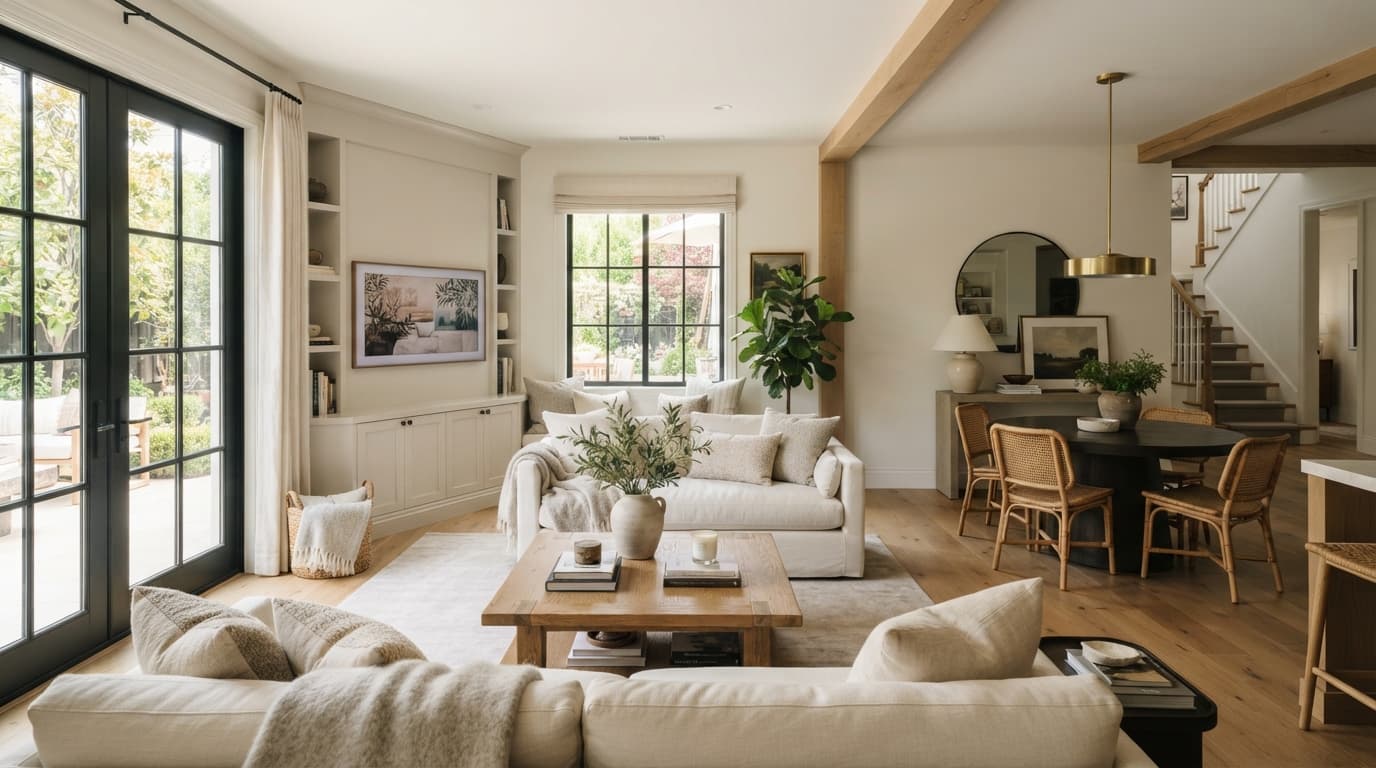
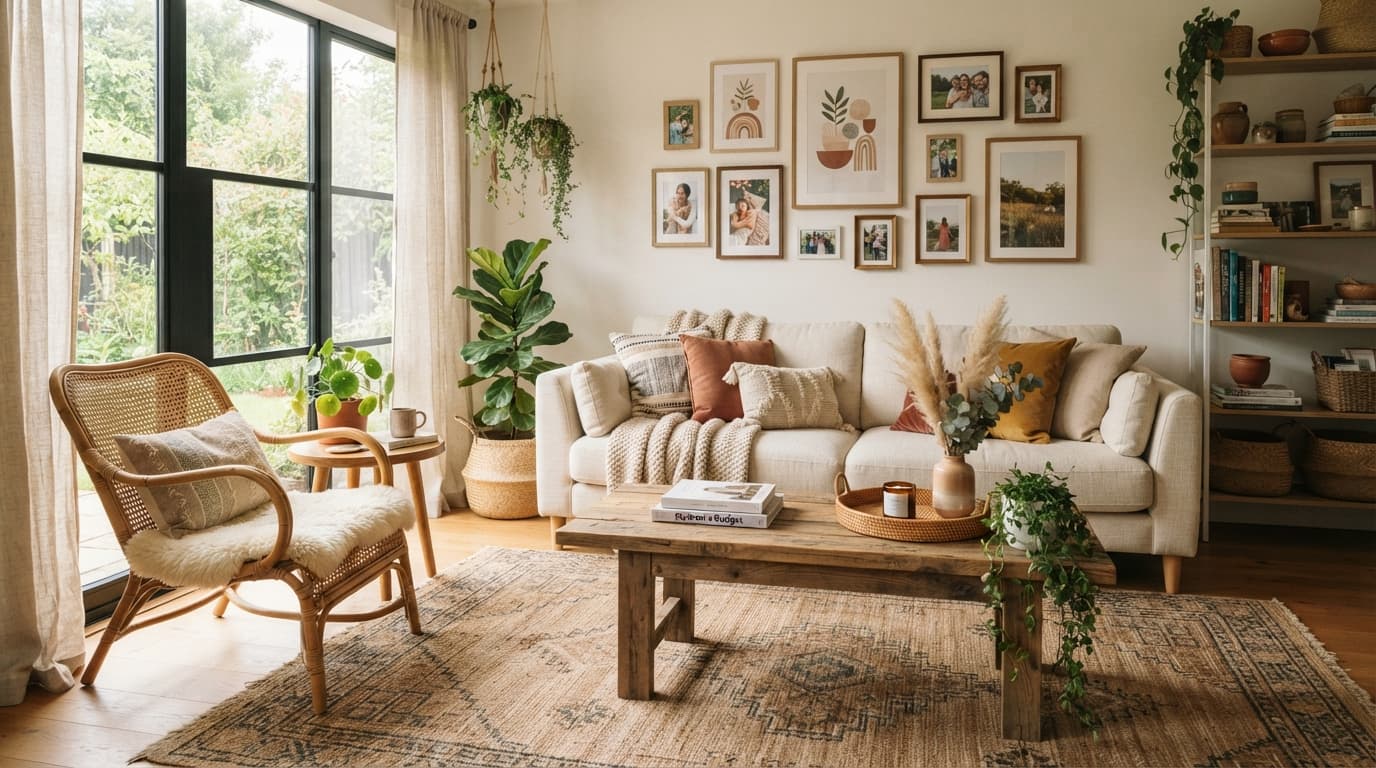
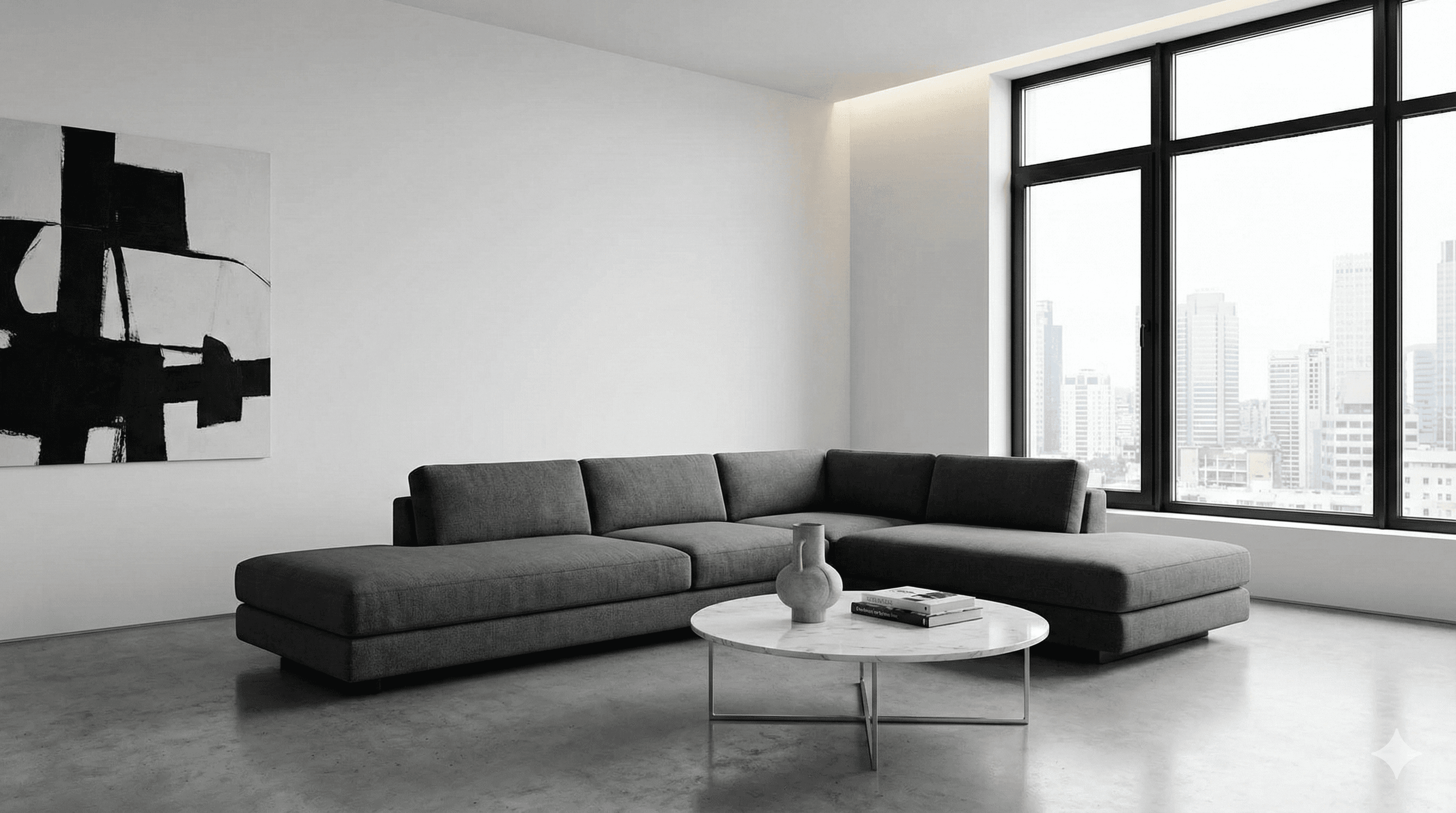
While you don't need to commit to one rigid style, having a general direction helps. Do you gravitate towards the clean lines of modern or minimalist design? The cozy, natural feel of scandinavian? The eclectic charm of bohemian? Or perhaps the timeless appeal of mid-century or farmhouse?
You can blend elements, but ensure there's a unifying thread – perhaps a consistent color palette, material, or specific era. Roomellow can be incredibly helpful here; you can upload your room photo and apply different styles, instantly seeing how your space would look with mid-century modern living room ideas or even experiment with various bohemian bedroom decor ideas and inspiration. This helps you hone in on your preferred aesthetic without the guesswork.
B. Decor Elements that Make a Difference
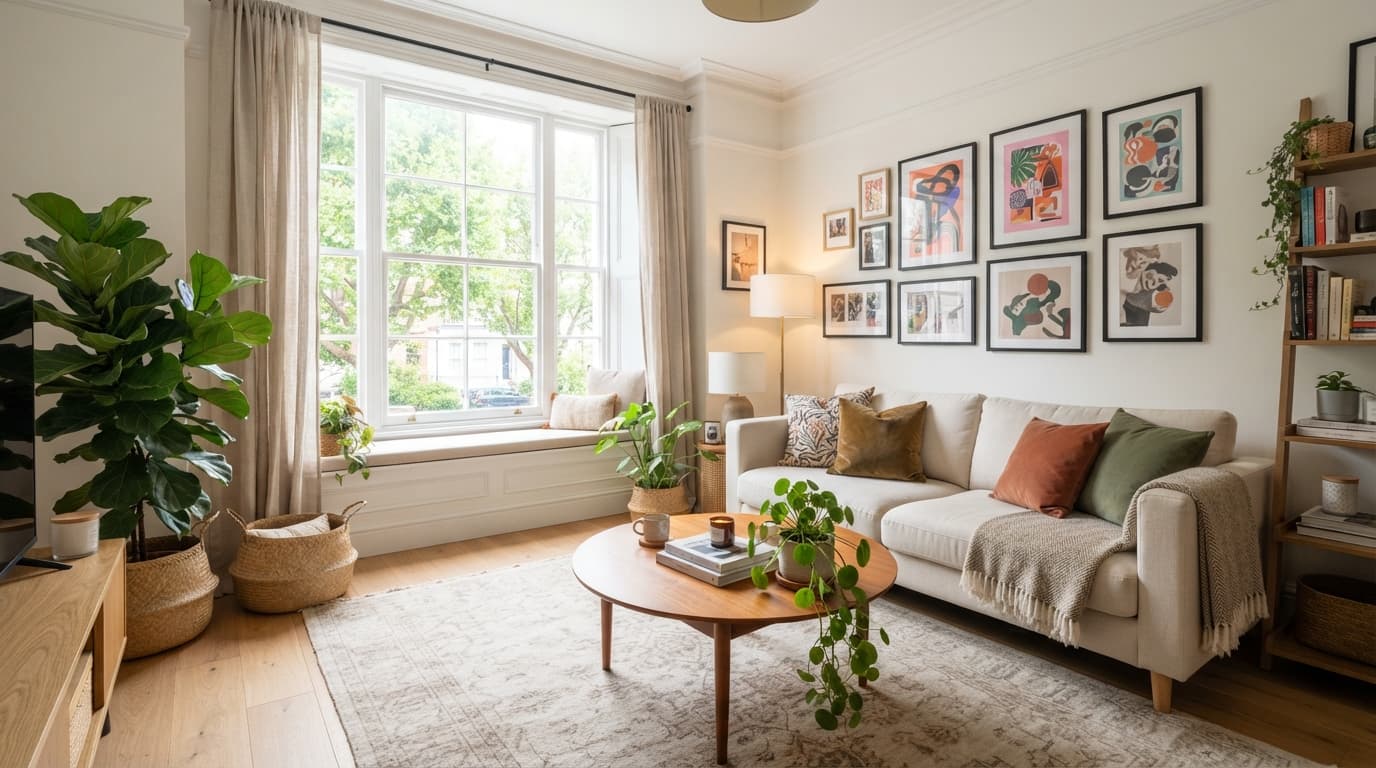
- Art & Wall Decor: Posters, prints, photographs, or even textiles can add personality. Consider a gallery wall to fill a large space without needing one massive, expensive piece. Command strips are great for renters!
- Plants: Greenery instantly brings life, color, and freshness to any room. Start with easy-care options like Snake Plants, Pothos, or ZZ Plants.
- Mirrors: Beyond functionality, a large mirror (especially leaning against a wall) creates an illusion of more space and reflects light.
- Textiles: Rugs (as mentioned), throw pillows, blankets, and curtains add softness, texture, and color.
- Curtains: Choose light, airy fabrics for small spaces to maintain brightness, or blackout curtains for privacy and sleep in the bedroom. Hang them high and wide to make windows appear larger.
- Personal Touches: Display books, travel souvenirs, photos, or unique trinkets that tell your story.
C. The Power of Color
A fresh coat of paint can be transformative, but many landlords prohibit it. If you can't paint, bring in color through:
- Accent Walls: If allowed, one painted wall can make a huge impact.
- Removable Wallpaper: A fantastic renter-friendly option for adding pattern and color.
- Textiles: Rugs, curtains, pillows, and throws are excellent ways to introduce your chosen color palette.
- Art and Accessories: Use decorative objects to infuse color.
Remember, every item you bring in should serve a purpose or bring you joy. Avoid clutter by choosing pieces thoughtfully. If you're struggling to visualize how new decor elements or an entirely new style would look, remember that Roomellow lets you redesign your room with AI by uploading a photo and applying different design concepts or specific furniture items.
5. Maximizing Space with Smart Storage Solutions
Apartments, especially first apartments, often lack generous storage. Creative solutions are key to keeping your space tidy and functional.
- Vertical Storage: Look up! Wall-mounted shelves, tall bookcases, and storage units utilize often-ignored vertical space.
- Under-Bed Storage: Bins or drawers that slide under your bed are perfect for off-season clothing, extra linens, or rarely used items.
- Multi-Functional Furniture: Ottomans with hidden storage, coffee tables with drawers, or benches with lift-top compartments.
- Baskets & Bins: An easy and stylish way to contain clutter in plain sight – think blankets in the living room, magazines, or extra toiletries in the bathroom.
- Hooks: Over-the-door hooks for towels or coats, or adhesive hooks for lighter items, are simple yet effective.
- Drawer Dividers & Organizers: Keep kitchen utensils, socks, and desk supplies neatly organized.
6. First Apartment Essentials Checklist (Beyond Furniture)
While furniture defines your space, these non-decor items are equally crucial for day-to-day living.
First Apartment Essentials Checklist
| Category | Items | Notes |
|---|---|---|
| Kitchen | Basic pot & pan, cutting board, knife set, plates, bowls, mugs, glasses, silverware, can opener, coffee maker/kettle, dish soap, sponge, paper towels, trash can, storage containers, oven mitts | Start with basics, add as needed. Don't buy a full set of everything. |
| Bathroom | Shower curtain & rings, bath towels, hand towels, washcloths, bath mat, toilet paper, toilet brush, plunger, soap, shampoo, conditioner, toothbrush holder, wastebasket | Prioritize hygiene and function. |
| Bedroom | Mattress protector, sheets, pillowcases, pillows, comforter/duvet, hangers | Good quality bedding makes a difference. |
| Cleaning | All-purpose cleaner, glass cleaner, floor cleaner, broom/vacuum, dustpan, mop, microfiber cloths, trash bags, laundry detergent, drying rack | Keep your space sparkling from the start. |
| Tools & Safety | Basic tool kit (hammer, screwdrivers), first-aid kit, fire extinguisher, smoke detector batteries, light bulbs, basic extension cords/power strips | Essential for minor repairs and emergencies. |
| Miscellaneous | Curtains/blinds, iron/steamer, clothes hamper, coat hangers, command hooks | Small items that add convenience and style. |
Frequently Asked Questions About First Apartment Decorating
Q: How do I make a small apartment feel bigger?
A: Focus on light colors, use mirrors to reflect light and create depth, choose furniture with visible legs and slim profiles, utilize vertical space with shelves, and keep clutter to a minimum. Multi-functional furniture like an ottoman with storage or a sofa bed is also key. For more tips, read our guide on how to design a small living room.
Q: What's the most important thing to buy first for a new apartment?
A: A good mattress is arguably the top priority. Getting quality sleep is foundational to well-being. After that, focus on functional essentials like basic kitchenware, a shower curtain, and cleaning supplies. Furniture can be added gradually.
Q: How can I decorate on a tight budget?
A: Prioritize essentials, measure everything, look for secondhand items, embrace DIY projects, and spread out your purchases over time. Utilize online tools like Roomellow to visualize before buying, avoiding costly mistakes. Focus on simple, foundational pieces and add decorative elements later.
Q: Should I buy new or used furniture for my first apartment?
A: A mix of both is often the best approach. Invest in new for items like mattresses or upholstered pieces (sofas) for hygiene and longevity. For items like dressers, dining tables, bookshelves, or accent chairs, secondhand can offer great value and unique character. Always inspect used items carefully for damage or pests.
Your first apartment is more than just a place to live; it's an opportunity to build a space that reflects who you are and supports the life you want to lead. By approaching it with a plan, a budget, and a dash of creativity, you can create a truly memorable and comfortable home.
Ready to see your first apartment ideas come to life? Upload a photo of your room to Roomellow and instantly visualize layouts, furniture, and styles to create your dream space.
Ready to redesign your room?
Upload a photo of your room and get a professional AI redesign with real furniture you can buy. Free to try — no credit card required.
Try Roomellow free