Inspiring Bathroom Ideas: Transform Your Space & Boost Well-being
Transform your neglected bathroom into a beautiful retreat! Explore inspiring bathroom ideas, design tips, and practical advice for a stylish and functional space. Get started today!
By Roomellow Team
The bathroom, in so many homes, is the most neglected room. It’s seen as purely functional, a place to get in and out of as quickly as possible. But it deserves so much more. Think about it: it’s where you start your day, where you unwind after a long one, and often the only truly private space in the house. A thoughtfully designed bathroom can be a little escape, a quiet moment, and a huge boost to your daily well-being.
So, if you’re tired of stepping into a drab, uninspiring bathroom, you’re in the right place. We're going to dive deep into transforming this often-overlooked space from purely utilitarian to a place you actually enjoy spending time in. We’ll explore everything from big-ticket items like vanities and tiles to the smaller details that make all the difference, all with an eye on real-world practicality, budget considerations, and of course, style.
Beyond the Basics: Defining Your Bathroom's Vibe
Before you start ripping out tiles or scrolling through endless vanity options, pause. What is your bathroom's current biggest problem? Is it lack of storage? Terrible lighting? An outdated aesthetic that makes you cringe? Addressing these core issues is where we start.
Function First, Always. Function must lead form, especially in a bathroom. This is a hardworking room, and if it doesn't perform well, no amount of pretty tile will save it.
- Layout: Are you constantly bumping into the toilet when you open the shower door? Does reaching the towel bar feel like a yoga pose? Think about the flow. Even small tweaks, like re-swinging a door or moving a towel hook, can improve daily life. For a full renovation, consider the "wet zones" – keeping plumbing lines grouped can save significant money on labor.
- Storage: Where do you keep your extra toilet paper, cleaning supplies, and a year's supply of half-used beauty products? If everything is piled on the counter or shoved into a single drawer, you're not alone. Closed storage wins every single time in a bathroom. It’s just less visual clutter, which makes the whole space feel calmer.
- Ventilation: This is non-negotiable. Proper ventilation prevents mold and mildew, protects your finishes, and keeps the air fresh. If your existing fan sounds like a jet engine or simply doesn't move air, it's time for an upgrade. A good fan with a timer is a small investment that pays off big in the long run.
Style Storytelling: What’s Your Bathroom's Personality? Once the functional groundwork is laid, it's time to dream about aesthetics. The bathroom is a fantastic place to experiment with a style that might feel too bold for, say, a living room. Do you want it to feel like a spa retreat, a punchy powder room, or a serene minimalist space?
- Modern Minimalist: Think clean lines, monochrome palettes (white, gray, black), floating vanities, frameless mirrors, and simple fixtures. Materials often lean towards concrete, large-format porcelain tiles, and natural wood accents. It's about quiet luxury and thoughtful negative space.
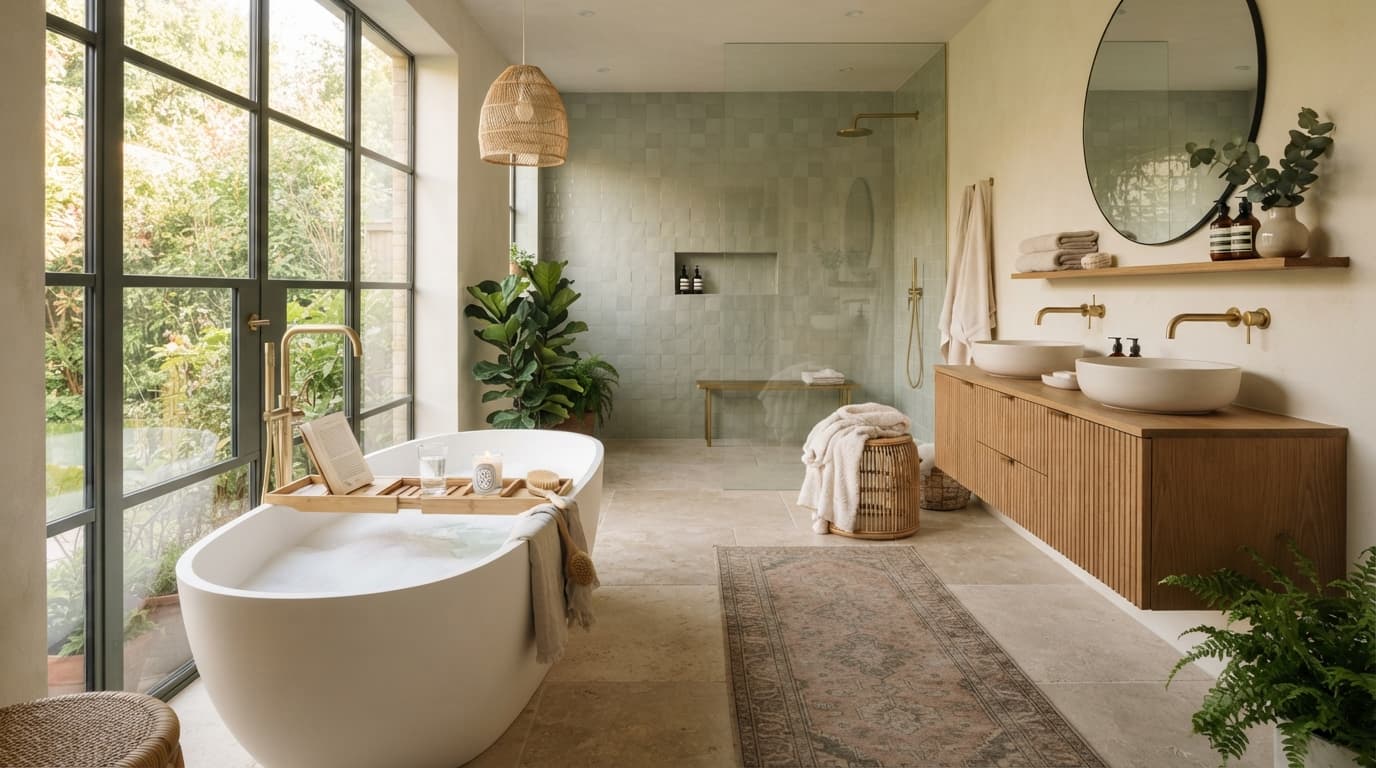
- Spa-Like Sanctuary: This is all about calm. Soft, muted colors (sage green, pale blue, warm neutrals), natural textures like wood and stone, freestanding tubs, soft lighting, and plush towels. Bring in plants, natural soaps, and maybe a small stool for a candle.
- Eclectic & Expressive: Don’t be afraid to mix things up! A vintage dresser repurposed as a vanity, patterned floor tiles with a simple subway tile shower, a gallery wall of quirky art, and brass fixtures. This style works particularly well in a powder room, where you can go bold without overwhelming the rest of the house.
- Modern Farmhouse (with a Twist): This isn't just shiplap and barn doors anymore. Modern farmhouse can be sophisticated with clean-lined shaker vanities, matte black fixtures, subway tiles, and hints of rustic wood. Avoid overly distressed finishes and lean into warmth and simplicity. If you're curious about the nuances between styles, we explored them in modern vs farmhouse interior design.
Key Elements for a Bathroom Glow-Up
Let's break down the components that really define your bathroom's look and feel.
The Vanity: More Than Just a Sink
The vanity is often the focal point of a bathroom. It dictates storage, counter space, and a significant portion of the room's style.
- Floating vs. Freestanding:
- Floating Vanities: A favorite for a modern, airy feel. They’re mounted directly to the wall, leaving the floor clear. This visual trick makes a bathroom feel larger, especially in smaller spaces. They require a bit more careful installation to ensure stability, but the payoff in aesthetics is huge. Expect to pay a little more for installation.
- Freestanding Vanities: These look like traditional furniture pieces, resting on the floor. They can offer more storage space and are easier to install (just set in place and connect plumbing). They work well for a more traditional, transitional, or even modern farmhouse look.
- Dimensions Matter: Standard vanity heights range from 30 inches (traditional) to 36 inches (comfort height — the popular choice). Standard depths are usually 21-22 inches. For a powder room, you might go as narrow as 18-24 inches wide, while a master bathroom could easily accommodate a 60-inch double vanity. Measure everything before you buy, especially if you have a tight space.
- Materials & Countertops:
- Quartz: Durable, non-porous, easy to clean. Comes in a huge range of patterns and colors. A solid choice that will stand up to daily use. Price range from $50-100 per square foot installed.
- Solid Surface (e.g., Corian): Seamless, non-porous, and can be molded into integrated sinks. Great for a sleek, modern look. Can scratch, but often repairable.
- Natural Stone (Marble, Granite): Marble is beautiful but porous and requires sealing; it will etch and stain. Granite is more durable but can look dated if not chosen carefully. A beautiful marble vanity top can cost upwards of $100 per square foot.
- Wood: Adds warmth and texture. Needs proper sealing and ventilation to prevent warping or damage from moisture. Often used for the vanity cabinet itself.
Lighting: Set the Mood (and See Your Face)
Good bathroom lighting is a triad: functional, ambient, and accent. Too often, bathrooms only have one sad overhead fixture.
- Vanity Lighting: This is critical. Sconces mounted at eye level (around 60-65 inches from the floor) on either side of the mirror eliminate shadows on your face, giving you the best light for grooming. If side sconces aren't possible, a horizontal fixture above the mirror should be mounted high enough to cast light down, not just across. Avoid can lights directly above your head at the vanity, which cast harsh shadows.
- Recessed Lighting: Use these for general ambient light. A couple of strategically placed recessed lights can brighten the entire room. Make sure they are rated for damp locations (check the IP rating).
- Color Temperature: For bathrooms, aim for a neutral white light, around 3000K-4000K. Anything warmer (2700K) can feel too yellow, and anything cooler (5000K+) can feel clinical.
- Dimmers: Non-negotiable. Dimmers allow you to adjust the mood, from bright task lighting in the morning to a soft, relaxing glow for a bath.
Mirrors: Reflect Your Style
A mirror is not just for checking your reflection; it's a key design element that can make a space feel larger and brighter.
- Size & Shape: Match the mirror to the vanity's width, or slightly narrower. Don't go wider. Rectangular mirrors are classic, while round or oval mirrors can soften a modern space. For a double vanity, you might opt for two individual mirrors or one large, expansive mirror.
- Framed vs. Frameless: Framed mirrors add character and can tie into other finishes (e.g., a black frame matching matte black fixtures). Frameless mirrors offer a clean, minimalist look.
- Storage Mirrors: Medicine cabinets have come a long way. Modern versions are sleek, recessed, and offer invaluable hidden storage.
Tile Talk: Foundation & Flair
Tile forms the canvas of your bathroom. It impacts durability, maintenance, and style more than almost any other element.
- Floor Tiles:
- Porcelain vs. Ceramic: Porcelain is denser, less porous, and more durable than ceramic, making it ideal for high-traffic, wet areas like bathrooms. Ceramic is generally more budget-friendly.
- Slip Resistance: Look for tiles with a matte finish or some texture to reduce slipperiness, especially in shower areas.
- Size: Large format tiles (12x24 inches or larger) create fewer grout lines, which means less cleaning and a more contemporary, expansive feel. Smaller tiles, like mosaics, are great for shower floors for better grip and drainage.
- Shower Walls:
- Subway Tile: A timeless classic. Costs are generally low (as little as $2-5 per square foot), and it can be laid in various patterns (offset, stacked, herringbone).
- Large Format: Creates a sleek, seamless look.
- Mosaics: Great for an accent wall or niche, but more grout lines mean more cleaning.
- Grout: A lighter grout can make a tile pattern pop, but it will show dirt more readily. A medium gray grout is often a practical and attractive compromise. Consider epoxy grout for areas with heavy water exposure as it’s more resistant to stains and mildew.
- Accent Walls: A tiled accent wall, perhaps behind the vanity or inside the shower, can add a luxurious touch without breaking the bank. Don't overdo it – one accent wall is usually enough to make a statement.
Faucets & Fixtures: The Jewelry of the Bathroom
These small details have a huge impact on your bathroom's overall look and feel.
- Finishes:
- Chrome: Classic, durable, easy to clean, and affordable.
- Brushed Nickel/Stainless Steel: Modern, shows fewer fingerprints than chrome, and warm.
- Matte Black: Very popular, bold, and modern. Can show water spots more, but a quick wipe usually fixes it.
- Brass/Gold: Warm, luxurious, and comes in polished or unlacquered (which will naturally patina over time). Can be a splurge.
- Wall-Mounted vs. Deck-Mounted: Wall-mounted faucets are fantastic for a clean look, particularly with vessel sinks or floating vanities. They also free up counter space. However, they require in-wall plumbing, which can add to installation costs. Deck-mounted faucets are standard and generally easier to install.
- Showerheads: Consider a rain head for a luxurious feel, paired with a handheld shower for practicality (especially for cleaning or washing pets). Low-flow options are great for water conservation.
Storage & Organization: Keep the Clutter Away
A bathroom should feel serene, not cluttered. Every item should have a home.
- Built-ins: If you're doing a major renovation, consider recessed niches in the shower or a built-in linen closet for seamless storage.
- Standalone Shelves/Cabinets: For smaller items, open shelving can be beautiful, but it requires diligent styling. Closed cabinets above the toilet or a slim shelving unit can add much-needed storage.
- Drawer Organizers: Crucial for keeping vanity drawers from becoming a chaotic mess of cotton swabs and dried-up mascaras. Invest in adjustable dividers.
- Baskets & Bins: Use them for towels, extra toilet paper, or even to corral hair products. Woven baskets add texture and warmth.
Textiles & Accessories: The Finishing Touches
These are the elements that bring personality and comfort into the space.
- Towels: Don't underestimate the power of good towels. Plush, absorbent towels (Egyptian cotton, Turkish cotton) in a cohesive color palette instantly elevate the feel of your bathroom. Keep a neatly stacked set visible.
- Rugs: A soft bath rug underfoot is a must. Opt for washable options with non-slip backings. For a larger bathroom, a small area rug (like a 2x3 or 3x5) can ground the space and add pattern or color.
- Art & Plants: Don't forget wall decor! A beautiful piece of art can transform a boring wall. Small, humidity-loving plants (like ferns or peace lilies) add life and natural beauty.
- Scent & Candles: A subtle diffuser or a beautifully scented candle can turn your bathroom into a true retreat.
Small Bathroom Hacks (and Honest Limitations)
Small bathrooms present unique challenges, but they’re also opportunities for clever design. We covered some of these strategies in how to make a small room look bigger, but let's focus on the bathroom.
- Vanity Choice: A wall-mounted or pedestal sink frees up floor space, making the room feel larger. If you need storage, a narrow vanity (24-30 inches wide, 18 inches deep) can be a lifesaver.
- Large Mirrors: A large mirror, or even a wall-to-wall mirror, reflects light and space, creating the illusion of a bigger room.
- Open Shelving (Strategically): While closed storage usually wins, a single wall-mounted shelf above the toilet can offer a landing spot for essentials without feeling bulky. Keep it minimal and styled.
- Light Colors: White, pale grays, and soft pastels on walls and larger surfaces (like floor tile) help reflect light and make the room feel more expansive.
- Glass Shower Doors: Opt for frameless clear glass shower doors instead of opaque shower curtains. This keeps the sightlines open and makes the shower feel like part of the room, not a separate box.
- Pocket Doors: If you're doing a full renovation, replacing a traditional swing door with a pocket door can free up valuable wall space inside and outside the bathroom.
The honest truth: You won't fit a double vanity and a freestanding tub into a 5x8 foot bathroom. Understand the physical limitations of your space and prioritize what’s most important to you. Sometimes, a beautiful, highly functional single vanity is a far better choice than trying to cram too much in.
Budgeting and Prioritizing
A bathroom renovation can range from a few hundred dollars for a quick refresh to tens of thousands for a full gut remodel. Being clear about your budget from the start is crucial for making smart decisions.
- Where to Splurge:
- Plumbing Fixtures: Quality faucets and showerheads will last longer and perform better. You use these every single day.
- Tile: Good quality, well-installed tile is the foundation. It’s hard to change later, so get it right.
- Vanity & Countertop: This is a major visual and functional piece. Invest in a sturdy cabinet and a durable, attractive countertop.
- Lighting: Essential for daily function and mood. Don't skimp here.
- Where to Save:
- Paint: A fresh coat of paint is the cheapest way to transform a room. You can always change it later.
- Accessories: Towels, rugs, shower curtains, and decorative items can be updated relatively cheaply. Shop sales and look for good value at various home goods stores.
- DIY: If you're handy, simple tasks like painting, installing shelving, or swapping out light fixtures can save on labor costs. However, leave plumbing and electrical to the pros unless you are genuinely experienced. Water damage is no joke.
Planning the Rest of Your Home Too?
A bathroom refresh has a way of kicking off bigger redecorating plans. While Roomellow focuses on furniture rather than tile and plumbing — living rooms, bedrooms, dining rooms, and home offices are its territory — the same visualize-before-you-buy principle applies everywhere: upload a photo of your room and see it redesigned with real, purchasable furniture from a variety of furniture stores before you commit to a single purchase. It’s the confidence of seeing the finished room first, without the guesswork.
Ready to redesign your room?
Upload a photo of your room and get a professional AI redesign with real furniture you can buy. Free to try — no credit card required.
Try Roomellow free