Clever Home Decor Ideas to Transform Your Space Effortlessly
Feeling uninspired? Discover clever home decor ideas to transform your home without a huge budget or renovation. Get expert tips on layout, furniture placement, and more. Read now!
By Roomellow Team
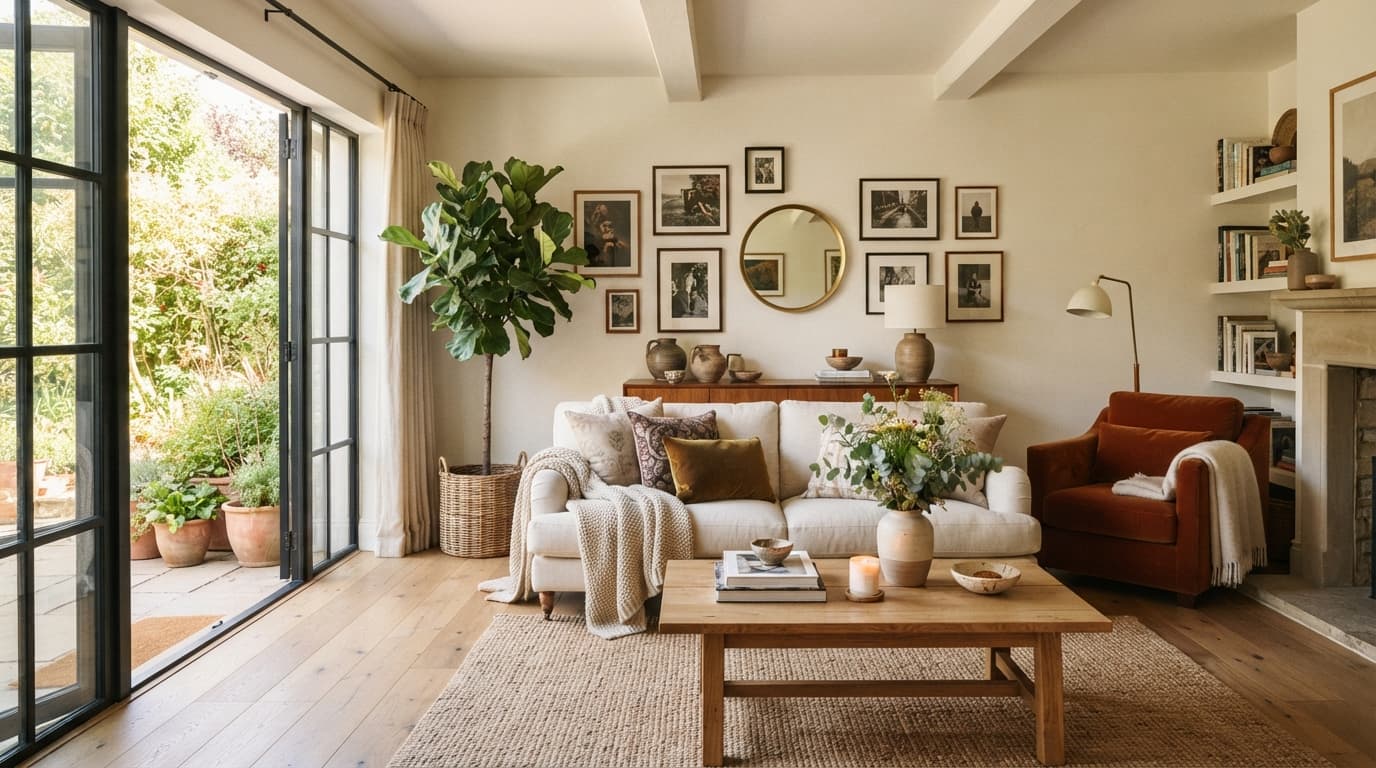
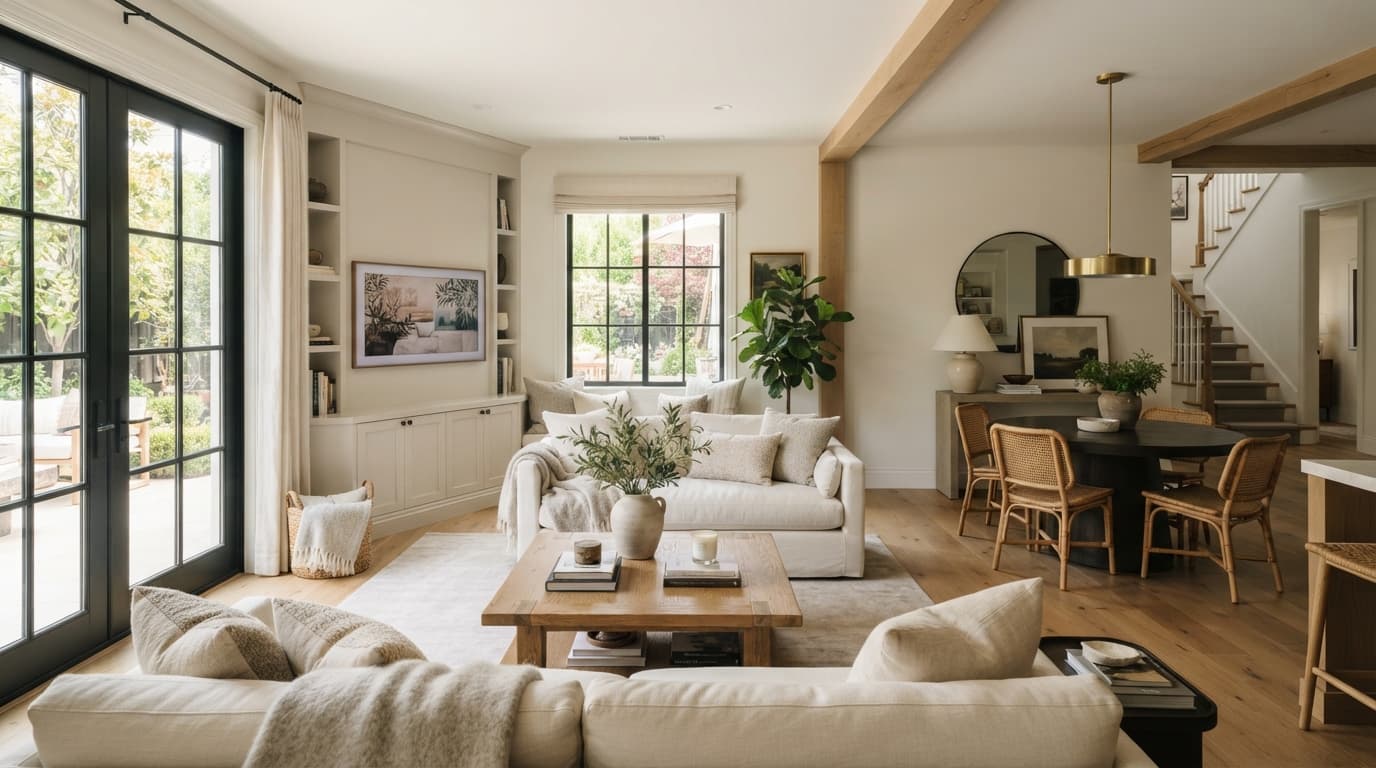
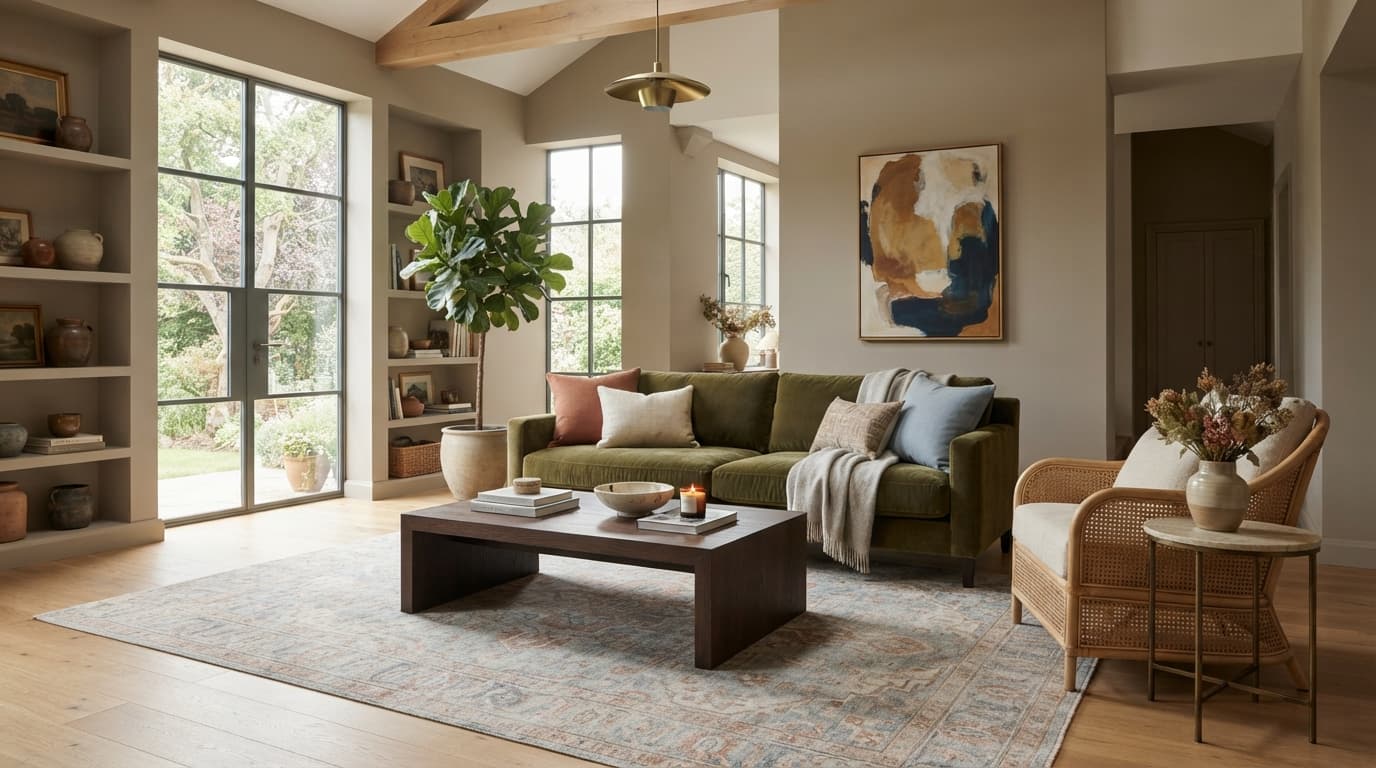
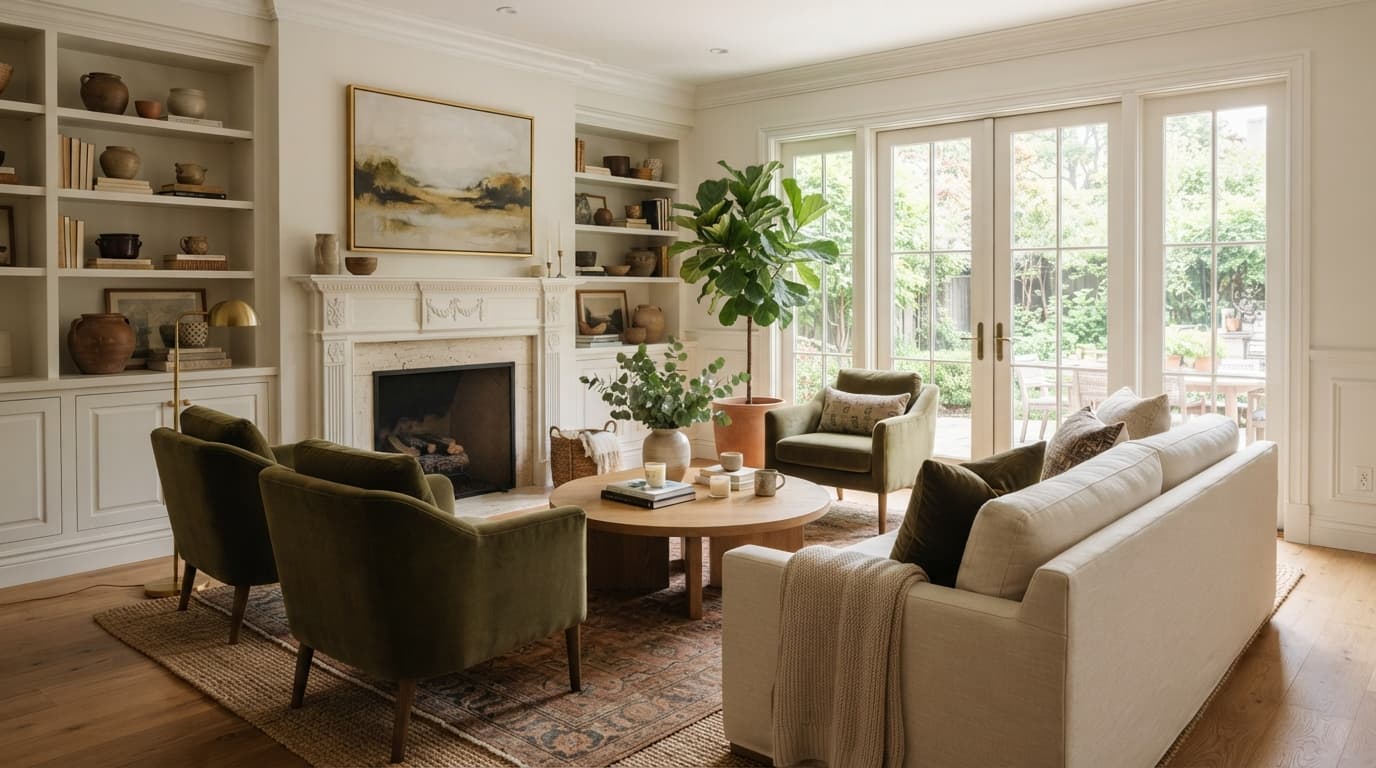
Redecorating can feel overwhelming. You scroll through endless Pinterest boards, double-tap stunning Instagram photos, and suddenly your own living room feels… less than inspiring. The good news? You don’t need to knock down walls or spend a fortune to transform your home. Often, it's about making thoughtful, intentional choices that build on each other to create a cohesive, personalized space.
We've seen countless rooms through the photos uploaded to Roomellow, and the biggest common thread in successful designs isn't a specific style or a hefty budget. It's understanding the foundational principles of good design and applying them with confidence. Here are the home decor ideas that genuinely make a difference.
1. Get Your Layout Right, First
Before you even think about buying new decorative objects or paint colors, you need to nail the layout. This is the skeleton of your room, and if it's not functional and comfortable, no amount of pretty pillows will fix it. Take a critical look at how you use the room: where do people sit, walk, and gather?
Start with Your Largest Pieces
In a living room, that means your sofa or sectional. Don't push everything against the walls – that's a common mistake that leaves a vast, empty "dance floor" in the middle. Pull your sofa a few inches, or even a few feet, away from the wall if space allows. Create conversation zones. In a bedroom, your bed is the obvious anchor. Positioning it centrally on the largest wall, rather than tucked into a corner, instantly elevates the room's presence.
For dining rooms, consider the flow around the table. Can people easily pull out chairs and walk past without squeezing? A good rule of thumb is at least 36 inches of clearance from the edge of the table to the nearest wall or furniture piece. These initial decisions are critical, and frankly, they're where many people get stuck. If you're struggling to visualize, a tool like Roomellow can show you your own room redesigned — you can design your room with real furniture before committing to a single purchase.
Don't Skimp on the Rug (Seriously)
One rule worth being stubborn about: a rug that is too small is worse than no rug at all. A postage stamp-sized rug floating in the middle of your living room makes the space feel disjointed and cheap. Period. For most living rooms, you'll need at least an 8x10 or even a 9x12 rug.
The goal is to have the front legs of all your main seating pieces (sofa, accent chairs) resting on the rug. Ideally, all legs of your sofa should be on the rug if you have the space, but front legs are the absolute minimum. For a standard 90-100 inch sofa, an 8x10 rug works well. If you have a large sectional, a 9x12 rug is pretty much non-negotiable to anchor the whole seating area. Look for natural fibers like wool or jute for durability and texture. Synthetic blends can be great for high-traffic areas or homes with pets and kids, but always check for softness underfoot. You want something that feels good, not just looks good.
2. Embrace the Mix: Ditch the Matching Sets
This might be the single most effective tip on this list. The "matching furniture set" from the big box store is the fastest way to make your home feel generic and uninspired. A truly well-designed space looks collected over time, with pieces that complement, rather than duplicate, each other.
Mix Materials and Textures
Think about combining different finishes: a sturdy oak coffee table paired with a sleek metal floor lamp and a boucle accent chair. This creates visual interest and depth. If everything is the same wood tone or fabric, your eye has nowhere to rest, and the room falls flat.
For example, instead of buying a sofa and two identical accent chairs from the same collection, try this: a comfortable, neutral fabric sofa (think a warm linen or a performance velvet) paired with a leather accent chair and perhaps a rattan or cane chair. The different textures and materials add character and tell a story. You can find incredible pieces from various furniture stores, creating a custom look without having to custom-order everything.
Consider the interplay of hard and soft. A chunky knit throw over a smooth leather sofa. A sleek glass coffee table grounding a plush, high-pile rug. These contrasts are what make a room feel rich and inviting. Don't be afraid to experiment; that's where the magic happens. Need some inspiration? Check out how we achieved a modern living room redesign with 13 products by mixing elements.
3. Light it Up: Layered Illumination is Key
Lighting is one of the most underrated home decor elements, yet it has an enormous impact on mood and functionality. Relying solely on a single overhead light fixture is a recipe for a flat, uninviting room. You need layers of light.
Three Types of Lighting
- Ambient Lighting: This is your general, overall illumination. Think recessed lights, a flush-mount ceiling fixture, or a large pendant. It's the base layer.
- Task Lighting: This is focused light for specific activities. A desk lamp for reading or working, under-cabinet lighting in the kitchen, or a bedside lamp for reading in bed.
- Accent Lighting: This is purely for mood and highlighting features. Picture lights to illuminate art, puck lights inside a bookshelf, or even uplights for plants.
The key is to have multiple sources at different heights. A floor lamp behind your sofa, a table lamp on a side table, and maybe a small decorative lamp on a bookshelf. This creates warmth and allows you to adjust the lighting for different times of day or activities. Always, always, always put your lights on dimmers. It's a game-changer for setting the mood. A beautiful floor lamp from a home goods store can range from $100-$400, while a stylish table lamp might be $50-$200. It's a worthy investment.
4. Don't Fear Color (But Be Strategic)
Many people default to all neutrals because they're afraid of making a mistake with color. While neutrals are classic and provide a calming backdrop, a well-placed pop of color can bring a room to life.
Start Small, Then Go Bold
If you're nervous, begin with easy-to-swap items: throw pillows, blankets, decorative objects, or even a vibrant piece of art. These are low commitment and can be changed seasonally or when your tastes evolve. For example, a crisp white sofa can be completely transformed with mustard yellow and deep teal pillows one season, and then soft blush and gray the next.
Feeling braver? Consider an accent wall. Painting just one wall in a bold color or applying textured wallpaper can add incredible depth and personality without overwhelming the room. Think a deep forest green in a bedroom for a cozy vibe, or a rich navy in a home office setup. Even painting the inside of a bookshelf in a contrasting color can be a fun, impactful project. When choosing colors, consider the mood you want to create. Soft blues and greens for calm, vibrant oranges and yellows for energy. If you're brainstorming for your sleep space, we have plenty of bedroom color ideas to get you started.
5. Curate Your Collections: The Personality Factor
Your home should tell your story. Mass-produced decor pieces might look good in a catalog, but they rarely inject soul into a space. This is where personal touches come in.
The Art of the Vignette
Think beyond just "stuff." What do you love? What have you collected on your travels? What photos make you smile? Display these items thoughtfully. Create vignettes on shelves, coffee tables, and console tables. A vignette is simply a small, artful arrangement of objects that tells a mini-story.
Aim for a mix of heights, textures, and materials. For example, a stack of interesting books, topped with a small ceramic bowl, next to a framed photo and a trailing plant. Varying heights prevents a flat, stagnant look. Don't overcrowd surfaces; less is often more. Give each object room to breathe and be appreciated. Thrift stores, antique shops, and local artisan markets are fantastic places to find unique pieces that no one else will have. A set of three vintage brass candlesticks or a beautifully bound old book can add more character than a brand-new decor set.
Art That Speaks to You
Art is incredibly personal, and it doesn't have to be expensive. What matters is that you connect with it. Don't buy art just to fill a wall. Look for pieces that evoke emotion, bring back memories, or simply make you happy. And please, for the love of good design, hang your art at the right height! The general rule is to hang the center of the artwork at eye level – typically around 57-60 inches from the floor. And don't hang tiny art on huge walls; scale matters. If you have a large wall, consider a gallery wall or a single, oversized piece.
Bring in the Green: Plants Are Living Decor
Plants are non-negotiable. They bring life, texture, and a sense of calm to any room. They literally clean your air and add a dynamic, organic element that no inanimate object can replicate. Even a simple snake plant or a pothos can transform a corner.
Consider different sizes and leaf shapes. A large fiddle leaf fig can fill an empty corner, while smaller succulents or a hanging plant can add charm to a shelf. If you have a black thumb, start with low-maintenance varieties like ZZ plants, peace lilies, or even high-quality faux plants (but be discerning – cheap faux plants look exactly that).
6. Elevate Your Windows: Don't Forget Treatments
Bare windows can make a room feel unfinished, cold, or exposed. Window treatments aren't just for privacy; they add softness, texture, and another layer of design to your space.
Go Long and Full
Whether you choose curtains, blinds, or shades, make sure they are installed correctly. For curtains, hang your rod wide enough so the curtains can stack off the window, maximizing natural light. And hang them high – at least 6-12 inches above the window frame, or even all the way to the ceiling, to make the room feel taller.
Curtains should just kiss the floor, or puddle slightly for a more luxurious, traditional look. Don't buy curtains that are too short; it’s like wearing high-water pants! Also, ensure they have enough fullness. A good rule of thumb is to have your curtain panels be 1.5 to 2 times the width of your window for a lush, gathered look when closed. Linen, cotton, or a soft velvet can add incredible texture and sophistication. You'll find a vast selection from various home goods stores, offering options for every budget and style.
7. Smart Storage: The Foundation of a Tidy Home
A beautifully decorated room will never feel truly finished if it's cluttered. Good storage is an integral part of good decor. It's not just about hiding things; it's about creating a sense of calm and order.
Dual-Purpose Pieces are Your Friend
Look for furniture that pulls double duty. An ottoman with hidden storage, a coffee table with drawers, or a console table that also serves as a small desk are all excellent choices, especially in smaller spaces. Consider a bench with cubbies or a media console with closed cabinetry to keep electronics and wires out of sight. We've compiled some great ideas for best furniture for small apartments that often feature clever storage solutions.
Beyond furniture, decorative baskets, boxes, and trays can help contain clutter while adding to your room's aesthetic. Use a large woven basket for throw blankets, smaller lidded boxes on a shelf for remotes or charging cables, and a stylish tray on your coffee table to corral smaller items like coasters and candles. Everything should have a home, and when it does, your room instantly feels more intentional and inviting.
Decorating your home doesn't have to be daunting. By focusing on these foundational ideas – layout, mixing materials, layered lighting, strategic color, personal touches, window treatments, and smart storage – you can create a space that feels uniquely yours. And remember, if you're ever stuck on how a piece of furniture or a new layout might look, you can always upload your room photo to Roomellow and try it yourself. We'll show you redesigns using real products from various furniture stores, helping you visualize your dream space without any guesswork.
Ready to redesign your room?
Upload a photo of your room and get a professional AI redesign with real furniture you can buy. Free to try — no credit card required.
Try Roomellow free