Japandi Interior Design: The Perfect Blend of Calm & Comfort
Discover how Japandi interior design can transform your home into a serene, harmonious retreat. Blend Japanese minimalism with Nordic comfort. Start designing your peaceful space today!
By Roomellow Team
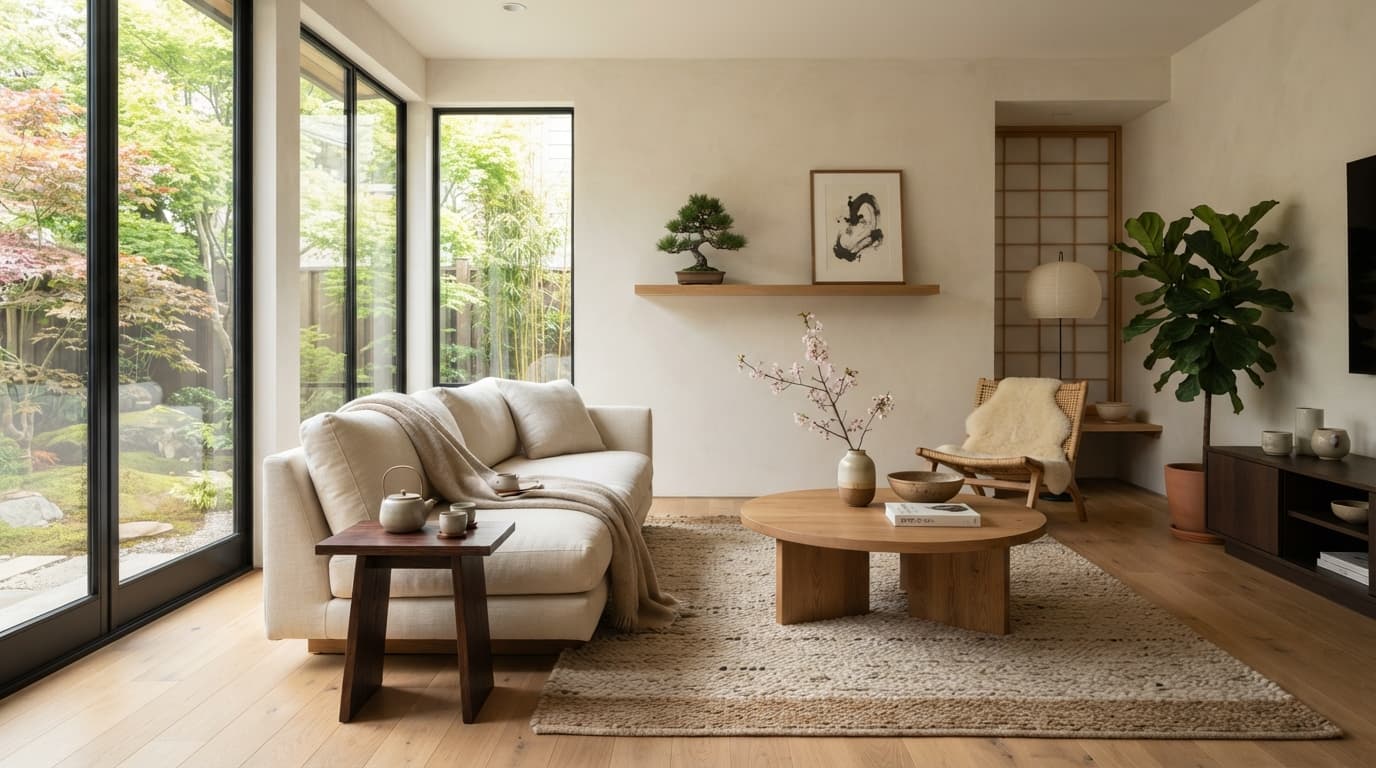
The moment Japandi interior design clicks is usually a photo — a living room that somehow feels both ancient and utterly contemporary. The serene simplicity of Japanese aesthetics, yet the inviting warmth you associate with a cozy Nordic home. No fussy details, just incredible textures, thoughtful lighting, and an undeniable sense of calm. That’s the magic of Japandi, and it’s why we genuinely believe it’s one of the most enduring styles you can bring into your home today.
Japandi isn't just a trending hashtag; it’s a design philosophy that marries Japanese minimalism with Scandinavian functionality and comfort. Think of it as the best of both worlds: the clean lines, understated elegance, and reverence for nature from Japanese design, blended with the cozy textures, natural light emphasis, and practical comfort of Scandinavian style (often called Hygge). The result? A timeless, harmonious, and incredibly liveable space that promotes well-being and tranquility.
For anyone who feels overwhelmed by clutter, yearns for a sense of calm, or simply wants a home that feels intentionally designed without being sterile, Japandi offers a beautiful blueprint. It’s about creating a personal retreat, a space where every item has a purpose and contributes to an overall feeling of peace.
Why Japandi Resonates So Deeply Right Now
Our lives are increasingly busy, digitally saturated, and often chaotic. It’s no surprise that many of us are craving environments that act as an antidote to all that noise. Japandi answers this call by offering a visual and emotional cleanse.
It encourages you to pare down to essentials, which immediately reduces visual clutter and mental stress. Instead of being surrounded by endless "stuff," you're encouraged to invest in fewer, higher-quality pieces that you truly love and that serve a real function. This isn't just about aesthetics; it’s about a lifestyle shift towards conscious consumption and appreciating beauty in simplicity.
The focus on natural materials also connects us back to nature, which is a powerful grounding force. When you choose furniture made from solid oak, a linen throw, or a hand-thrown ceramic vase, you’re bringing organic textures and honest craftsmanship into your daily life. This tactile experience is incredibly soothing and helps create that feeling of a genuine, lived-in home, rather than a showroom.
The Pillars of Japandi Design: Your Foundation
Before we dive into specific furniture and decor, let's solidify the core principles that define Japandi. Understanding these will help you make authentic design choices.
1. Minimalism & Functionality First
This is non-negotiable. Every piece in a Japandi space should serve a purpose. If it doesn't, it doesn't belong. This isn't about stark emptiness, but rather about deliberate placement and avoiding excess. Think about how a piece functions in your daily life. Does that side table truly hold your book and a drink, or is it just collecting dust? Embrace storage solutions that are beautiful and integrated, like low-profile media consoles with drawers or built-in shelving.
2. Natural Materials & Textures
This is where the warmth comes in. Wood is king, especially light-toned woods like oak or ash, but don't shy away from darker accents like walnut for contrast and depth. Other key materials include:
- Textiles: Linen, cotton, wool, bouclé, rattan, jute.
- Surfaces: Ceramic, stoneware, concrete, paper.
- Plants: Greenery is essential for bringing life and softness.
The beauty is in the unpolished quality. You want to see the grain of the wood, the subtle imperfections in a ceramic bowl, the natural wrinkles in linen.
3. A Muted, Earthy Color Palette
Forget bold, saturated hues. Japandi thrives on a calm, neutral backdrop.
- Main colors: Off-whites, warm greys, soft beiges, light browns, and muted greens.
- Accents: Charcoal, black, deep indigo, or forest green for grounding elements. The goal is to create a serene environment, not a visually stimulating one. Colors should feel organic and harmonious.
4. Craftsmanship & Thoughtful Design
Both Japanese and Scandinavian design traditions deeply value quality and longevity. This means choosing well-made pieces that can stand the test of time. While it's tempting to grab inexpensive trend pieces, a Japandi approach encourages investing in fewer, better items. Look for furniture with clean lines, exposed joinery, and a sense of handmade artistry. It’s not about expensive brands necessarily, but about durable construction and honest materials.
5. Connection to Nature
From the materials you choose to the plants you incorporate, nature should be ever-present. Large windows are a bonus, but even a thoughtfully placed floor plant or a vase with a simple branch can make a difference. The idea is to blur the lines between indoors and out, creating a calm, natural flow.
6. Embracing Wabi-Sabi and Hygge
This is where the two philosophies truly intertwine.
- Wabi-Sabi: The Japanese aesthetic of appreciating beauty in imperfection, transience, and natural cycles. Think about a chipped ceramic mug you love, a weathered wooden stool, or the subtle variations in a handwoven rug. It’s about finding charm in the authentic, imperfect truth of things.
- Hygge: The Danish concept of coziness, comfort, and contentment. This manifests in soft lighting, plush textures, a warm blanket, and a general feeling of well-being.
Combining these means your minimalist space isn't sterile; it's deeply inviting and perfectly imperfect. If you're curious about the distinctions, check out our piece on Scandinavian vs. Minimalist Interior Design.
Building Your Japandi Home: A Room-by-Room Guide
Now for the practical application. When designing a room, we always start with the biggest pieces and work down to the smallest details.
1. The Color Palette: Setting the Stage
Begin by painting walls in a warm off-white, like Farrow & Ball's "Wimborne White" (or a similar shade from a more accessible brand), or a soft, muted grey. Avoid stark white, as it can feel too cold and sterile for Japandi. The goal is a backdrop that feels airy but also grounding. For a touch more depth, consider a feature wall in a very subtle sage green or a warm greige, but only if the room can handle it without feeling busy. Remember, the walls are a canvas for your furniture and textures.
2. Furniture: Form, Function, and Low Profile
This is arguably the most critical part of achieving the Japandi aesthetic. Look for pieces with clean lines, minimal ornamentation, and a low-slung profile.
-
Sofa: A sofa with a simple, linear silhouette, perhaps in a light neutral linen, cotton blend, or even a soft bouclé (though be warned: bouclé looks incredible but it's a nightmare if you have pets or small children – the loops catch everything!). Lean towards something in a warm grey, oat, or muted olive. A sectional is fine if your living room demands it, but avoid overly puffy or ornate styles. Take a look at our guide on how to choose the right sofa for your living room for more detailed advice.
-
Coffee Table: Opt for a low, substantial coffee table made from solid wood (oak, ash, or a darker walnut for contrast). A round or organic shape can soften the room's clean lines. Avoid glass or overly shiny metal – it can feel too modern or industrial, clashing with the natural vibe.
-
Accent Chairs: Mix and match! Don't feel you need a perfectly matching set. A beautiful, sculptural wooden frame chair with a woven seat (like a classic Danish modern design) paired with a fabric armchair can add dimension. Leather is also an option, but choose a lighter, natural tone, not a heavy, dark one, unless it's a very specific accent. Check out our guide on accent chairs for a modern living room makeover for inspiration.
-
Bed Frame: A low-profile platform bed in solid wood is quintessential Japandi. Skip the ornate headboards and opt for something simple, perhaps with a subtle texture. The focus should be on the serene lines and natural materials.
-
Dining Table & Chairs: A solid wood dining table with clean lines is ideal. For chairs, consider sleek wooden chairs with woven seats, or even simple upholstered chairs in a muted fabric. Mix and match different chair styles for an eclectic touch, ensuring they still share a common material or color story.
3. Textiles: Layers of Comfort and Texture
This is where you bring in the "Hygge." Textiles prevent the minimalist space from feeling cold.
-
Rugs: Jute, wool, or a low-pile natural fiber rug in an abstract, muted pattern or a solid neutral. A good quality rug, properly sized, makes a huge difference in defining a space and adding warmth underfoot. Think about a large, understated rug in a natural beige or light grey for your living room or bedroom.
-
Throws & Cushions: Linen, chunky knit wool, or cotton throws in muted tones. Again, focus on texture over pattern. A few carefully chosen cushions in varying textures (think a slubby linen, a subtle striped cotton, and a chunky knit) can add depth without visual clutter.
-
Bedding: Prioritize natural materials like linen or organic cotton in solid, muted colors (crisp white, soft grey, warm beige). Layering a duvet with a textured throw or quilt adds coziness.
4. Lighting: Soft Glow & Thoughtful Placement
Lighting in Japandi is about creating atmosphere. You'll want a mix of ambient, task, and accent lighting, all with a warm glow.
- Ambient: A central ceiling fixture that provides soft, diffused light, perhaps a paper lantern pendant (think Noguchi-inspired) or a simple fabric shade.
- Task: Floor lamps or table lamps with natural material bases (wood, ceramic) and simple linen or paper shades. Their light should be functional but not harsh.
- Accent: Wall sconces or small decorative lamps that highlight artwork or a specific corner. Avoid bright, stark overhead lighting. Dimmer switches are your friend!
5. Decor & Accessories: Curated Simplicity
This is where many people go wrong, falling into the trap of over-decorating. For Japandi, less is truly more. Every item should be carefully chosen and displayed.
- Pottery & Ceramics: Hand-thrown pottery, stoneware vases, or ceramic bowls with an organic, slightly imperfect feel. These add texture and a touch of wabi-sabi.
- Greenery: Strategically placed plants are essential. A large floor plant (like a Fiddle Leaf Fig or a sculptural Olive tree) can soften corners and bring life. Smaller plants in ceramic pots on shelves or side tables work well too.
- Art: Minimalist art, abstract prints with muted colors, or simple landscape photography. Consider framed botanical prints or Japanese woodblock art. Avoid busy galleries or overly colorful pieces.
- Books: Stack a few aesthetically pleasing books on a coffee table or style a bookshelf with deliberate negative space.
- Storage: Baskets made from rattan or woven natural fibers are great for discreetly storing blankets, magazines, or kids' toys.
Our Take: Common Pitfalls to Avoid
Even with the best intentions, it's easy to veer off course. Here are the mistakes we see most often:
- Going too stark or cold: While minimalism is key, Japandi isn't sterile. It needs warmth! This is where those layers of natural texture, soft lighting, and the embrace of wabi-sabi come in. If your room feels like a museum, you've lost the Hygge. Add a cozy throw, a softer rug, or a larger plant.
- Over-decorating with "minimalist" items: Just because something is simple doesn't mean you need a dozen of them. Resist the urge to fill every surface. Give your chosen pieces room to breathe and be appreciated.
- Neglecting natural light: Japandi thrives on natural light. Keep window treatments simple – sheer linen curtains or understated bamboo blinds that allow light to filter in. Heavy drapes can block essential light and make a room feel smaller and heavier.
- Forgetting about storage: A minimalist aesthetic requires diligent decluttering and smart storage. If you don't have enough built-in or concealed storage, your surfaces will quickly become cluttered, ruining the serene vibe. Invest in furniture that offers hidden storage.
Creating a Japandi home is an exercise in intentionality. It's about choosing quality over quantity, appreciating the natural world, and designing a space that truly supports your well-being. It’s a style that prioritizes thoughtful living, and honestly, that’s a philosophy we could all benefit from.
If you’re wondering how these ideas would actually look in your room, that’s exactly what Roomellow does — and Japandi is now one of the styles you can pick. Upload a photo of your space, choose Japandi, and the AI redesigns your room using real, purchasable pieces that genuinely fit the style: low oak platform beds, linen sofas, hand-thrown ceramics. Every item in the design is a real product you can buy, so the serene room in the picture is a room you can actually have. Whether you're aiming for a full modern living room redesign or just a few key updates, seeing it in your room first makes all the difference.
Ready to redesign your room?
Upload a photo of your room and get a professional AI redesign with real furniture you can buy. Free to try — no credit card required.
Try Roomellow free