How to Style a Living Room: Your Practical Roadmap to Home
Overwhelmed by living room styling? This guide provides a clear roadmap to help you style a living room that truly feels like home. Start designing today!
By Roomellow Team
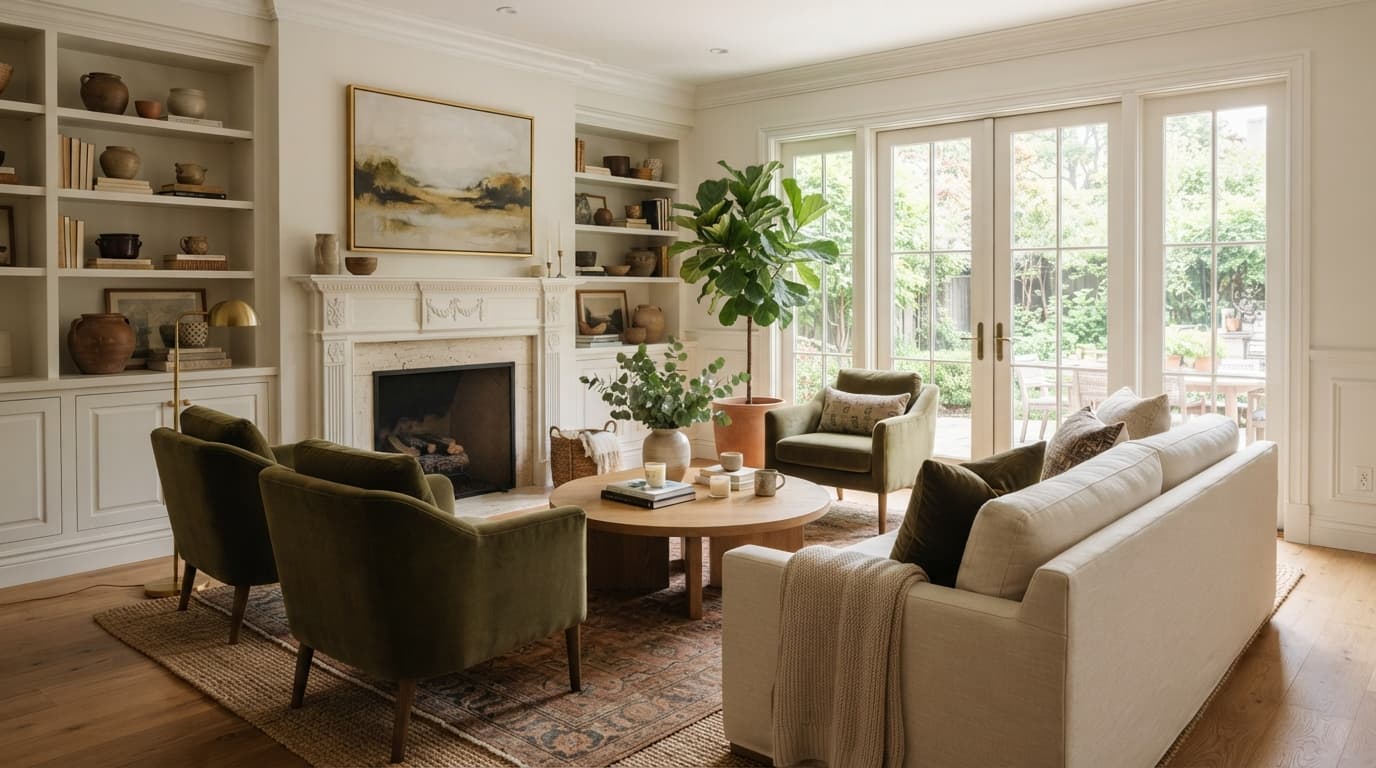
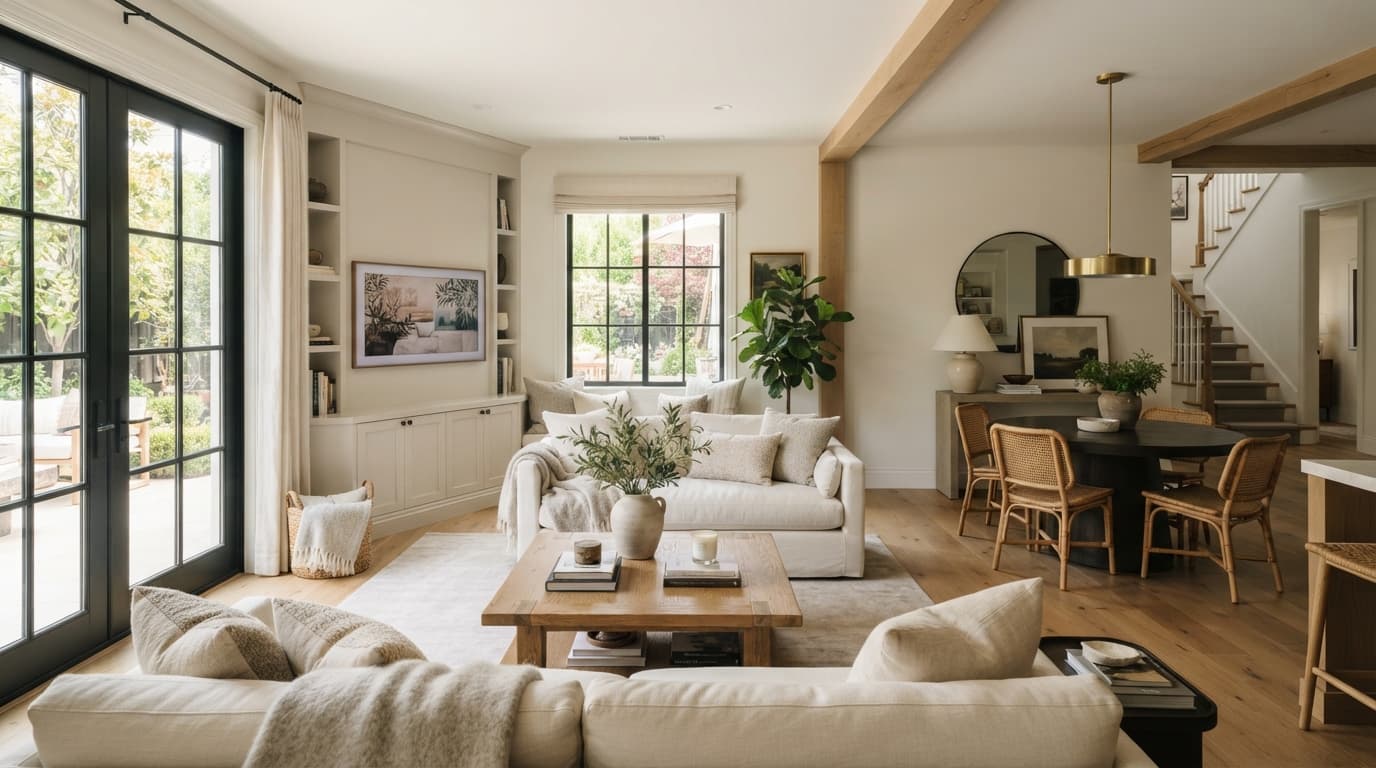
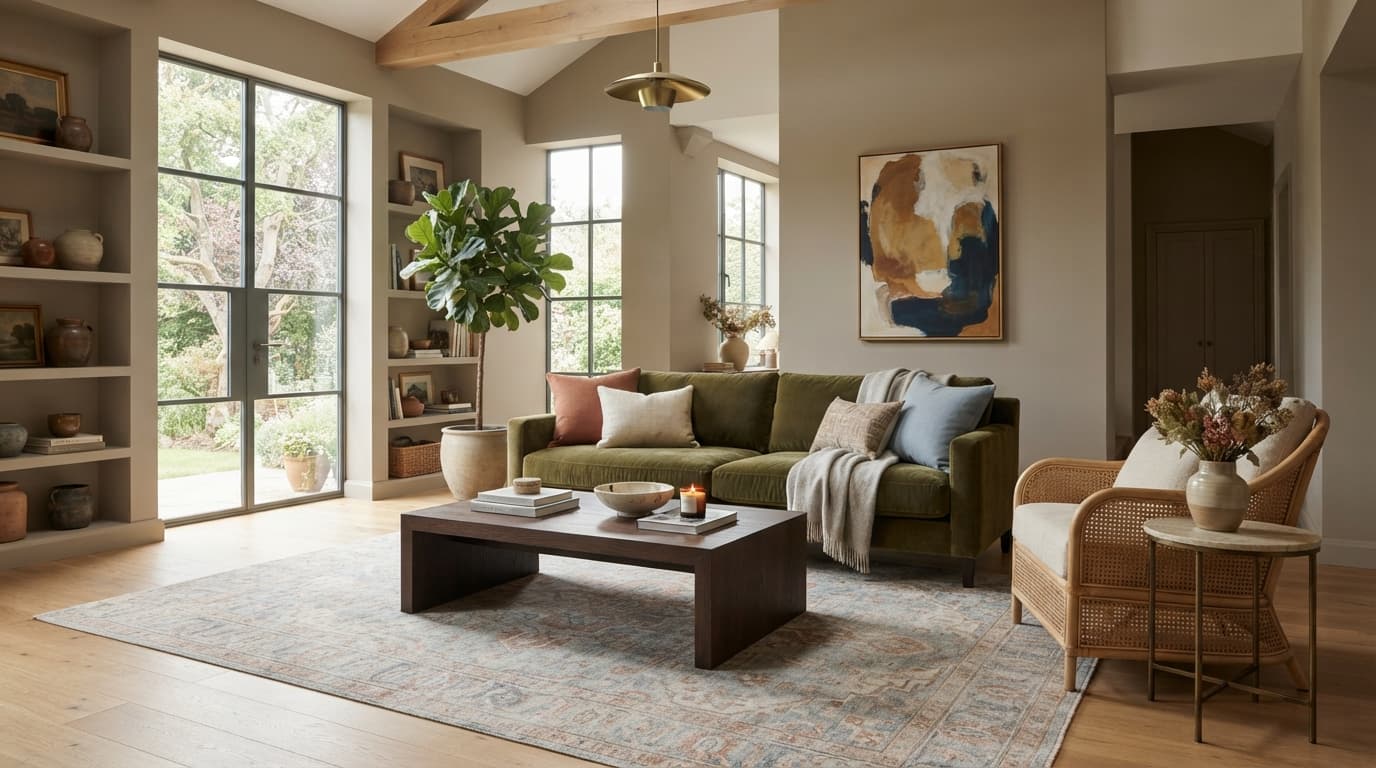
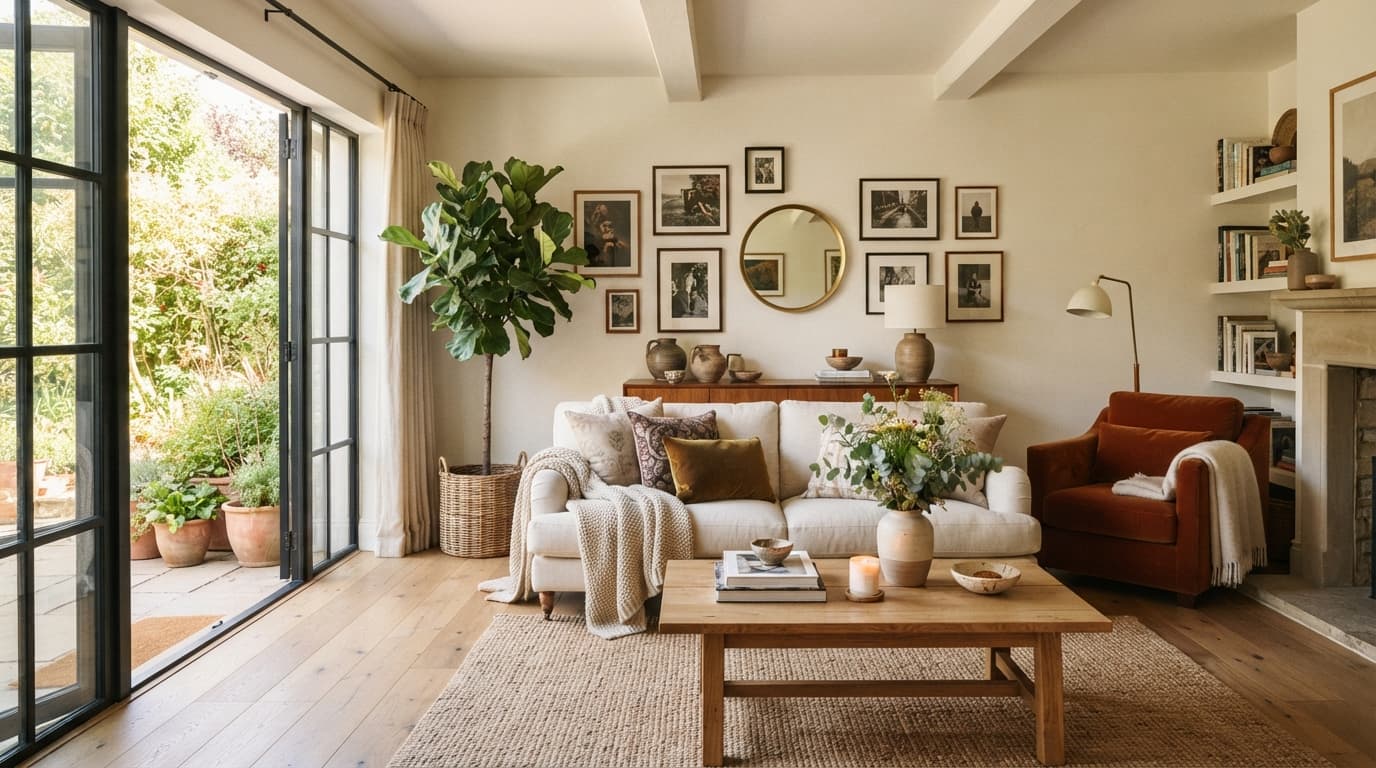
Styling a living room can feel like an overwhelming puzzle, especially when you’re staring at an empty space or a room that just doesn’t feel right — moving from that initial spark of an idea to the frustration of trying to make disparate pieces work together. The truth is, a well-styled living room isn't about expensive furniture or following every trend; it's about understanding the fundamentals and making deliberate choices that serve your life and your aesthetic.
Forget the perfectly curated Instagram feeds for a moment. This guide is a practical roadmap, explaining not just what to do, but why these decisions matter, so you can create a living room that truly feels like home.
1. The Foundation: Start with Your Sofa
Every great living room begins with the main seating. This is usually your sofa, and its size, style, and material will dictate much of the room's overall feel and functionality.
Sizing and Layout: Before you even think about buying, measure your room. Seriously, get out the tape measure. Consider the primary pathways – you need at least 3 feet (about 90 cm) of clear walking space in main traffic areas.
- Sofa vs. Sectional:
- Sofa: A traditional three-seater sofa (typically 84-96 inches long) paired with one or two accent chairs offers flexibility. It's a reliable choice for medium-sized rooms (say, 12x15 feet or smaller) or if you like to rearrange frequently — it allows for more varied seating arrangements and prevents a room from feeling overly dominated by one large piece. Take a look at how to choose the right sofa for your living room for more in-depth advice.
- Sectional: For larger rooms or open-concept spaces, a sectional can define zones and provide ample seating. When choosing a sectional, ensure it doesn't block crucial doorways or walkways. For a truly comfortable experience, aim for at least 100-120 inches on the long side for a typical chaise sectional. If you're working with a smaller footprint, don't despair – there are plenty of smart sectional sofa for small living room options that maximize seating without overwhelming the space.
- Arm Height and Depth: Don't overlook these details. Low arms and shallower depths (around 36 inches) can make a sofa feel less bulky, which is a great trick for how to design a small living room. Deeper sofas (40+ inches) are amazing for lounging but demand more floor space.
Material Choices: This is where aesthetics meet reality.
- Performance Fabrics (e.g., Crypton, Sunbrella indoor options): If you have kids, pets, or enjoy a glass of red wine on the sofa, these are non-negotiable. They repel spills and are incredibly durable. Many brands now offer beautiful, soft performance velvets or linens that don't feel "plastic-y." You might pay a little more upfront (expect an extra $200-$500 for a sofa), but it's an investment worth making.
- Bouclé: Looks incredibly chic and adds amazing texture. However, it's a nightmare if you have pets with claws or anything that snags easily — it needs to be treated with care. If low maintenance is a priority, skip it for the main sofa.
- Leather: Durable, develops a beautiful patina, and can be easy to wipe clean. Full-grain aniline leather is soft and luxurious but prone to scratching and staining. Protected or corrected-grain leather is more forgiving. While it can be pricier, a good leather sofa can last decades. Just be aware it can feel colder in winter and stickier in summer compared to fabric. Mixing materials often works beautifully – a fabric sofa with a leather accent chair adds depth and interest.
2. Anchoring the Room: The Rug Rule
This is probably the most common mistake people make, and it completely throws off the scale of a room: using a rug that is too small.
- The Non-Negotiable Rule: For a typical living room, a 9x12 rug under a sectional or a large sofa with two chairs is not just a suggestion – it’s a requirement. If your sofa is floating in the middle of the room, you want at least the front two legs of all primary seating (sofa, accent chairs) to be on the rug. If your sofa is against a wall, the front two legs should still be on the rug, and the rug should extend past the ends of the sofa by at least 6-12 inches on each side.
- Why it Matters: A small rug makes your furniture look like it's floating aimlessly. A large rug grounds the space, defines the living area, and makes the room feel cohesive and intentional. Think of it as drawing the boundaries of your conversational zone.
- Common Sizes and When to Use Them:
- 5x7 or 6x9: Save these for bedrooms with a full-size bed or small reading nooks.
- 8x10: Can work for a smaller apartment living room with a two-seater sofa and one small chair, where all furniture legs can't realistically go on the rug, but you can get at least the front legs of the sofa and chair on.
- 9x12 or larger: The sweet spot for most standard living rooms with a three-seater sofa and two accent chairs, or a full-size sectional.
- Material Considerations:
- Wool: Durable, soft, natural fiber. Great for high-traffic areas. Can shed initially. Mid-range to high price.
- Jute/Sisal: Natural, textural, great for layering. Can be rough underfoot. Good for bohemian or coastal styles. Lower price point.
- Synthetic (Polyester, Polypropylene): Excellent for stain resistance and durability. Often softer than natural fibers at a lower price. Can sometimes look less luxurious.
- Layering: For added visual interest or to cover a larger area on a budget, consider layering a smaller, patterned rug over a larger, neutral jute or sisal rug.
3. Smart Side Tables and Coffee Tables
These pieces are more than just surfaces for your remote control and drinks; they contribute to the room's balance and flow.
Coffee Table Sizing and Placement:
- Length: Aim for a coffee table that is approximately two-thirds the length of your sofa. For an 8-foot sofa, a 60-inch coffee table is ideal.
- Distance: Maintain about 18 inches between the edge of your sofa and the coffee table. This allows for comfortable reach and leg room. Any less and it feels cramped; any more and it's a stretch.
- Height: The coffee table should be roughly the same height as your sofa's seat cushion, or no more than 1-2 inches lower.
Beyond the Basic Rectangle:
- Nesting Tables: A great solution for smaller spaces, offering flexible surface area when needed and tucking away neatly otherwise. They also add visual interest.
- Ottomans: A plush ottoman can serve as a coffee table (just add a sturdy tray!) and double as extra seating or a comfortable footrest. Choose one with internal storage for bonus points.
- C-Tables: These are fantastic next to chairs or even tucked over the arm of a sofa, providing a convenient surface without taking up much floor space.
- Materials: Mix it up! If your sofa is upholstered, consider a coffee table in wood (solid oak, walnut, mango wood) or metal (brass, black steel). Marble or travertine adds a touch of sophistication but remember they require coasters and can stain. For family-friendly options, a solid wood or even upholstered coffee table is often a better bet than glass if you have toddlers.
Side Tables: Every seat should have access to a surface — really. This could be a traditional end table, a C-table, or even a small garden stool. Pay attention to the height; the top of the side table should be roughly level with the arm of the seating it's serving.
4. Lighting That Works (and Looks Good)
Good lighting is transformative. It's not just about visibility; it's about mood, depth, and making a room feel inviting. The key is a layered approach to lighting.
- Ambient Lighting: This is your general, overhead light. A stylish pendant or flush mount fixture can be a sculptural element even when turned off. On a dimmer switch, it sets the overall tone for the room. Aim for warm white bulbs (2700K-3000K) for a cozy atmosphere.
- Task Lighting: This is focused light for activities like reading. Think floor lamps next to your sofa or accent chairs, or table lamps on your side tables. An arc floor lamp over a sectional is both functional and makes a statement.
- Accent Lighting: This highlights specific features, like a piece of art or a textured wall. It adds drama and depth. Small picture lights or wall sconces can serve this purpose.
Placement is Key: Distribute your light sources evenly around the room. Avoid having just one harsh overhead light. Aim for a minimum of three light sources in a living room: one overhead, one floor lamp, and one table lamp. If you have an L-shaped sectional, you might want a floor lamp on one end and a table lamp on the coffee table or a side table on the other.
5. Curating Your Accent Pieces: Art, Pillows, Decor
This is where you inject personality and complete the room. Resist the urge to buy everything from one store or one trip. A living room feels most "lived-in" and authentic when it's gathered over time.
Pillows: These are the easiest way to add texture, pattern, and color.
- The Mix: Mix solids, textures (like velvet, linen, chunky knit), and patterns (geometric, floral, abstract). Use a maximum of two patterns to avoid visual chaos.
- The Number: For a standard three-seater sofa, 3-5 pillows is usually right. A sectional can handle 5-7. Avoid pillow overload – you should still have room to comfortably sit!
- Inserts: Upgrade cheap pillow inserts to feather-down ones. They chop beautifully and make even inexpensive covers look high-end.
Art: Art is deeply personal, but its placement and scale are universal.
- Scale: A common mistake is art that's too small. For a large blank wall over a sofa, a single large piece (at least two-thirds the length of the sofa) makes a powerful statement. Alternatively, a gallery wall done right can be incredibly effective, but plan it out first (tape out the arrangement on the floor).
- Height: Center art at eye level (for an average person, around 57-60 inches from the floor to the center of the piece). Over a sofa, the bottom of the frame should be 6-8 inches above the back of the sofa.
- Personal Touch: Don't feel pressured to buy expensive art. Prints, photographs, textiles, or even your children's framed drawings can be meaningful and stylish.
Decor and Styling Surfaces: This is where the "rule of three" often comes into play, but it's more of a guideline for balance.
- Coffee Table Styling: Use a tray to corral smaller items – a stack of interesting books, a small plant or vase, and a decorative object (like a stone sphere or a wooden bead garland). Leave some empty space for functionality.
- Shelves/Consoles: Mix vertical and horizontal elements. Include books, small framed photos, plants, and sculptural objects. Vary heights and textures.
- Plants: Greenery instantly brings life into a room. Choose plants appropriate for your light conditions. Large floor plants (Fiddle Leaf Fig, Monstera, Snake Plant) can fill awkward corners, while smaller tabletop plants add freshness to surfaces. Don't forget stylish planters – they're part of the decor!
6. Adding Personality and Functionality
Your living room should reflect who you are and function seamlessly for your daily life.
- Storage Solutions: Clutter can quickly detract from even the most beautiful design.
- Media Consoles/Credenzas: Choose one that is wider than your TV for a balanced look. Internal drawers or cabinets are perfect for hiding remotes, cables, and media devices.
- Baskets: Woven baskets are excellent for stashing blankets, magazines, or kids' toys quickly. Place them strategically next to seating or under console tables.
- Bookcases/Shelving: Not just for books, but a great way to display curated decor and personal items.
- Throws: A soft throw draped casually over the arm of a sofa or the back of a chair adds instant coziness and texture. Choose one in a complementary color or a contrasting texture (e.g., a chunky knit with a sleek leather sofa).
Common Styling Mistakes to Avoid
- Buying the "Matching Set": Please, for the love of good design, don't buy a sofa, loveseat, and armchair all from the same collection in the same fabric. It's often visually heavy and lacks character. Mix and match styles, materials, and colors for a more sophisticated and layered look — pair a modern sofa with a vintage-inspired armchair, for instance.
- Poorly Placed or Too-Small Rugs: We covered this, but it bears repeating. It's the most common and easily fixable styling misstep.
- Ignoring Scale: A tiny accent chair in a cavernous room, or an enormous sectional crammed into a small one. Every piece should feel proportional to the space it occupies.
- Lack of Personality: Your living room isn't a showroom. Incorporate things you love – heirlooms, travel souvenirs, books, art that speaks to you. These layers are what make a house a home.
- Bad Lighting: Relying on a single overhead light creates a flat, unwelcoming atmosphere. Invest in layered lighting with dimmers.
Styling a living room is a journey, not a destination. It's about experimenting, living with your choices, and refining them over time. You don't have to nail it all at once. Start with the big pieces, then layer in the details.
If you're feeling stuck, remember that visualizing furniture in your room before you buy it can save you a lot of headache (and returns!). That's exactly what Roomellow helps you do. You upload a photo of your room, and our AI will generate redesigns with real, purchasable furniture from various furniture stores, so you can see exactly how a new sofa or a different rug would look in your actual space. It’s like having a design assistant at your fingertips, making those big decisions a little less daunting. Ready to give it a shot? Try it yourself.
Ready to redesign your room?
Upload a photo of your room and get a professional AI redesign with real furniture you can buy. Free to try — no credit card required.
Try Roomellow free