Discover Furniture Trends 2026: Comfort, Nature & Lasting Style
Looking for lasting furniture trends 2026? Discover how to blend comfort, natural materials & biophilic design into your sanctuary. Get inspired now!
By Roomellow Team
As an interior design writer, I spend a lot of time looking at what's new, what's next, and what's truly worth investing in for our homes. When it comes to "furniture trends 2026," I'm not interested in fleeting fads that will look dated by next season. My focus, and Roomellow's mission, is about identifying shifts that resonate, pieces that have staying power, and ways to build a home that feels both current and authentically you.
The past few years have taught us a lot about what we value in our living spaces. Comfort, functionality, and a connection to nature have moved from niche desires to fundamental needs. As we look ahead to 2026, these pillars are not just holding strong; they're evolving into more refined, sophisticated forms.
So, let's talk about the furniture trends I'm seeing emerge for 2026 – the ones I believe are worth your attention, your budget, and a spot in your home.
1. Elevated Comfort & Biophilic Design: Beyond the Buzzwords
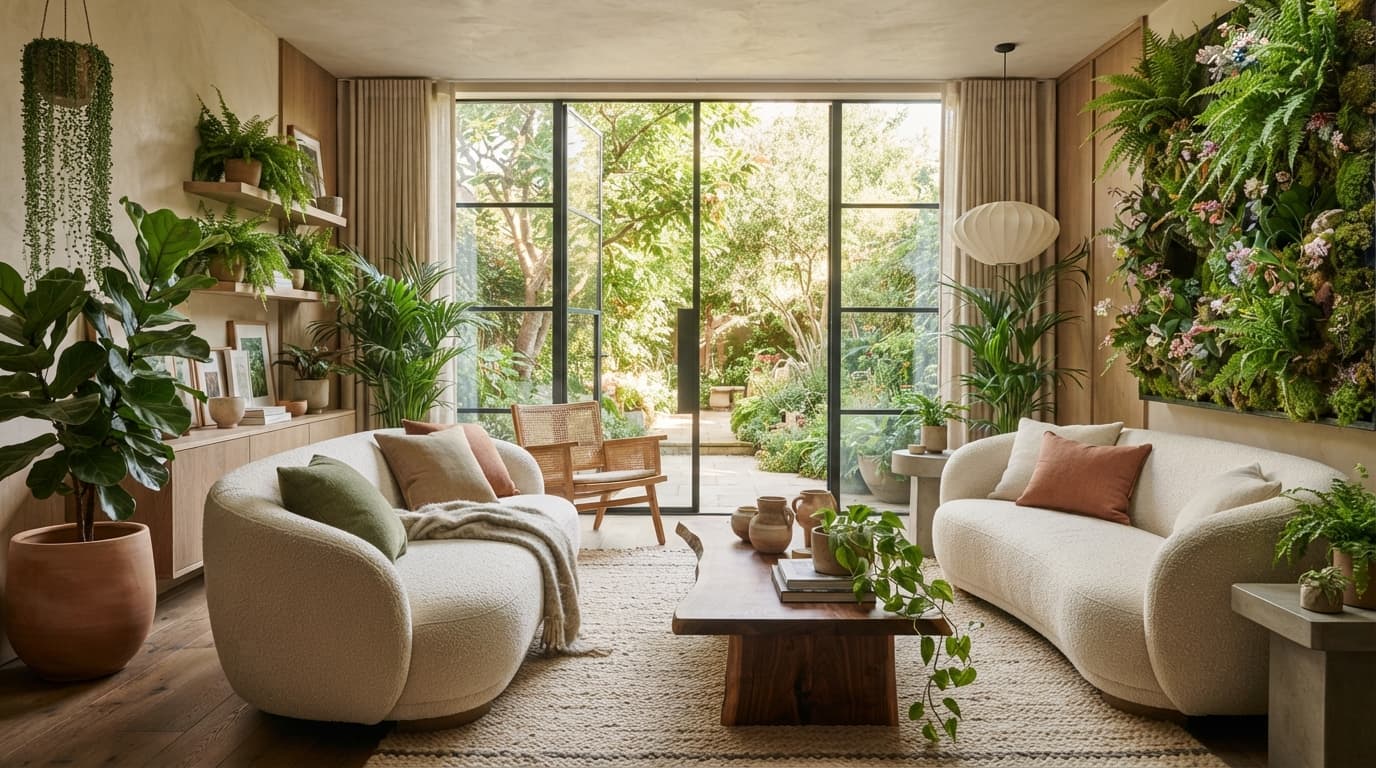
This isn't just about throwing a plant in the corner anymore. For 2026, elevated comfort and biophilic design are merging into a holistic approach that prioritizes our well-being through intentional furniture choices and a deep connection to the natural world.
What it is: Think soft, organic shapes, plush textures, and a dominant use of natural materials like light woods (white oak, maple), linen, wool, and rattan. It’s about creating spaces that feel inherently calm, welcoming, and almost tactilely inviting. The lines are softer, the edges are rounded, and there's a generosity in proportion that speaks to true relaxation.
Why it works: Our homes are our sanctuaries. After years of hyper-connected, often stressful lives, we're craving spaces that actively de-stress us. This trend taps into our innate desire for comfort and our evolutionary pull towards nature. It’s about creating an antidote to the digital world, a place where you can truly unwind and feel grounded.
How to bring it into your home:
- Curved sofas and seating: This is non-negotiable for capturing the organic feel. Look for sofas with gentle curves on the arms or back, like the Pacifica from Crate & Barrel or many options from Article. A good quality curved sectional can run from $2,500 to $5,000, but it immediately softens a room. If a full sofa is too much, try an oversized armchair with a rounded silhouette, upholstered in a soft boucle or textural linen.
- Natural wood pieces: Swap out harsh metallics or dark, heavy woods for lighter tones like white oak or natural maple. A substantial white oak coffee table (often $800-$1800 from stores like West Elm or CB2) instantly grounds a space in natural warmth. Consider fluted wood details on cabinets or consoles for added texture.
- Layered natural textiles: Think chunky knit throws in wool or organic cotton, linen curtains that pool slightly on the floor, and rugs made from jute, sisal, or wool. These layers add depth and a sense of plushness. A 9x12 wool rug, a non-negotiable for anchoring a living room, can range from $700-$2,000 depending on the weave and brand.
- Abundant greenery: Beyond just a few potted plants, integrate large, statement plants like a Fiddle Leaf Fig or an olive tree. Consider a living wall if you’re ambitious, or simply group several plants of varying heights.
- Maximize natural light: Heavy, dark drapes are out. Opt for sheer linen or cotton curtains, or even go bare on windows where privacy isn't an issue, to let as much sunlight flood in as possible.
My honest take: This isn't just a trend; it's a fundamental shift. We've collectively realized how much our surroundings impact our mood and well-being. While specific textures like boucle might cycle in popularity (more on that below), the underlying principles of comfort, natural materials, and biophilic connection are here to stay. It's an investment in your peace of mind.
A note on boucle: Boucle looks incredible, adding a luxurious, cloud-like texture. But it's also a nightmare if you have pets that shed or tiny humans prone to spills. It tends to snag, attract lint, and can be tricky to clean. If you love the look, consider it for a low-traffic accent chair or ottoman, or opt for a performance fabric that mimics boucle's texture without the maintenance headache. Many furniture stores now offer a variety of "performance boucle" options.
2. Quiet Luxury & Understated Elegance: Investing in Longevity
The pendulum swings away from flashy, logo-heavy aesthetics in fashion, and it's doing the same in furniture. For 2026, "quiet luxury" in home furnishings means investing in pieces that speak through their quality, craftsmanship, and enduring design, rather than overt trendiness.
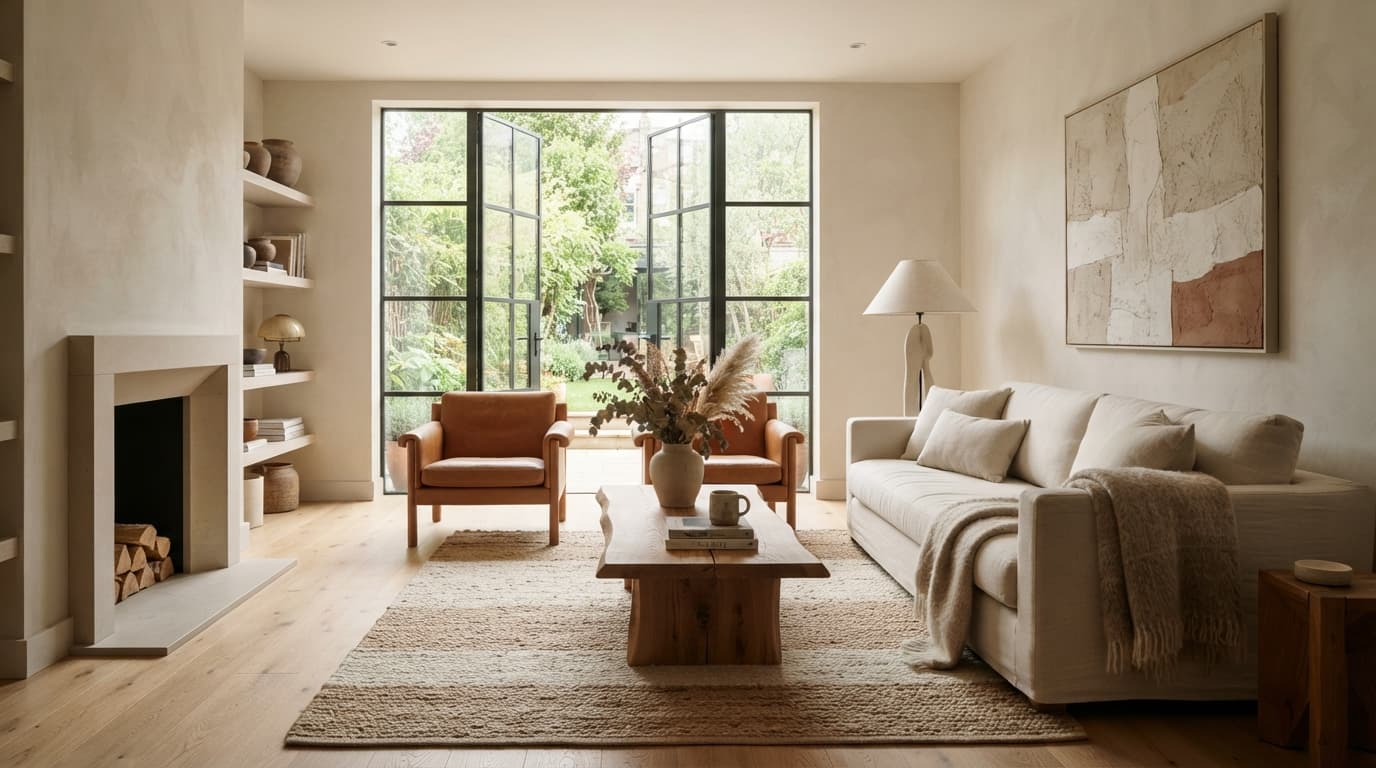
What it is: This trend champions high-quality materials, subtle textures, and classic, tailored silhouettes. The color palette leans towards sophisticated neutrals – warm creams, soft taupes, muted greys, and deep charcocoals – allowing the form and material to take center stage. It’s about feeling expensive and well-made without shouting it, focusing on longevity and timelessness.
Why it works: In an era of disposable goods and ever-changing trends, there’s a growing appreciation for pieces that last. This approach encourages a more mindful consumption, prompting us to choose wisely and invest in furniture that will stand the test of time, both structurally and aesthetically. It creates a serene, refined backdrop that allows personal style to emerge through art and thoughtful accessories.
How to bring it into your home:
- Tailored upholstery in performance fabrics: A sofa with clean lines, firm cushions, and meticulous stitching is key. Choose upholstery in sophisticated neutrals – think a charcoal performance velvet or a cream-colored textured linen blend. Performance fabrics (like Crypton or Sunbrella, often adding $300-$800 to a sofa's cost) are a smart investment here, as they offer durability and stain resistance without sacrificing softness. Look at brands like Maiden Home or Room & Board for inspiration on these types of pieces.
- Solid wood casegoods with thoughtful details: Opt for dressers, credenzas, and side tables crafted from solid walnut, white oak, or teak. The focus is on clean lines, smooth finishes, and subtle details like dovetail joinery or elegant hardware. A well-made solid wood dresser can range from $1,500 to $3,500, but it will literally last a lifetime.
- Thoughtful lighting: Skip anything overly ornate or aggressively trendy. Instead, choose lighting that offers both form and function – perhaps a sculptural ceramic table lamp, a brass floor lamp with a linen shade, or recessed lighting that highlights architectural features. Quality lighting makes a huge difference in how a room feels.
- Minimalist, impactful decor: This isn't about clutter. Select a few truly special pieces – a unique vase, a piece of art that speaks to you, a well-curated stack of coffee table books. Each item should feel intentional and add to the room's serene ambiance. You can see this approach in action in many modern living room redesigns.
My honest take: This trend is less about fleeting fashion and more about a return to classic, quality design principles. It’s a smart way to approach furniture buying, ensuring your major pieces will look sophisticated for years to come. While the upfront investment might be higher, the long-term value and satisfaction are well worth it. This focus on enduring quality also aligns perfectly with our ability to visualize furniture in a room and ensure it's the right fit before committing.
3. Statement Sculptural Pieces & Artistic Forms: Furniture as Art
As our homes become more personalized, there’s a strong lean towards furniture that transcends mere function and enters the realm of art. In 2026, expect to see more pieces that are boldly sculptural, offering unique forms and acting as focal points in a room.
What it is: This trend is about incorporating furniture with distinct, artistic shapes – think wavy mirrors, organically shaped coffee tables, or accent chairs that are more akin to sculpture. These pieces often feature unexpected materials or innovative designs, aiming to spark conversation and express individuality.
Why it works: In an increasingly curated world, people are looking for ways to inject personality and uniqueness into their homes beyond just decor. A sculptural piece breaks up the monotony of standard shapes, adds visual interest, and can define the aesthetic of an entire room. It's a way to make your home feel less "showroom" and more "gallery."
How to bring it into your home:
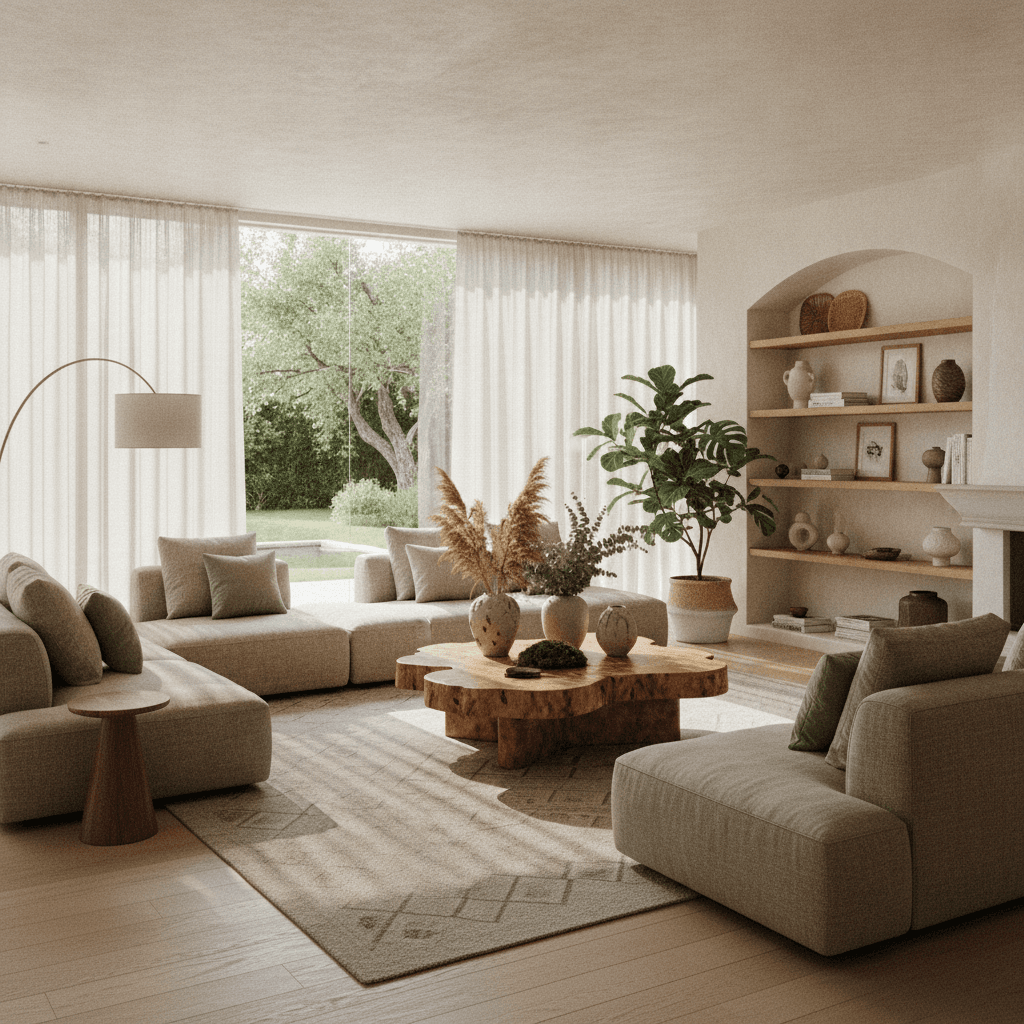
- The sculptural coffee table: This is perhaps the easiest entry point. Instead of a traditional rectangle or square, consider a table with an irregular top, a unique pedestal base (perhaps in travertine or marble), or a multi-level design. Stores like CB2, Article, and even some smaller artisan shops offer incredible options ranging from $600 to $2,000. Just be sure it’s still functional for your needs. For more ideas, check out our guide on coffee table ideas.
- An accent chair with flair: Choose an accent chair that truly stands out. Maybe it has a dramatically curved back, an unusual leg design, or an unexpected material combination. This can be a high-impact piece in a living room or bedroom. Anthropologie and Arhaus often have great options, generally in the $800-$2,000 range. Read up on finding the right one in our post on an accent chair modern living room makeover.
- Artistic consoles or sideboards: Look for pieces that play with geometry, texture, or asymmetry. A console with fluted details, a reeded finish, or a unique leg structure can transform a hallway or dining area.
- Wavy or organic mirrors: These are a fantastic way to add a soft, artistic touch without committing to a large furniture piece. They reflect light beautifully and add a playful, modern feel.
My honest take: While specific sculptural forms might come and go, the desire for unique, artful pieces is enduring. This trend empowers you to treat your furniture as an extension of your personal art collection. The key is balance: one or two strong sculptural pieces can elevate a room, but too many can make it feel cluttered and disjointed. Use Roomellow to design your room with real furniture and see how these bold pieces interact with your existing decor.
4. Smart Integration & Hidden Functionality: The Seamless Home
Our lives are increasingly multi-faceted, and our furniture needs to keep up. For 2026, smart integration and hidden functionality are not just about tech, but about furniture working harder and smarter to support a decluttered, efficient, and flexible lifestyle.
What it is: This trend encompasses furniture that serves multiple purposes, incorporates technology subtly, or maximizes space in ingenious ways. Think modular systems that adapt to changing needs, built-in charging solutions, and clever storage that keeps clutter out of sight. It's about furniture that simplifies life without compromising on style.
Why it works: As living spaces sometimes shrink, and our need for versatility grows, furniture that pulls double duty is invaluable. It helps maintain a sense of calm by reducing visible clutter and supports a more fluid way of living, whether you're working from home, entertaining, or simply relaxing.
How to bring it into your home:
- Modular sectional sofas: These are fantastic because you can reconfigure them to fit different room layouts or changing needs. Brands like Albany Park and Lovesac offer customizable sections, allowing you to create anything from a large L-shape to separate seating areas. Prices typically range from $2,000-$5,000 for a quality modular system. This is especially helpful for how to design a small living room.
- Storage beds and ottomans: A bed with integrated drawers underneath or a lift-up platform provides invaluable storage, particularly in smaller bedrooms. Similarly, ottomans with hidden compartments are perfect for stashing blankets, remotes, or magazines, keeping your living room tidy. These can be found at most major furniture stores, with beds starting around $800 and ottomans from $150. For more on maximizing space, check out our small bedroom decorating ideas.
- Integrated charging and smart features: Look for nightstands, side tables, or even sofas with built-in USB ports or wireless charging pads. While not a necessity, it's a convenient feature that minimizes cable clutter. Some higher-end recliners even offer discreet power controls.
- Foldable or convertible desks/tables: If you're tight on space but need a dedicated workspace, consider desks that fold away into a cabinet or dining tables that can extend to accommodate guests.
My honest take: This is a permanent evolution in furniture design. Our homes are not static, and our furniture needs to adapt. While the "smartest" tech integrations might change, the core principle of multi-functional, space-saving design is an absolute must for modern living. Always test the functionality in person if possible, or use Roomellow to envision how a piece like a sectional sofa for small living room could truly fit.
5. Earthy Tones & Warm Neutrals: Embracing the Grounded Palette
The reign of cool greys is officially waning. For 2026, we’re firmly stepping into a warmer, more grounded color palette that perfectly complements the biophilic and quiet luxury trends.
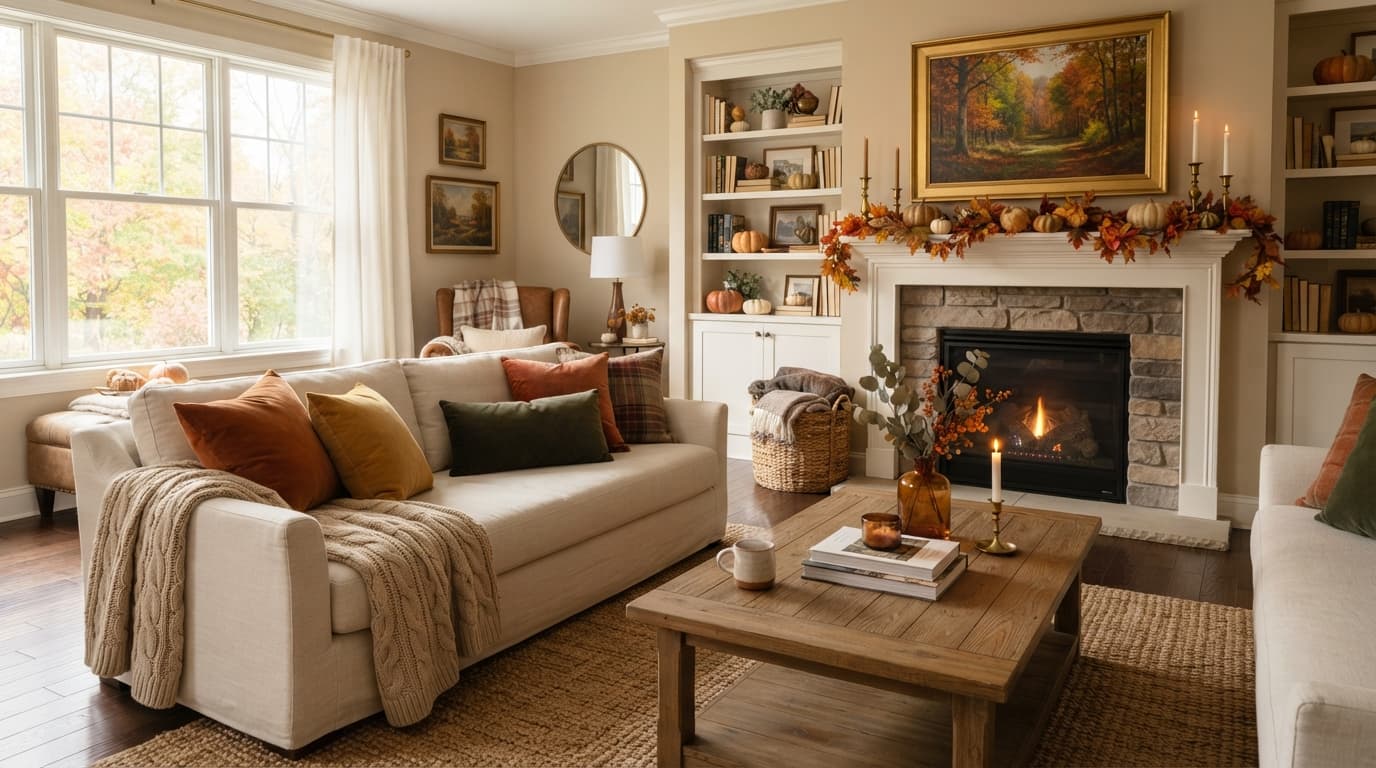
What it is: This trend embraces rich, earthy tones like terracotta, rust, deep olive green, muted sage, and warm beiges and creams. It’s about creating a cohesive, inviting atmosphere through color, often with splashes of deeper, more saturated hues to add depth without being overwhelming. Think colors found in natural landscapes – soil, foliage, sunsets.
Why it works: These colors evoke a sense of calm, warmth, and connection to nature. They feel less sterile and more comforting than the cooler palettes we’ve seen in recent years. They provide a sophisticated backdrop that feels both serene and inviting, making a room feel inherently grounded.
How to bring it into your home:
- Major upholstery pieces: Consider a sofa in a rich olive green velvet or a deep rust-colored linen. Joybird offers many customizable options in these bolder, warmer tones, often starting around $2,000. These colors are impactful without being garish.
- Textiles and accessories: This is an easy way to dip your toes into the trend. Layer throw pillows in a mix of terracotta, cream, and sage. Add a woven blanket in a deep rust. Look for ceramic vases or pottery in unglazed, earthy finishes.
- Rugs with subtle patterns: Choose rugs that incorporate these warm neutrals and earthy tones. A patterned wool rug with abstract shapes in beige, cream, and a hint of dusty rose or terracotta can beautifully tie a room together.
- Accent walls and paint colors: A feature wall painted in a warm sage green or a soft, clay-like terracotta can transform the mood of a room. Even painting trim in a slightly warmer off-white can make a huge difference. For inspiration, check out our article on bedroom color ideas.
My honest take: This color shift is more than just a trend; it's a significant movement towards creating warmer, more inviting homes. It pairs perfectly with natural materials and the desire for comfort. While the exact shades might evolve, the underlying preference for warm, earthy palettes is deeply rooted and will be a major player in home design for years to come.
My Design Philosophy for 2026 and Beyond
Ultimately, the best "trend" is always designing a home that genuinely reflects you and supports your lifestyle. For 2026, my advice is to focus on quality over quantity, choose pieces that resonate with these enduring themes of comfort, quality, and natural connection, and don't be afraid to mix and match.
A home should tell your story, not a store's. Start with the pieces you genuinely love, prioritize comfort and functionality, and then layer in elements that speak to these emerging trends in a way that feels authentic to you.
And if you're wondering how a new curved sofa would look in your living room, or if that sculptural coffee table really fits your space, remember you can always upload your room photos to Roomellow and try it yourself. We make it easy to visualize real furniture from various stores in your actual room, helping you make confident design decisions.
Ready to redesign your room?
Upload a photo of your room and get a professional AI redesign with real furniture you can buy. Free to try — no credit card required.
Try Roomellow free