Home Decor Trends 2026: Enduring Style & Quiet Luxury
Explore the top home decor trends 2026 emphasizing enduring style, comfort, and quiet luxury. Create a deeply personal space that lasts. Read more to transform your home!
By Roomellow Team
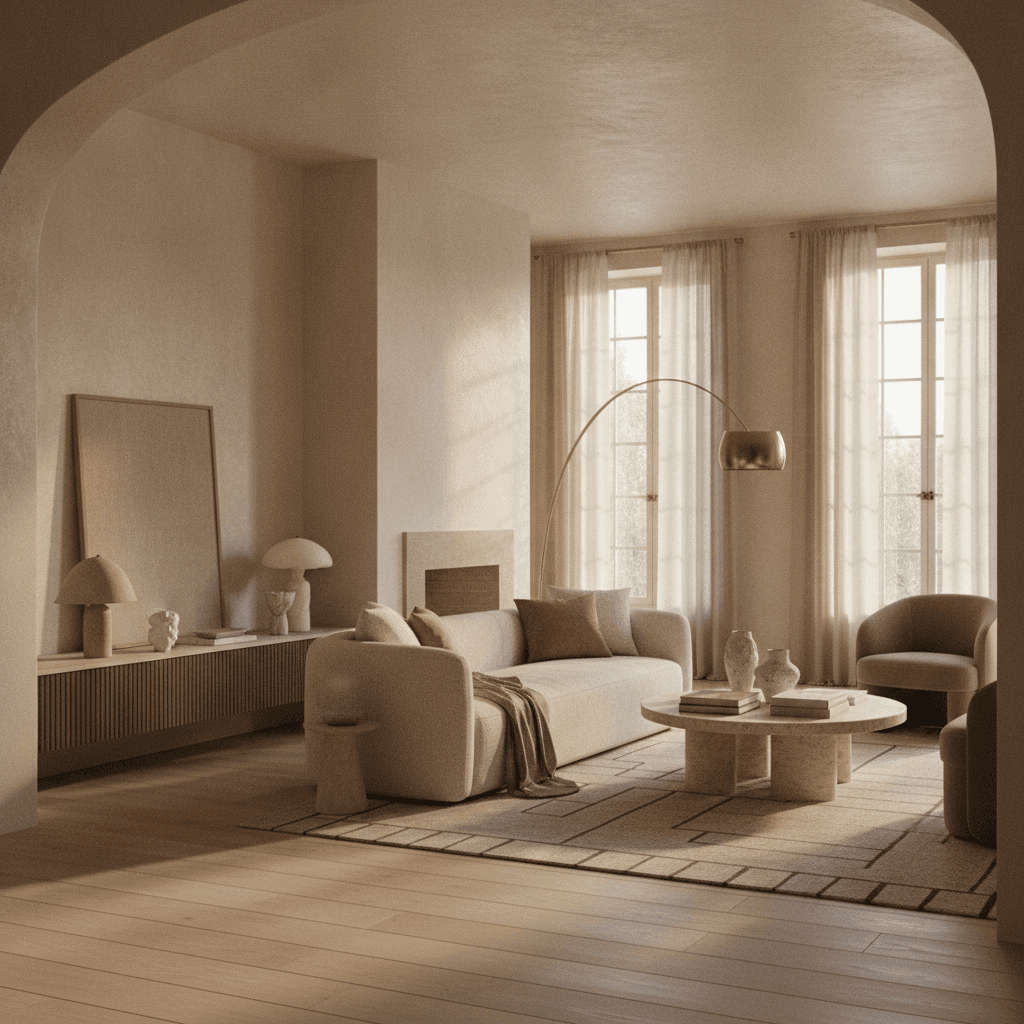
2026's biggest home decor shift isn't a single look — it's a return to durable, considered design. We're moving beyond stark minimalism and overt farmhouse, toward quiet luxury, sculptural forms, earthy palettes, textured walls, and personalized eclecticism. Quality over quantity. Sensory experience over staging. Pieces you'll love for years, not seasons.
Here are the five trends I see defining 2026, my honest take on why each matters, and how to bring them into your own space.
Quiet Luxury & Understated Elegance
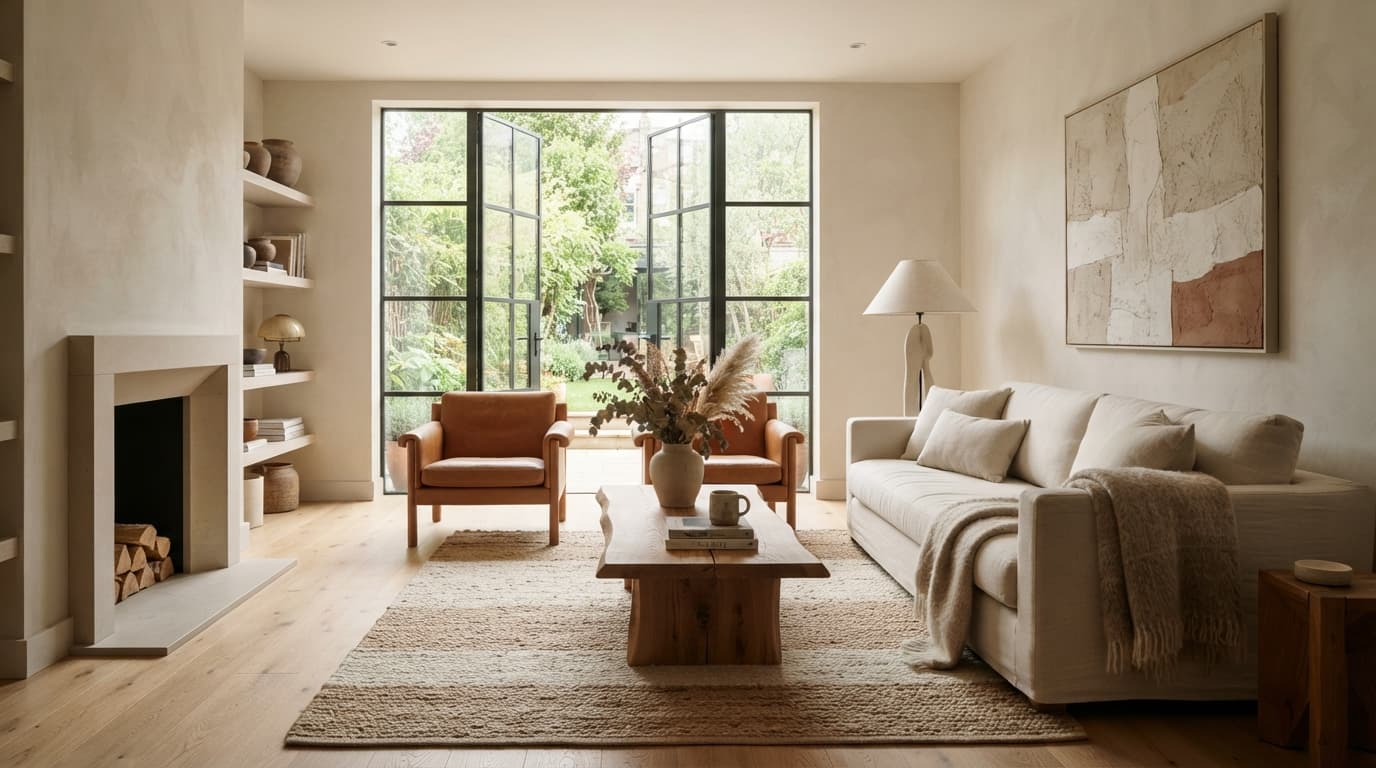
This isn't about ostentation or "bling" – quite the opposite. Quiet luxury is the rejection of flashy labels and disposable fast furniture in favor of genuinely well-made pieces, luxurious textures, and a sophisticated, subtle palette. Think of it as investing in fewer, better things that whisper quality rather than shout about it. The goal is a sense of calm, comfort, and timelessness.
Why it works: In a world that often feels chaotic and overstimulating, our homes are becoming our refuges. Quiet luxury delivers this by focusing on tactile comfort and visual serenity. It’s about building a foundation that feels incredibly good to live with, year after year, and avoids the need for constant updates. You're buying pieces that are designed to last, both structurally and aesthetically.
How to bring it home:
- Invest in Quality Materials: This is non-negotiable. Swap out anything flimsy for natural materials like solid wood (white oak, walnut are still incredibly strong), linen, wool, cashmere, and unlacquered brass or bronze. Look for sofas with down-blend cushions (like the kind you find at Crate & Barrel or Restoration Hardware, often starting around $3000 for a three-seater) or well-constructed pieces from brands like Article or West Elm. For textiles, a chunky knit throw in merino wool or a heavy linen duvet cover from brands like Parachute or Coyuchi will instantly elevate the feel of a room more than any brightly colored accent pillow.
- Embrace Muted Palettes: Think warm greys, soft whites, creamy beiges, and subtle earth tones. These colors provide a sophisticated backdrop that allows textures and forms to shine. Consider a monochromatic scheme with variations in tone and texture – a light grey linen sofa, a slightly darker grey wool rug (a 9x12 wool rug, perhaps from Pottery Barn or Ruggable, can range from $800 to $2000), and a white oak coffee table. This approach ensures cohesion without being boring.
- Focus on Classic Silhouettes: Skip anything too trendy or "of the moment." Opt for furniture with clean lines, comfortable proportions, and enduring shapes. A classic Chesterfield sofa, a Parsons console table, or a simple, well-proportioned club chair will always look good. When choosing a sofa, consider how it will look in five or ten years, not just next month. If you need guidance on what to look for, check out our insights on Expert Guide: Choose the Right Sofa for Your Living Room.
- Understated Art: Choose artwork that complements the space rather than dominates it. Abstract pieces with muted colors, landscape photography, or even simple line drawings work beautifully. Frame them simply, perhaps in thin wood or metal.
My honest take on longevity: This trend isn't really a trend; it's a return to classic, sustainable design principles. It’s about making mindful choices. While the initial investment can be higher – a solid wood dresser from a store like Room & Board might cost $2000 compared to an MDF version for $400 – these pieces will last longer, age better, and ultimately save you money and headaches down the road. It’s a foundational approach that I believe will only grow stronger.
Sculptural Forms & Organic Shapes
Say goodbye to harsh angles and overly geometric designs. 2026 is all about softening spaces with flowing lines, rounded edges, and forms inspired by nature. We’re seeing a rise in curvaceous sofas, oval coffee tables, and accent pieces that feel more like art than mere furniture.
Why it works: Organic shapes have a calming effect. They mimic natural forms, which our brains find inherently soothing. In a room, they break up visual monotony, create a sense of movement, and add sophistication without needing intricate patterns or bold colors. They invite touch and interaction, making a space feel more inviting and less rigid.
How to bring it home:
- Curved Furniture: A sofa with a gentle curve, like the Cloud Sofa from RH (often starting at $4000+ for a sectional) or similar styles from stores like Arhaus or even more accessible options from Castlery, can transform a living room. If a large sofa is too much, consider a pair of accent chairs with rounded backs (a bouclé chair, for example, can be found for $400-$800 at various stores like Lulu and Georgia or Wayfair).
- Oval or Round Coffee Tables: Instead of a sharp-edged rectangle, opt for a substantial oval or round coffee table. A solid wood oval table (like those from CB2 or West Elm, ranging from $700 to $1500) creates a softer flow, especially in front of a sectional. They are also much more forgiving in smaller spaces, as you’re less likely to bump into a sharp corner. We’ve got more ideas on Transform Your Living Room: Best Coffee Table Ideas & Tips if you're looking for inspiration.
- Statement Accessories: Look for ceramic vases with unique, organic forms, wavy mirrors, or sculptural lamps with mushroom caps or globe shades. These smaller pieces can make a big impact without requiring a full furniture overhaul.
- Architecture & Built-ins: For those undertaking larger renovations, consider incorporating arched doorways or alcoves, or designing built-in shelving with soft, rounded corners. This integrates the trend into the very bones of your home.
My honest take on longevity: Sculptural forms, particularly in larger furniture pieces, have a strong appeal right now and will likely continue to evolve. Classic mid-century pieces often featured these kinds of shapes, proving their staying power. However, be mindful of overly trendy interpretations (like certain excessively "blob-like" pieces). Choosing well-proportioned, thoughtful curves will ensure your space feels modern and refined for years, rather than dated.
A quick note on bouclé, which is often paired with these shapes: Bouclé looks incredible, offering amazing texture and softness, but it's a nightmare if you have pets. The loops easily snag and pull, and it attracts lint. For high-traffic areas or homes with furry friends, consider a performance fabric with a similar textured look but more durability, like a textured weave or a tightly woven chenille.
Earthy Palettes & Nature's Embrace
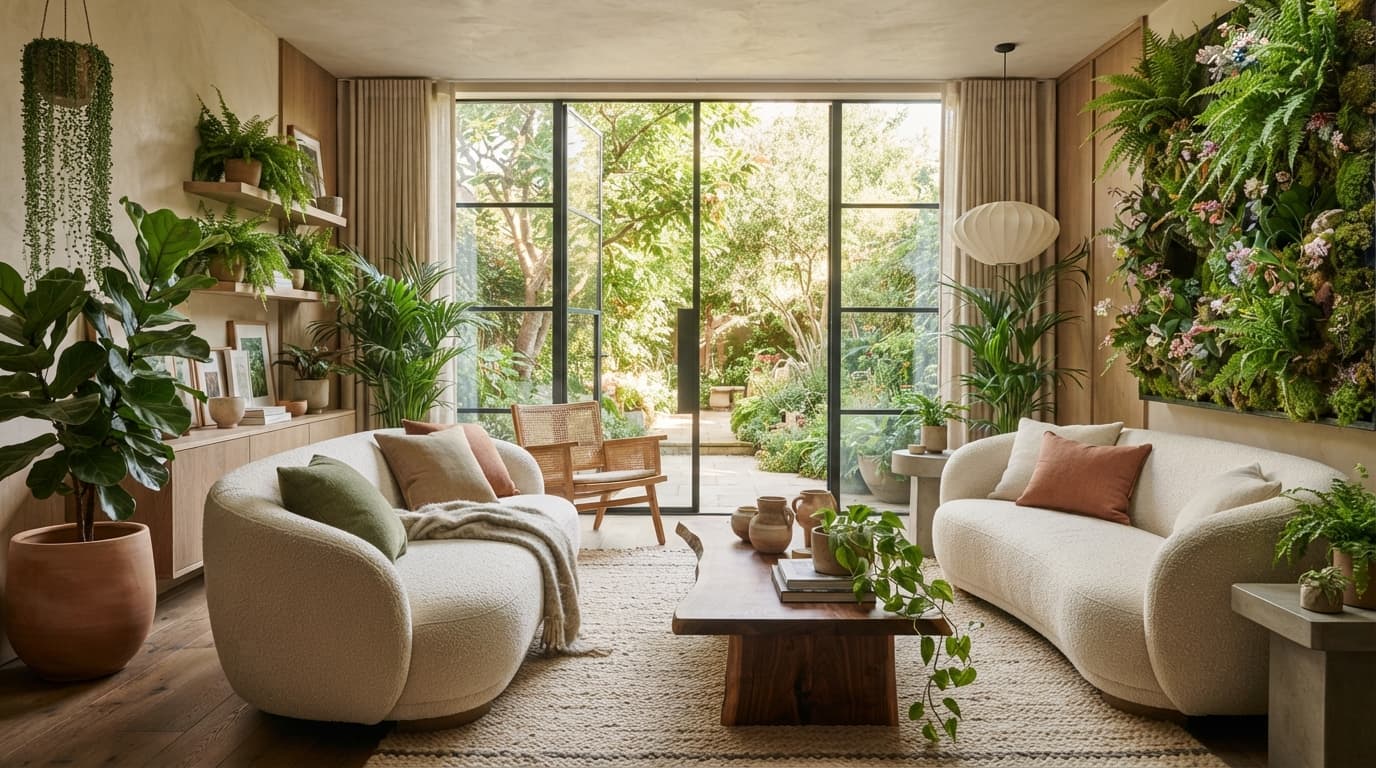
The connection to nature within our homes isn't new, but it's deepening. In 2026, this manifests not just through plants, but through an entire color story rooted in the natural world. We're talking rich, saturated greens, warm terracotta, sandy beiges, deep browns, and muted blues. It’s about creating an atmosphere that feels grounded, serene, and restorative.
Why it works: Biophilia – our innate human tendency to connect with nature – is a powerful force. Bringing natural elements and colors indoors helps reduce stress, improve mood, and create a sense of well-being. These palettes are inherently calming and versatile, providing a backdrop that feels both sophisticated and utterly livable.
How to bring it home:
- Paint with Purpose: Consider a feature wall in a deep moss green (like Sherwin-Williams "Evergreen Fog" or Farrow & Ball's "Calke Green") in a living room or bedroom. Or, if you’re feeling bold, wrap an entire room in a soft, dusty terracotta or a warm taupe. These colors envelop the space, making it feel cozy and sophisticated. For more ideas on how color can transform your sleep sanctuary, check out Expert Bedroom Color Ideas: Create Your Dream Sanctuary.
- Natural Textiles: Layer your home with linen drapes in a soft white or beige, wool rugs with subtle patterns, and throws in rich, earthy tones like olive, rust, or deep charcoal. These textures add depth and warmth, reinforcing the connection to nature.
- Wood, Rattan, and Stone: Incorporate furniture pieces made from natural materials. A solid oak dining table, rattan accent chairs, or a coffee table with a stone top (travertine is having a huge moment) will instantly anchor your space in this trend. The warmth and character of these materials are unmatched.
- Bring in the Greenery: And I don't just mean a small potted plant on a shelf. Think big: a substantial Fiddle Leaf Fig or an olive tree in a terracotta pot can transform a corner. Group smaller plants with varied leaf textures and heights to create mini-landscapes on shelves or tabletops.
My honest take on longevity: This trend is evergreen (pun intended). Our desire to connect with nature isn't going anywhere. While specific shades might shift slightly year to year, the underlying principle of an earthy, natural palette will remain a dominant force in design. It promotes health and well-being, which are always in style.
Textured Walls & Tactile Surfaces
Plain painted walls are taking a back seat. In 2026, walls are becoming an integral part of the design, adding depth, character, and a sensory experience. We’re moving beyond simple flat finishes to embrace limewash, plaster, textured wallpapers, and even fluted wood panels.
Why it works: Texture adds immediate interest and a layer of sophistication that flat paint simply can't achieve. It catches the light differently, creating subtle shadows and highlights that make a room feel more dynamic and less sterile. It also adds a bespoke, handcrafted quality, moving away from mass-produced uniformity.
How to bring it home:
- Limewash & Plaster: These finishes are transformative. Limewash (from brands like Portola Paints or Kalklitir, typically $70-$100 per gallon, enough for a small accent wall) creates a soft, cloudy, mottled effect that mimics ancient European walls. It adds incredible depth and a subtly luxurious feel. It’s particularly beautiful in bedrooms or a quiet living room, especially on an accent wall behind a bed or sofa. It’s a fantastic way to add character without needing artwork.
- Textured Wallpaper: Beyond traditional patterns, look for wallpapers that mimic natural materials like grasscloth, linen, or even subtle metallics. These add an incredible tactile quality and warmth. They can be more durable than paint in some instances and are excellent for adding visual interest to a hallway or an Transform Your Home Office: The Power of an Accent Wall.
- Fluted Panels: Whether in real wood or painted MDF, fluted (or reeded) panels are a sophisticated way to add architectural interest. They're often used as a feature wall behind a bed, a television, or even as a modern wainscoting. They provide a clean, contemporary texture that catches the light beautifully.
- Rough Finishes: Consider bringing in elements like raw concrete (for countertops or even polished floors in some contemporary homes), unpolished stone, or heavily textured ceramics. These elements ground the space and add an authentic, earthy feel.
My honest take on longevity: The demand for texture is strong. Limewash and plaster are particularly enduring because they have historical roots and offer a timeless, organic look. Specific wallpaper patterns might fade in popularity, but the idea of adding tactile interest to walls will persist. This trend allows for a truly custom feel, moving beyond off-the-shelf solutions, which is something I always advocate for.
Personalized Eclecticism & Thoughtful Curation
This is perhaps the most exciting and liberating trend for 2026, because it’s not really a "trend" at all – it’s a mindset. We’re finally, truly moving away from matchy-matchy furniture sets and single-style rooms. The future is about thoughtfully curated spaces that tell your story, mixing eras, origins, and personal discoveries.
Why it works: Your home should reflect you. A truly great space isn’t designed to impress; it’s designed to function beautifully and make you feel utterly at home. This approach allows for authentic expression, prevents your home from looking like a showroom, and ensures that your space evolves with you. It also promotes sustainability by encouraging the reuse of beloved pieces and the integration of vintage finds. This approach fosters a unique visual narrative that is impossible to replicate.
How to bring it home:
- Mix New and Vintage: This is the golden rule. Pair a modern, streamlined sofa (like a Crate & Barrel sectional, $2500-$5000) with a vintage mid-century credenza from a local antique shop ($100-$500). Or, flank a contemporary bed with antique bedside tables. This contrast creates tension and interest, making each piece stand out. Don’t be afraid to put a brand new rug under an old, cherished armchair. If you’re unsure how to blend different aesthetics, our guide on Unlock Style: How to Mix & Match Furniture Like a Pro can help.
- Blend Styles: Don’t feel tied to one aesthetic. A minimalist backdrop can be enlivened with a touch of bohemian through a global-inspired rug or a collection of baskets. A traditional space can feel fresh with a modern piece of art or a sculptural lamp. It’s about balance and intuition.
- Curate Collections: Display what you love. Books, pottery, travel souvenirs, inherited trinkets – arrange them thoughtfully. These aren't just decorative items; they're conversation starters and reminders of your journey. An open shelving unit (a budget-friendly option from IKEA or a more substantial piece from Blu Dot, $300-$1000) is perfect for this.
- Embrace Imperfection: Not everything needs to be perfectly symmetrical or pristine. A slightly worn leather armchair, a piece of art that’s a little off-center, or a handmade ceramic bowl with a unique glaze adds character and warmth. These imperfections are what make a home feel truly lived-in and loved.
- Thoughtful Lighting: Mix different types of lighting – a statement pendant, functional task lamps, and ambient floor lamps – to create layers of light. This not only improves functionality but also adds to the curated feel.
My honest take on longevity: This is the future of interior design. It’s not a trend that will fade, but a fundamental shift towards more personal, authentic, and sustainable ways of creating a home. It requires a bit more thought and patience than simply buying a matching set, but the payoff is a space that feels deeply yours. It encourages you to slow down, collect what you truly love, and let your home evolve organically.
As we move towards 2026, the underlying current in home decor is a desire for comfort, authenticity, and longevity. These aren't just passing fads; they're a reflection of how we want to live in our homes – with intention, personal connection, and a deep appreciation for quality. It’s about creating spaces that are both beautiful and genuinely restorative.
Inspired by any of these trends but unsure how they'd actually look in your space? Roomellow turns your room photo into a designed room using real, shoppable furniture — try a curved sofa, an earthy palette, or a textured accent wall before you commit to anything. Design it. Love it. Buy it.
Ready to redesign your room?
Upload a photo of your room and get a professional AI redesign with real furniture you can buy. Free to try — no credit card required.
Try Roomellow free