Room Makeover on a Budget: Transform Your Space for Less!
Dreaming of a stylish room makeover on a budget? Learn how to transform your space with smart choices, paint, and creativity. Get inspired today!
By Roomellow Team
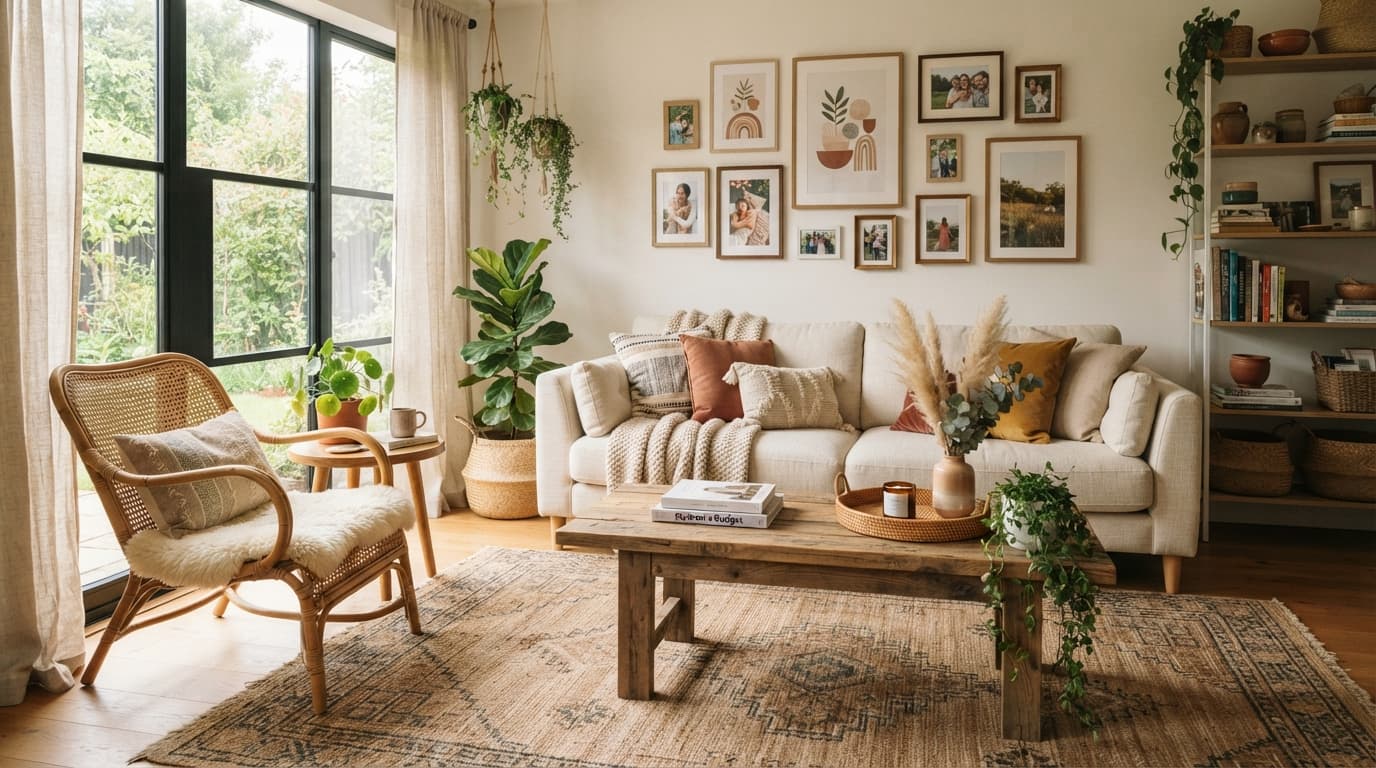
Dreaming of a room that feels fresh, curated, and utterly you but wincing at the thought of a hefty price tag? You're not alone. I've heard it countless times: "I want a complete overhaul, but my budget just isn't there." And my response is always the same: a beautiful, intentional room makeover on a budget isn't just possible, it's often more rewarding because it forces creativity and smarter choices.
Forget the idea that a stylish home requires an unlimited wallet. What it really requires is a plan, a good eye, and an understanding of where to invest and where to save. For me, budget design isn't about compromising on style; it's about being strategic, resourceful, and sometimes, a little patient. It's about getting the most bang for your buck without sacrificing quality or personal expression.
Ready to transform your space without emptying your savings? Let's break down how to give any room a stunning and affordable refresh.
1. The Power of Paint: Your Most Impactful (and Affordable) Tool
If you do one thing for a room makeover on a budget, it should be painting. Nothing—and I mean nothing—transforms a space more dramatically for less money. A gallon of quality paint typically runs between $40-$70, and it can cover a whole room.
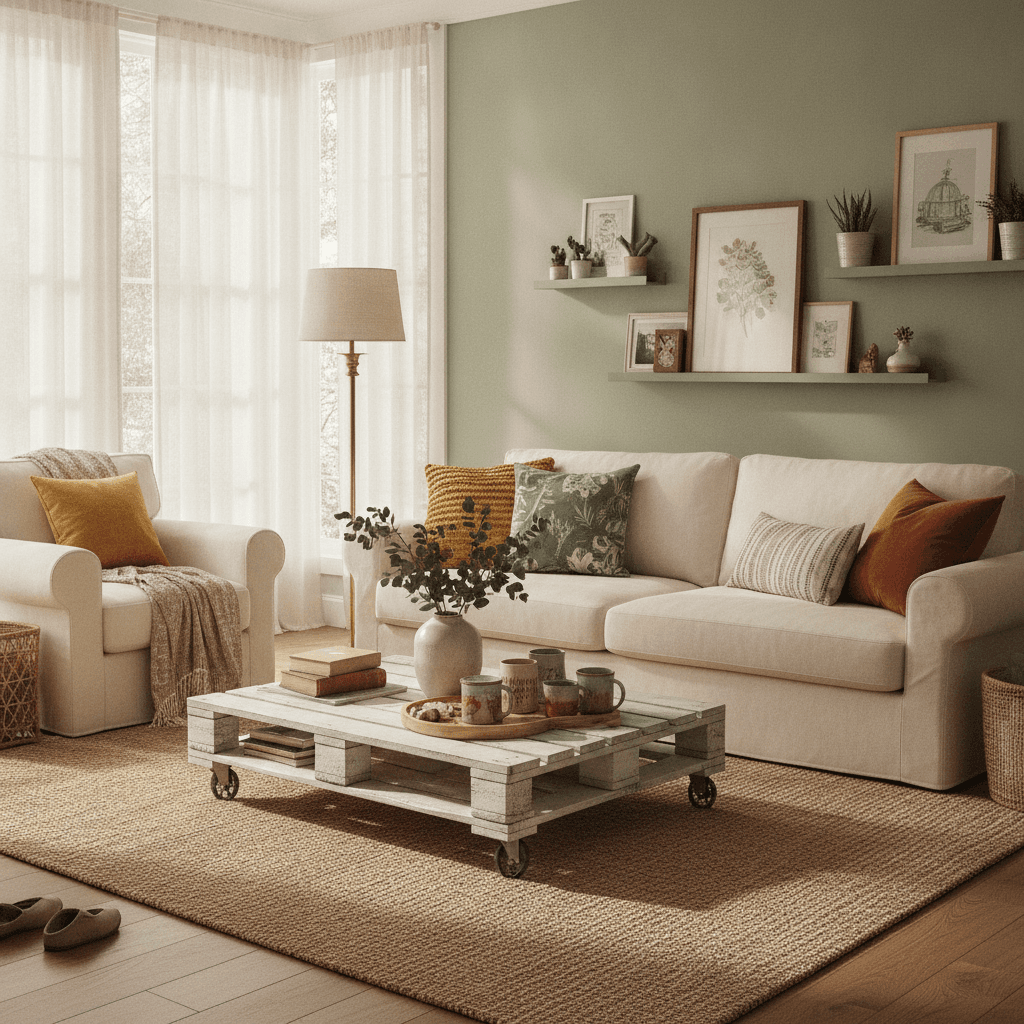
My Honest Take: Don't underestimate how much a fresh coat of paint can do. Dingy walls make everything else look dingy. A crisp white can instantly brighten and expand a small room, while a deep, moody green or blue can add instant sophistication. I'm a big proponent of a well-chosen accent wall if you're nervous about committing to a full room color. It adds depth and interest without overwhelming the space or your wallet. Consider a rich charcoal behind a bed or a soft sage in a living room. Just make sure your chosen color ties into any existing furniture or decor you plan to keep.
- Why it works: It's a complete surface change. It covers imperfections, updates dated colors, and sets the entire mood of the room.
- Cost-saving tip: Do it yourself! Painting is messy but straightforward. Watch a few YouTube tutorials on proper prep and technique. Borrow rollers and brushes from a friend if you can.
- Beyond walls: Don't forget the power of painting existing furniture. A dresser from a thrift store can get a new lease on life with a fresh coat of chalk paint or a bold lacquer.
2. Anchor Pieces: Where to Splurge (Strategically) and Where to Save
When you're working on a room makeover on a budget, you need to decide which pieces are worth a bit more investment and which you can snag for a steal. My rule of thumb is to invest in the pieces that get the most use or are the largest visual anchors.
The Sofa/Bed: Comfort and Durability First
For a living room, your sofa is the heart of the space. For a bedroom, it's the bed. These are items you'll use daily, and their comfort and quality directly impact your enjoyment of the room.
My Honest Take: I always recommend putting a little more into a good sofa frame and comfortable mattress. You don't need a designer label, but look for solid construction, decent cushioning, and a durable fabric. A budget-friendly sofa might range from $700-$1500 from stores like IKEA, Article, or even Target's higher-end lines. Check reviews for longevity. If you find a fantastic sofa frame second-hand (Facebook Marketplace is a goldmine for this), consider having it professionally cleaned or even slipcovered if the fabric is beyond repair. It might add to the cost, but often less than a brand new, lesser-quality sofa.
- Where to save: Instead of splurging on an expensive matching sofa and loveseat, buy one good sofa and pair it with an inexpensive accent chair from a different store or even a vintage find. This creates a more dynamic, less "matchy-matchy" look. For ideas, check out our post on how to choose the right sofa for your living room.
- Bedroom specific: For a bedroom, a simple, sturdy bed frame with a good mattress is key. You can save a lot on the headboard by choosing a DIY fabric-wrapped plywood panel or even painting a statement design on the wall behind the bed instead of buying an expensive upholstered one.
Other Furniture: Mix and Match for Personality
For items like coffee tables, side tables, dressers, bookshelves, or dining chairs, this is where you can really get creative with your budget.
My Honest Take: I love a high-low mix. Pair a solid, comfortable sofa with a thrifted vintage coffee table that you've cleaned up or even painted. Look for pieces with good bones that might just need a little TLC. Wood pieces are often easier to restore than upholstered ones. Don't be afraid to mix styles – a modern sofa can look incredible with a mid-century side table or a rustic console. This creates a much more lived-in, curated feel than buying everything from one showroom. Learn more about how to mix and match furniture effectively.
- Smart Sourcing:
- Secondhand: Facebook Marketplace, local consignment shops, thrift stores. Look for solid wood, interesting shapes, or unique details. Always inspect for damage, stability, and smell.
- IKEA Hacks: IKEA furniture is affordable and versatile. Search for "IKEA hacks" for ways to elevate simple pieces with paint, new hardware, or clever modifications.
- Retailers with good value: Target, Walmart, and even Amazon have some surprisingly stylish furniture pieces if you know what to look for and read reviews carefully.
3. Lighting: The Mood-Setter You Can't Skimp On
Good lighting makes such a difference, and it's an area people often overlook when trying to save money. You can have the most beautiful furniture, but if the lighting is poor, the room will never feel truly welcoming or functional.
My Honest Take: Layered lighting is non-negotiable for a comfortable room. You need ambient (overhead), task (for reading or working), and accent (to highlight art or add mood). You don't need expensive designer fixtures for all of these. I often recommend replacing builder-grade overhead lights with a stylish, inexpensive pendant or flush mount from a home improvement store (many good options are under $100). Then, add table lamps and floor lamps from places like Target, HomeGoods, or even vintage stores. Dimmers are also an inexpensive upgrade that offers incredible versatility. A well-placed floor lamp can dramatically change the ambiance of a living room in the evening.
- Cost-saving tip: Use smart bulbs! They allow you to change color temperature and brightness without needing fancy fixtures or dimmers. A $10 smart bulb can create multiple lighting "scenes" in one room.
4. Rugs: Define Your Zone, Anchor Your Furniture
A rug is the foundation of a room. It adds warmth, texture, defines zones, and ties furniture together. This is an area where size really matters, and going too small is a common budget mistake that ends up making the whole room feel off.
My Honest Take: A 9x12 rug under a sectional in an average-sized living room is non-negotiable. For a smaller sofa, an 8x10 is usually the minimum. Your front sofa legs (at least) must be on the rug. If you can only afford a smaller rug, it's better to save up for the right size rather than buying one that's too small and chopping up your space. For bedroom ideas, a rug should extend at least a foot or two past the sides of the bed.
- Where to find deals: Websites like Rugs.com, Boutique Rugs, and Overstock frequently have sales on large rugs. Look for synthetic blends for durability and easy cleaning, or jute/sisal for a natural, textural look that often comes at a lower price point. Just be aware that natural fibers can shed.
- Cost-saving tip: If you find a smaller, beautiful rug you love, use it in a smaller space like an entryway, under a desk in an office, or layered over a larger, more neutral jute rug to get the scale you need with an interesting focal point.
5. Textiles & Decor: The Soul of Your Space (Affordable Layers)
This is where your personality truly shines, and it’s also where you can achieve maximum impact with minimal spending. Cushions, throws, curtains, art, and accessories are the details that make a room feel complete and inviting.
Cushions and Throws: Instant Comfort and Color
My Honest Take: Don't underestimate the power of a few strategically placed throw cushions and a cozy blanket. They add color, texture, and an immediate sense of comfort. I always suggest buying cushion covers rather than full cushions – they're cheaper, easier to store, and you can swap them out seasonally. Look for interesting textures like boucle, chunky knits, or linen blends.
- Cost-saving tip: HomeGoods, TJ Maxx, and even Target are fantastic for affordable cushion covers and throws. Look for inserts at IKEA or buy quality feather inserts that you can reuse with new covers.
Curtains: Softness and Scale
My Honest Take: Curtains are essential. They soften hard edges, add visual height (hang them high and wide!), and provide privacy. Even if you love your blinds, curtains add that extra layer of texture and polish. My go-to for budget-friendly curtains is often IKEA (the RITVA or SANELA are classics) or Amazon. Look for linen-blend or cotton panels. Always measure carefully to ensure they touch the floor or just lightly puddle.
- Cost-saving tip: Buy longer panels than you think you need and hem them if necessary. It's much easier than dealing with curtains that are too short and make your room look squat.
Art & Accessories: The Personal Touches
My Honest Take: Your art doesn't have to be expensive. In fact, some of my favorite pieces are found or made. Look for prints on Etsy, frame high-quality photos you've taken, or even create your own abstract art using leftover paint. Thrift stores are excellent for unique vases, ceramics, and picture frames that you can easily spray paint or fill with dried flowers. Plants are also an incredible way to add life and color for very little money.
- Cost-saving tip: Frame simple posters or prints in inexpensive IKEA frames. Create a gallery wall using a mix of family photos, found art, and even textiles framed. Head over to our blog for more interior design on a budget ideas for decor.
6. Declutter and Rearrange: The Free Makeover
Before you buy a single new item, take a critical look at what you already have. This is arguably the most important step for any room makeover on a budget.
My Honest Take: Clutter suffocates a space. Take everything out of the room, or at least clear all surfaces. Then, bring back only what you love and what serves a purpose. Often, simply rearranging your existing furniture can make a room feel brand new. Try moving your sofa to a different wall, angling your bed, or swapping a console from one room to another. Sometimes, it's not about what you add but what you remove or repurpose. This process also helps you identify true needs, preventing impulse buys. For more guidance on optimizing your layout, check out our tips on how to design a room when you don't know where to start.
7. Utilize Roomellow for Smart Budgeting
This is where we come in! Once you have your plan, your colors, and your anchor pieces in mind, Roomellow can be an invaluable tool for a budget makeover.
My Honest Take: Instead of buying something, bringing it home, and realizing it doesn't fit or clashes with your existing decor (a costly mistake!), use Roomellow to visualize your choices. Upload a photo of your room, and then experiment with furniture from various stores. You can "try on" different sofas, rugs, coffee tables, and even accent chairs to see how they look in your actual space before you commit. This takes the guesswork out of purchases, especially when you're trying to mix high and low or incorporate second-hand finds with new pieces. It's like having a virtual room designer at your fingertips, helping you make confident, budget-conscious decisions. You can literally try out a new paint color, then add an affordable rug and a few accessories to see the full effect. Try it yourself.
My Honest Take on Budget Trade-Offs
Let's be real: sometimes "budget" means making compromises.
- Longevity vs. Cost: An $800 sofa from IKEA likely won't last 20 years like a high-end custom piece. But for someone on a budget or in a transitional living situation, it's often the perfect solution for 5-7 years. Understand your priorities.
- Materials: Bouclé looks incredible and is trending, but it's a nightmare if you have pets or small children. A durable performance fabric, even if less "trendy," might be a smarter budget choice in the long run if it means you won't have to replace it sooner.
- DIY Effort: Saving money often means investing your own time and effort. Painting, assembling furniture, thrifting, and restoring all take time. Be realistic about what you're willing to do yourself.
A beautiful room makeover on a budget is absolutely within reach. It's about being intentional with every choice, leveraging affordable transformations like paint, hunting for treasures, and using tools like Roomellow to ensure your purchases are smart ones. Embrace the process, have fun with it, and remember that your home should reflect you, not just your bank account.
Ready to redesign your room?
Upload a photo of your room and get a professional AI redesign with real furniture you can buy. Free to try — no credit card required.
Try Roomellow free