Authentic Rustic Home Decor: Create a Cozy, Timeless Space
Discover the true essence of rustic home decor! Learn how to use natural materials and authentic design to create a warm, inviting, and timeless home. Explore tips now.
By Roomellow Team
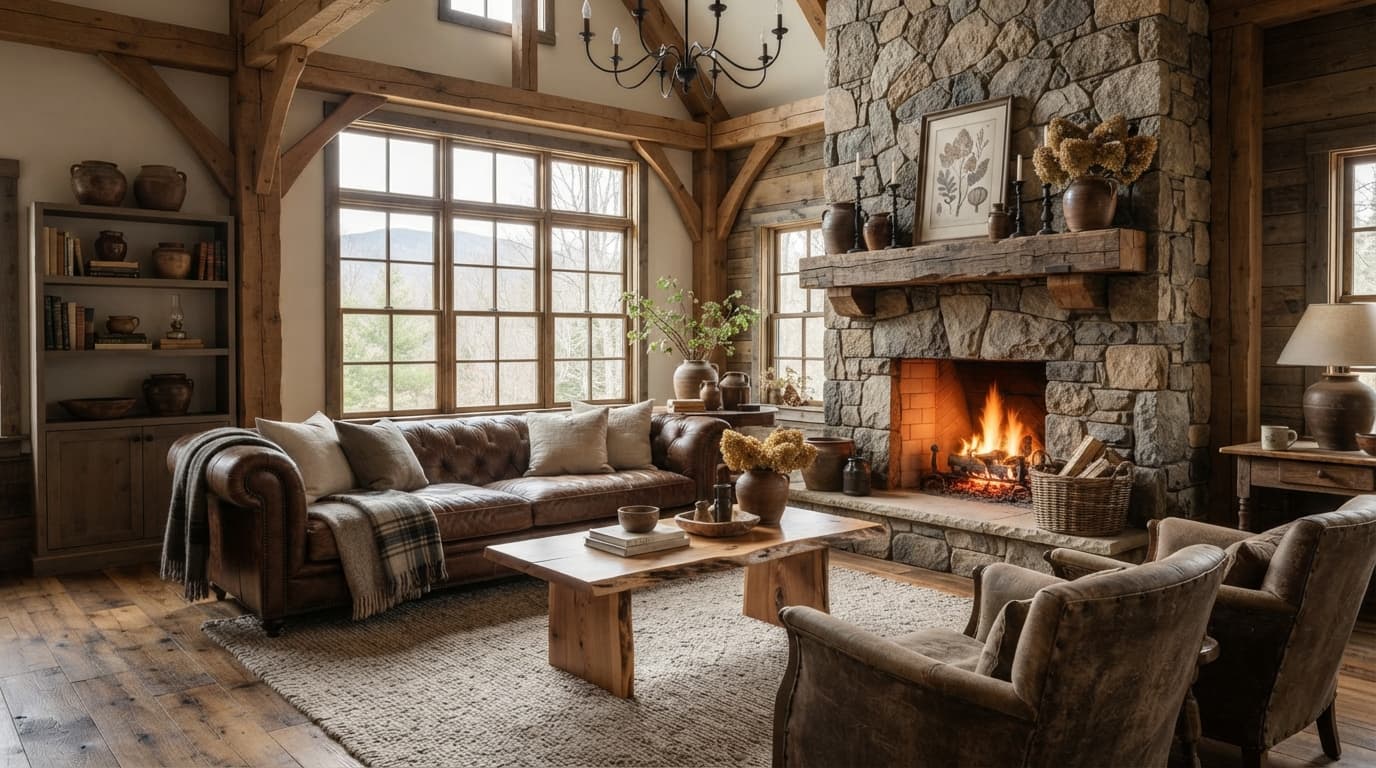
The allure of rustic home decor is undeniable. There’s a certain grounded, honest feeling that comes with natural materials, earthy tones, and pieces that feel like they have a story to tell. It’s a style that invites you to slow down, to appreciate the raw beauty of wood grain, the texture of a woven fabric, or the simple strength of hand-forged iron. But "rustic" isn't a monolith. It spans everything from a cozy, cabin-inspired aesthetic to something more refined and understated, celebrating natural elements without feeling cliché.
People often get bogged down thinking rustic means they have to commit to a full-on log cabin look, or that it’s interchangeable with modern farmhouse. While there’s certainly overlap with styles like farmhouse interior design, true rustic is about authenticity and embracing imperfections. It’s less about painted shiplap and more about the raw, untouched beauty of materials. It’s about creating a space that feels lived-in, comfortable, and connected to the natural world outside.
If you’re drawn to that sense of warmth and permanence, but want to ensure your home feels fresh and not like a museum diorama, let’s talk about how to achieve a truly beautiful, authentic rustic vibe.
The Pillars of Rustic Design: Materials First
In any rustic redesign, the first thing to think about is materials. This is where the style truly shines, and it's what differentiates it from so many other aesthetics.
Wood: The Unsung Hero (and Sometimes the Obvious One)
You can't talk rustic without talking about wood. And not just perfectly finished pieces — wood with character: knots, grain variations, natural imperfections, and a finish that lets the wood speak for itself.
- Reclaimed Wood: This is gold for rustic design. It often comes with a history, visible nail holes, saw marks, and a patinated finish that new wood just can't replicate. Think dining tables made from old barn doors, or shelves crafted from salvaged timbers. Price-wise, reclaimed wood can be an investment, often starting around $800-$1500 for a solid coffee table, but the durability and character are worth it.
- Solid, Unfinished, or Lightly Treated Wood: Oak, pine, walnut, and teak are fantastic choices. Look for furniture with minimal staining or a matte lacquer that protects but doesn't obscure the natural beauty. A solid oak console table (even if it's new) with visible grain can instantly anchor a rustic space.
- Where to use it: Beyond furniture, consider incorporating wood through decorative beams (even faux ones can work in the right space), exposed ceiling joists, or even a statement wall clad in rough-sawn planks. For flooring, wide-plank hardwood with a distressed finish is ideal.
Don't shy away from mixing wood tones. A dark walnut coffee table can look stunning paired with lighter oak accent chairs. The key is to ensure the undertones (warm vs. cool) complement each other, rather than clash. This is a common mistake – trying to match everything perfectly, and the space ends up feeling flat. Instead, aim for harmony, not exact duplication.
Stone & Earthy Elements: Bringing the Outdoors In
Stone, whether rough-hewn or smooth, adds a weighty, permanent feel that is inherently rustic. Think of a natural stone fireplace surround, or even just a collection of river stones in a large ceramic bowl.
- Fireplaces: If you have one, consider exposing or cladding it in natural stone or brick. A stacked stone fireplace from floor to ceiling is a quintessential rustic anchor.
- Accents: Look for pottery, ceramic vases, or even sculptural pieces made from stone. These elements introduce a tactile quality that grounds the space. Even small touches, like a terracotta planter, can make a difference.
- Color Palettes: This is where the earth comes alive. Think deep forest greens, charcoal grays, muted blues (like a stormy sky), terracotta oranges, and sandy beiges. These colors create a soothing, natural backdrop. Start with a neutral base (creamy whites, warm grays) and then layering in these deeper, richer tones through textiles and accessories.
Metals with Character: Patina Over Polish
Skip the shiny chrome and polished brass for a true rustic feel. Instead, lean into metals that show their age and strength.
- Wrought Iron: Classic for a reason. Think chunky lighting fixtures, fireplace tools, or even the base of a console table.
- Blackened Steel: Modern rustic often uses blackened or raw steel for furniture legs, shelving brackets, or light fixtures. It provides a contemporary edge while still feeling grounded.
- Aged Brass/Copper: A subtle touch of warmth can come from aged brass or copper, perhaps in a vintage-style pendant light or a decorative tray. The key is the patina – you want it to look lived-in, not brand new.
Textiles: Adding Warmth and Comfort
Rustic design isn't just about hard surfaces; it’s equally about soft, inviting textures that beg you to curl up and stay a while.
- Natural Fibers are Non-Negotiable: Wool, linen, raw cotton, jute, sisal. These are your friends. They bring an organic texture and a sense of handcrafted quality.
- Rugs: A foundational piece. A hand-knotted wool rug in a muted pattern, a chunky jute rug, or even a distressed Persian-style rug can anchor your living room with warmth and character. For a standard sectional, a 9x12 rug is often non-negotiable to ensure all front legs (at least) sit on it, creating a cohesive zone. For smaller spaces, a 5x7 or 6x9 might be enough for a small living room layout.
- Throws & Pillows: Layers of tactile comfort. Think chunky knit wool throws, linen pillow covers, or even sheepskin rugs draped over an accent chair. These are low-commitment ways to introduce color and texture.
- Drapery: Simple, unlined linen or raw cotton drapes in a neutral tone allow light to filter softly while adding texture. Avoid anything too fussy or overly patterned.
A word of caution: bouclé looks incredible and has a fantastic texture, but it's a nightmare if you have pets. The loops are an irresistible scratching post for cats and a magnet for pet hair. If you have furry friends, opt for a tightly woven wool or performance fabric that offers a similar textural feel without the maintenance headache.
Furniture That Feels Grounded
Choosing the right furniture is where you build the bones of your rustic space. Focus on pieces that are sturdy, substantial, and made from quality materials.
- The Sofa: Look for deep-seated sofas with clean lines but substantial presence. Leather is a classic rustic choice – it patinates beautifully over time and only gets better with age. A distressed top-grain leather sofa (expect to pay $2000-$4000 for a good quality one) is a fantastic investment. Alternatively, a sofa upholstered in a durable, textured fabric like a chunky linen blend or even a durable canvas in an earthy tone works well. Skip overly plush or ultra-modern profiles here. For advice on selection, check out our guide on how to choose the right sofa for your living room.
- Accent Chairs: Mix it up! A substantial armchair with a visible wooden frame and a woven seat (think cane or rope), or a classic wingback chair upholstered in a rich plaid or tweed. Skip the matching sofa and loveseat set; instead, mix a leather sofa with a fabric accent chair for more visual interest and depth.
- Coffee Tables & Side Tables: These should feel weighty. A solid wood slab coffee table, perhaps with a live edge, or a reclaimed wood trunk used as a coffee table. Stone-topped tables (slate, travertine) also fit beautifully. Circular tables can soften the many angular lines often found in rustic wood furniture.
- Dining Tables: A large, solid wood dining table is a centerpiece. Again, reclaimed wood or a substantial oak table with visible grain are ideal. Pair it with simple, sturdy wooden chairs or even mixed-material chairs with metal frames and wooden seats to avoid feeling too "matchy-matchy." For more ideas, explore our dining room ideas.
- Storage: Open shelving with exposed metal brackets, solid wood sideboards, or even antique chests can provide practical storage while adding to the rustic aesthetic.
Lighting: Warmth and Ambience
Lighting is crucial for setting the mood in any space, and for rustic design, it's all about warmth and highlighting textures.
- Warm Light Temperature: Opt for bulbs in the 2700K-3000K range to emit a soft, inviting glow. Harsh, bright white light (4000K+) will kill the rustic vibe instantly.
- Fixtures with Presence: Wrought iron chandeliers, pendant lights with exposed bulbs and metal cages, or even lanterns can add an authentic rustic touch. Consider task lighting with ceramic bases or simple wooden stands.
- Dimmer Switches: Absolutely essential. The ability to adjust the light level allows you to create different moods throughout the day, from bright and functional to cozy and intimate.
Accessorizing: The Soulful Details
This is where your personality truly comes through, and where you can avoid the "catalog look" by injecting unique, found objects.
- Art: Think landscapes, abstract pieces with earthy textures, vintage botanical prints, or even framed textiles. Look for pieces that feel organic or slightly imperfect. Large-scale art can be a powerful focal point.
- Greenery: Bring the outside in with potted plants. Large fiddle leaf figs, olive trees, or even simple ferns in terracotta pots work wonders. Dried botanicals, like pampas grass or eucalyptus, also add a soft, natural texture that fits perfectly.
- Found Objects & Antiques: This is where rustic decor really shines. Think old wooden crates, antique pottery, vintage scales, or a collection of interesting stones or branches gathered on a hike. These pieces add a sense of history and uniqueness. You don't need to spend a fortune; flea markets, antique shops, and even your own backyard can be sources of inspiration.
- Candles: Not just for scent, but for the soft, flickering light they provide. Group pillar candles of varying heights on a rustic tray.
Avoiding the Rustic Cliché
The biggest pitfall with rustic design is going too rustic — it can quickly veer into theme-park territory. Here's how to keep it fresh and sophisticated:
- Mix Styles Intelligently: Don't be afraid to pull in elements from other styles. A mid-century modern credenza can look amazing against a rustic stone wall, or a minimalist metal floor lamp can add an unexpected edge to a room full of wood. This is key to how to mix and match furniture successfully. A bit of contrast creates tension and interest.
- Focus on Quality, Not Quantity: A few well-chosen, substantial pieces are far better than a room full of flimsy, mass-produced "rustic-look" items. Invest in solid wood, good textiles, and unique artwork.
- Embrace Negative Space: Let your beautiful materials breathe. Don't clutter every surface. Allow the natural texture of a stone wall or the grain of a wood table to be appreciated.
- Balance Rough with Refined: If you have a very rough-hewn coffee table, perhaps balance it with a smoother, softer velvet cushion on your sofa, or a delicate ceramic vase. This push-pull creates a dynamic and sophisticated space.
Creating a rustic home is about crafting a narrative – a story of warmth, comfort, and connection to the natural world. It's about surrounding yourself with pieces that feel authentic and have a tactile quality. It’s a style that celebrates imperfection and the beauty of things that aren't mass-produced.
Ready to bring that grounded, honest feeling into your own space? Upload a photo of your room to Roomellow, tell us you’re aiming for "rustic home decor," and watch as we suggest real, purchasable furniture from various furniture stores that fit your vision. It's a fantastic way to visualize how different wood tones, textures, and earthy palettes will come together in your actual room before you buy anything.
Ready to redesign your room?
Upload a photo of your room and get a professional AI redesign with real furniture you can buy. Free to try — no credit card required.
Try Roomellow free