Extra Seating Ideas for Small Living Rooms: Maximize Your Space
Extra seating ideas for small living rooms: poufs, benches, armless chairs and layout tips that add seats without making the room feel crowded.
By Roomellow Team
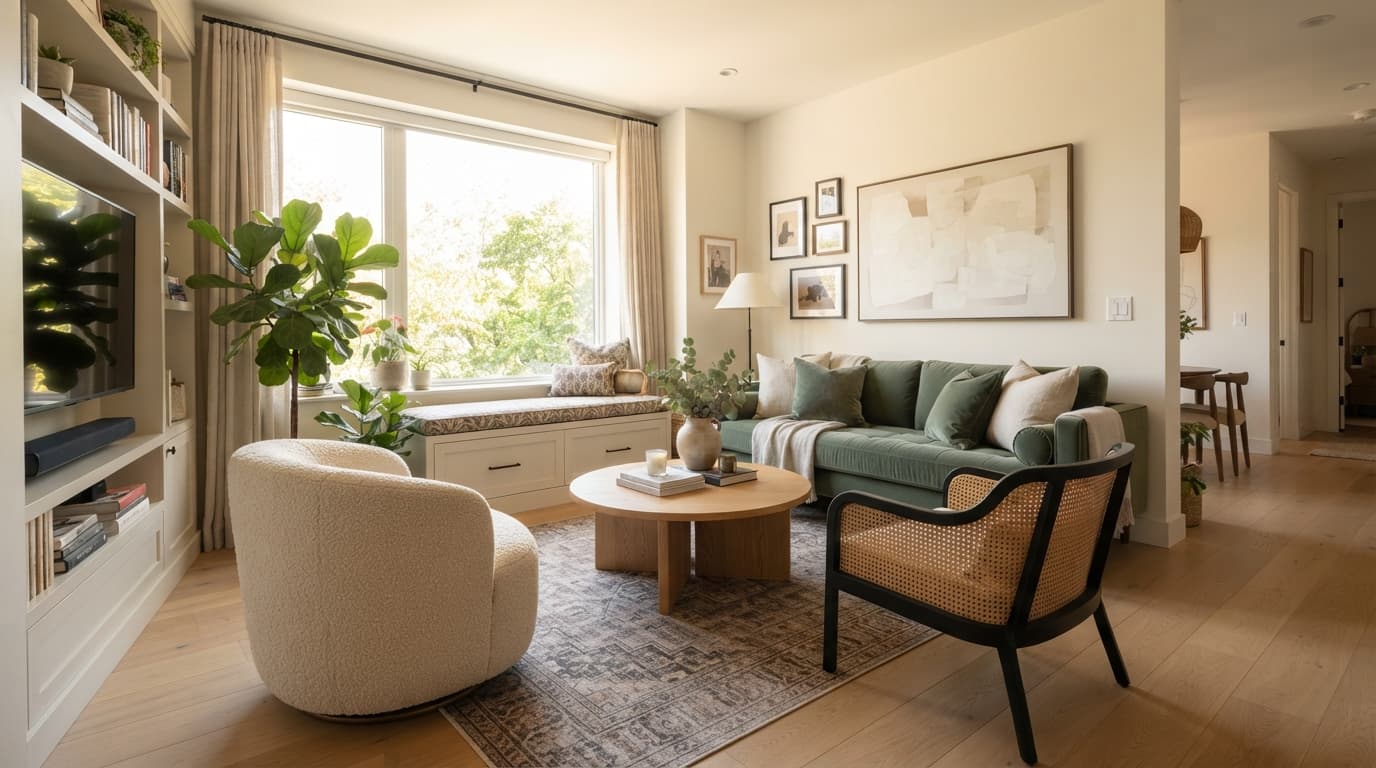
Anyone with a small living room knows the struggle: you want to host friends, sprawl out with family, or simply have enough comfortable spots for everyone, but every inch feels precious. Adding extra seating without turning your cozy haven into an obstacle course seems like a design paradox.
The good news? It's entirely possible to create flexible, stylish, and comfortable extra seating in a small living room without compromising flow or making the room feel more cramped. It’s all about being strategic with your choices, understanding scale, and embracing multi-functionality. You don't need a huge footprint to have a living room that comfortably accommodates more than just your main sofa.
The Small Living Room Conundrum: More Than Just Square Footage
Before we dive into specific furniture pieces, let's talk about the core challenge. A small living room isn't just about its physical size; it's about the perception of space and how well it supports different activities. When you try to cram too many large, visually heavy pieces into a tiny area, it feels claustrophobic, not cozy.
The most common mistake we see is buying pieces that are too big for their space. That oversized armchair might look inviting in the showroom, but if it blocks a walkway or overpowers your main sofa, it's doing more harm than good. Another common misstep is neglecting vertical space or overlooking the power of negative space. Every design decision in a small room has a ripple effect, so we need to think beyond just adding another chair.
Your goal isn't just to add seats; it's to add flexible, thoughtful seating that enhances your living experience, whether you're alone with a book or hosting a board game night.
Fundamental Principles for Smart Seating in Small Spaces
Before you even start looking at specific furniture, keep these guiding principles in mind. They'll save you a lot of headache and returns later.
Scale is Your Undeniable Master
This is non-negotiable. Every piece of furniture needs to be proportionate to the room and to the other pieces in it. For a small living room, this means opting for smaller, leaner profiles. Think chairs with thinner arms, less bulky cushions, and exposed legs. A chunky, rolled-arm armchair will devour valuable visual and physical space far more than a sleek, track-arm alternative.
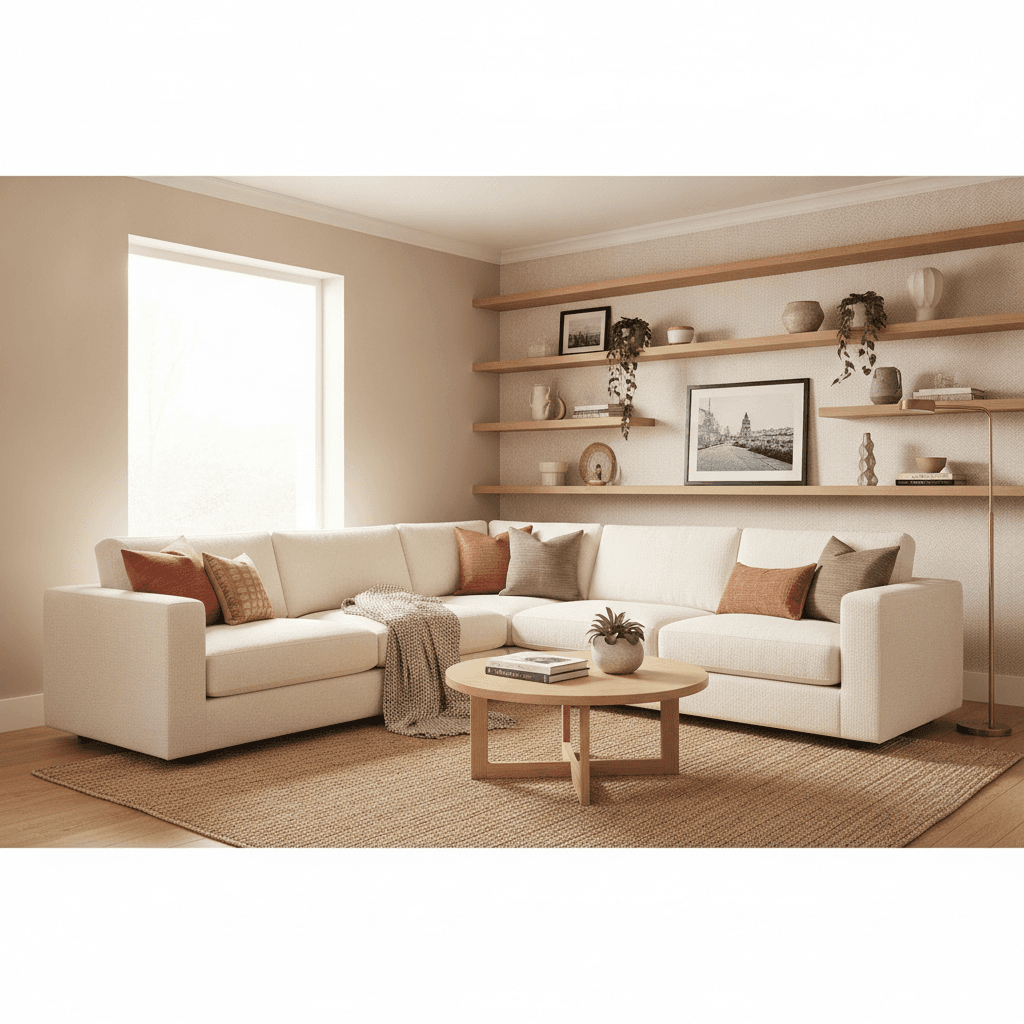
When considering your main sofa, if your room truly is compact, you might even consider a sectional sofa for small living room that maximizes corner space without protruding too much. Just ensure the depth isn't excessive.
Embrace Multi-Functionality: Your Secret Weapon
If a piece of furniture can do double or even triple duty, it’s a winner in a small space. This is where ottomans become coffee tables, benches become storage, and floor cushions become impromptu seating. You're not just buying a chair; you're buying a solution. This is perhaps the most critical rule for adding extra seating without feeling overwhelmed.
Visual Weight Matters More Than Actual Weight
A heavy, dark, solid-sided piece of furniture will make a small room feel denser and smaller. Conversely, pieces with exposed legs, lighter colors, open backs, or even transparent materials (like acrylic) allow your eye to see through them, creating a sense of openness and airiness. A small living room benefits immensely from furniture that feels "light."
Think Vertical, Not Just Horizontal
While we're talking seating, don't forget the surrounding elements. Tall, slender bookshelves or wall-mounted shelving free up floor space while still providing storage and display. The same principle applies to how you choose seating – sometimes, a piece that's higher but narrower might work better than one that's short and wide.
Category 1: The Versatile Powerhouses – Multi-Functional Seating
These are the unsung heroes of small spaces. They offer seating when needed, but can quickly transform to serve other purposes.
Ottomans & Poufs: The Chameleon of Furniture
Ottomans and poufs are our first suggestion whenever someone asks how to design a small living room that still has room for guests. An ottoman or pouf can be a footrest, extra seating, or, with a tray, a small coffee table. The key is choosing the right size and material.
- Size & Shape: For extra seating, we generally recommend something around 18-24 inches in diameter for a round pouf, or 18x18 to 24x24 inches for a square ottoman. Anything much larger starts to feel like a permanent fixture. A long, rectangular ottoman (say, 40-50 inches long by 18-20 inches deep) can even serve as a small bench at the foot of a sofa, offering two seats.
- Material:
- Leather: Durable, easy to clean, and adds a touch of sophistication. A deep-tufted leather ottoman can feel quite substantial.
- Bouclé: Trendy and incredibly textural, bouclé looks amazing, but it’s hard to live with if you have pets or expect a lot of spills. It picks up lint and can be hard to spot clean. Consider it for a low-traffic area or if you’re meticulous.
- Velvet: Luxurious and soft, but can show wear in high-traffic areas.
- Woven (Jute, Cotton, Macrame): Adds texture and a relaxed vibe. Often lighter and easier to move.
- Storage Ottomans: These are genius. You get a seat and a place to stash blankets, remotes, or magazines. Look for ones with a lift-off top or a hinge mechanism. Just be mindful of the visual weight; some can look a bit clunky. Our pick would be a lighter fabric or a clean-lined design.
Our take: Don't underestimate a good pouf. We often suggest two smaller poufs instead of one larger one. They're easier to move around, tuck under a console table when not in use, and give you more flexibility than a single big piece.
Benches: The Underutilized Hero
A slim bench can be incredibly versatile.
- Dining Bench: If you have an open-concept space, a dining bench can be pulled into the living area for extra seating during gatherings. We prefer backless benches for this purpose, as they're less visually obtrusive.
- Window Seat: If you have a deep window sill, consider adding a custom cushion to create an instant cozy reading nook that doubles as seating. Even a shallow bench placed under a window can work wonders.
- Entryway Bench: Many small apartments have a bench by the door. On heavy entertaining nights, this can absolutely be migrated into the living room. Look for designs with open bases or slatted wood for a lighter feel.
A typical slim bench is around 14-16 inches deep and 36-48 inches long, providing seating for one to two people. A simple wooden bench and a lightly upholstered one both work; pick whichever matches the rest of the room.
Category 2: The Space-Saving Specialists – Dedicated Seating
Sometimes, you just need a proper chair. But in a small living room, "proper" means compact, thoughtfully designed, and with a minimal footprint.
Small Accent Chairs: Thoughtful Additions
Not all accent chairs are created equal in a small space. Here’s what to look for:
- Armless or Slipper Chairs: These are fantastic because they don't have the bulky armrests that add width. A slipper chair often has a lower profile, making it less visually dominant. They typically range from 24-28 inches wide.
- Petite Lounge Chairs: Look for chairs with a streamlined design, thin frames (metal or wood), and exposed legs. An open base is key for visual lightness. Swivel chairs can also be a game-changer, allowing you to easily reorient the seating without physically moving the chair. A compact swivel chair on a slim base is a good example.
- Stackable Chairs: For truly occasional seating, a couple of stylish stackable dining chairs can be hidden in a closet or corner and brought out when guests arrive. They don't have to look like folding chairs from a banquet hall; there are many beautiful, modern designs available.
- Folding Chairs: Similar to stackable, but even more compact. Think beyond the utilitarian metal folding chair: wooden or upholstered folding chairs blend in far better and still fold flat into a closet.
Our take: We're big fans of armless chairs in small living rooms. They tuck into corners beautifully and can often be placed closer to a sofa without impeding flow as much as a wider, armed chair. When choosing one, always measure the seat depth – a shallower seat is usually better for small spaces.
Floor Cushions & Large Poufs: The Flexible Option
For a super casual, bohemian, or even kid-friendly vibe, a collection of large, comfortable floor cushions or oversized poufs can be an excellent choice.
- Pros: Easy to move, can be stacked and stored, adds texture and color, extremely relaxed. They invite lounging.
- Cons: Not ideal for older guests or those who have trouble getting up from low seating. Doesn't offer back support.
- Usage: Scatter a few around a low coffee table for an informal gathering, or use them as extra seating during movie nights. Look for durable fabrics like canvas, denim, or even indoor/outdoor materials if you want something hard-wearing.
Category 3: The Unexpected Solutions – Creative Options
Sometimes, the best solution isn't a traditional "extra seat" at all.
Daybeds or Chaises: A Lounging Dream (if space allows)
This is for small living rooms that aren't tiny. If you have a longer, narrower wall, a daybed can serve as both a sofa and a bed for overnight guests, making it incredibly multi-functional. A chaise lounge is similar, offering a long, reclined seat for one, but can also comfortably seat two in a more upright position. These are larger investments but offer significant comfort and utility. We'd choose a slim-profile daybed with an open base to keep it from feeling too heavy.
Built-In Seating: The Ultimate Space Saver
If you're contemplating a more significant renovation or your room has an awkward nook, built-in seating (like a banquette or a custom window seat) is the most efficient use of space possible. It's custom-fit, provides storage, and can be incredibly cozy. Obviously, this is a bigger project, but it's worth considering for a truly optimized small space. You can often DIY a simple window seat with storage cubbies underneath using IKEA Kallax units or custom cabinetry.
Materials, Colors, and Visual Tricks for Small Seating
Beyond the type of furniture, how it looks and feels in the room is paramount.
- Light Colors: Lighter fabrics (creams, grays, whites, pastels) on your extra seating will reflect light and make the room feel more expansive. They visually recede.
- Open Bases: We mentioned this before, but it bears repeating. Chairs or ottomans with exposed legs or open frames allow light and air to pass through, reducing their visual heft. Avoid pieces that are solid to the floor.
- Reflective Surfaces: A small mirrored side table next to an accent chair can bounce light around, making the area feel brighter and larger.
- Texture Over Pattern: In a small space, large, busy patterns on your extra seating can feel overwhelming. Opt for interesting textures (bouclé, velvet, chunky knits, linen) in solid colors to add depth without clutter.
- Don't Match Everything: Seriously, please don't buy a matching chair for your sofa. It often looks dated and uninspired. Mix materials and styles. If you have a linen sofa, consider a small leather accent chair or a woven pouf. This adds character and prevents the room from feeling like a furniture showroom. Learn how to mix and match furniture effectively to create a cohesive yet dynamic look.
Layout & Placement Tips for Maximum Flow
You've got your smart seating pieces, now where do they go?
- Define Zones with Rugs: A well-placed rug can anchor your main living area and indicate where extra seating can naturally extend. Make sure your rug is appropriately sized; generally, at least the front legs of your main sofa and accent chairs should be on it. Our rule of thumb for a typical small living room is a 5x7 or 6x9 rug, depending on the main sofa size. If you're struggling, check out our guide on how to pick a rug for living room.
- Keep Walkways Clear: This is critical. Ensure there's at least 30-36 inches of clear pathway around your main furniture pieces. Tucking a pouf under a console table or a small accent chair into a corner near a bookshelf (where it can be pulled out) works well.
- Create Conversation Zones: Arrange your main sofa and any accent chairs to face each other or create a loose "U" shape around a coffee table. This invites interaction. Poufs or floor cushions can then be brought into this zone as needed.
- Consider Corner Space: Corners are often underutilized. A small, armless accent chair can tuck perfectly into a corner, perhaps with a floor lamp behind it, creating a cozy reading nook without taking up center-stage space.
- Use Wall Space: Mounting shelves or a slender console table can free up floor space for smaller seating options below.
The hardest part of adding seating to a small room is judging, before you buy, whether that pouf or slipper chair will make the room feel fuller in a good way or just crowded. Measurements tell you whether a piece fits; they don't tell you how heavy it will look. That's where Roomellow helps: upload a photo of your living room and see real pieces from real furniture stores placed in your own space. Every item in the design is a product you can actually buy, so you can compare a pair of poufs against an armless chair in your room instead of guessing. Here's how AI interior design with real furniture works.
Our Take: Don't Compromise on Comfort or Style
The desire for extra seating in a small living room isn't about greed; it's about making your home functional and welcoming. You don't have to settle for less comfort or aesthetics just because your square footage is limited. Instead, view it as an opportunity to be more creative and strategic with your choices.
Our advice: invest in pieces that are both beautiful and incredibly functional. Prioritize visual lightness, multi-purpose items, and thoughtful placement. Don't be afraid to try out different configurations in your space, even moving existing furniture around to see what feels best. And before you buy, seeing the options in your own room first saves a lot of returns. Your small living room can absolutely be both stylish and guest-ready.
Ready to redesign your room?
Upload a photo of your room and get a professional AI redesign with real furniture you can buy. Free to try — no credit card required.
Try Roomellow free