Smart Sustainable Furniture Ideas for a Stylish & Eco-Friendly Home
Discover sustainable furniture ideas that blend style, quality, and eco-consciousness. Make smart choices for your home and the planet. Learn more now!
By Roomellow Team
Redesigning your home can feel like a fresh start, a chance to infuse new energy into your space. But lately, we've been thinking a lot about a different kind of fresh start – one that extends beyond just aesthetics and considers the bigger picture. We're talking about sustainable furniture. And no, this isn't about sacrificing style for a moral high ground or turning your living room into a hemp-fabric-only commune. It’s about making smart, informed choices that benefit your home, your wallet in the long run, and the planet. Good design, in our view, has always been inherently sustainable, favoring quality, longevity, and thoughtful craftsmanship over fleeting trends.
When we approach a room redesign, whether for a client or our own space, we’re not just looking at colors and layouts. We’re asking: How will this piece age? What is it made of? Will it stand the test of time, both physically and aesthetically? These questions lead us directly to sustainable furniture ideas – choices that are beautiful, functional, and responsible. Here’s our take on how to integrate true sustainability into your home design, not just as a buzzword, but as a foundational principle.
Why Quality, Long-Lasting Furniture is the Ultimate Sustainable Choice
Before we dive into specific trends, let's talk about the core principle here: buying better, buying less. The most sustainable piece of furniture is the one that lasts for decades, or even generations. Think about the heirlooms you might have – a solid wood dresser, a well-built armchair. These pieces weren’t just "eco-friendly" by accident; they were made with care, intended to endure.
Fast furniture, much like fast fashion, fills a temporary void, often made from cheaper materials that quickly degrade, contributing to landfills and a cycle of constant replacement. While the upfront cost might be lower, the long-term impact on your budget and the environment is significant. Investing in well-made furniture, even if it means saving up a bit longer, ultimately saves you money and the headache of constant repairs or replacements. It’s also about what’s in your home. Lesser quality items often off-gas volatile organic compounds (VOCs) that can impact indoor air quality. Choosing pieces with natural, non-toxic materials is a win for your health, too.
Trend 1: Embrace the Beauty of Natural Materials
This isn't really a "trend" so much as a return to timeless design principles, but it's certainly having a moment. Natural materials are inherently sustainable when sourced responsibly, and they bring an unparalleled warmth, texture, and organic beauty to any space.
Solid Wood: The Unsung Hero
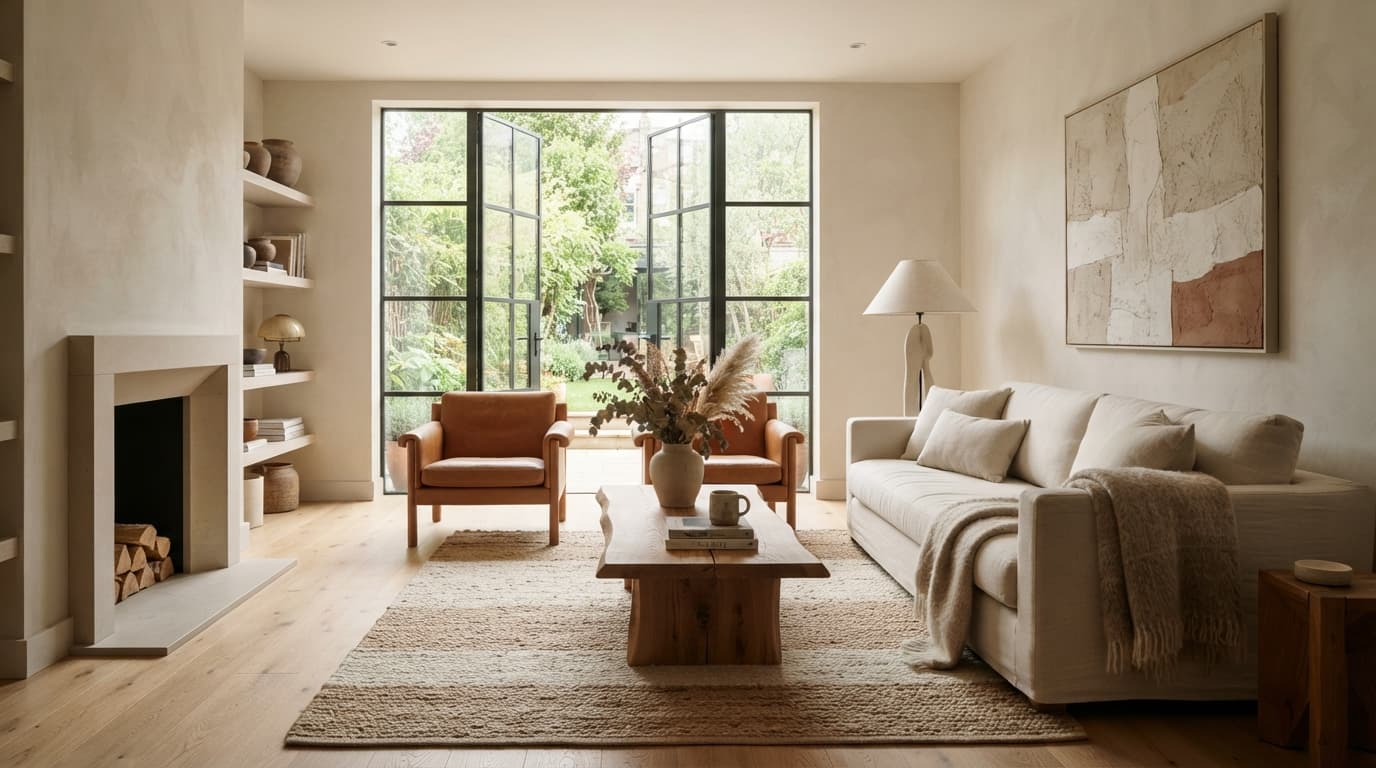
Our absolute go-to for foundational pieces is solid wood. When we say solid wood, we mean actual planks of wood, not particle board with a veneer. Look for FSC-certified wood, which means it comes from sustainably managed forests. Oak, walnut, ash, and maple are fantastic choices for their durability and grain. A solid oak dining table, for instance, isn't just a surface for meals; it's an investment piece that will gather character over the years, weathering spills and dings with grace. Imagine a 72-inch solid walnut media console – it's substantial, built to last, and will anchor your living room for decades.
Why it works: It’s incredibly durable, repairable, and ages beautifully. The natural variations in the grain add character that engineered wood can't replicate. It also contributes to a biophilic design aesthetic, connecting your indoor space to the natural world.
How to implement:
- Dining Table: This is where we'd splurge on a solid wood piece. A 60-72 inch table in a warm walnut or light oak sets the tone for your dining room.
- Bedroom Furniture: A solid wood platform bed or dresser adds a sense of permanence and warmth. Look for simple, classic designs that won't go out of style, like a bed with a sleek, minimalist headboard.
- Accent Pieces: Even a small side table or a sturdy console table in solid wood can elevate a space.
Our take: Solid wood is always a good idea. It's an investment, with dining tables ranging from $800-$3000+, but it’s one you won’t regret. Be wary of "solid wood construction" claims that might still use particle board in less visible areas. Ask questions about the frame and internal components.
Woven Textures: Rattan, Jute, Seagrass
These materials bring an incredible tactile quality and a relaxed, natural vibe. Rattan, in particular, has seen a huge resurgence, moving beyond bohemian bedrooms into sophisticated living and dining spaces.
Why it works: These fibers are rapidly renewable resources, lightweight, and add visual interest and texture. They can soften a room full of hard surfaces and provide a sense of calm.
How to implement:
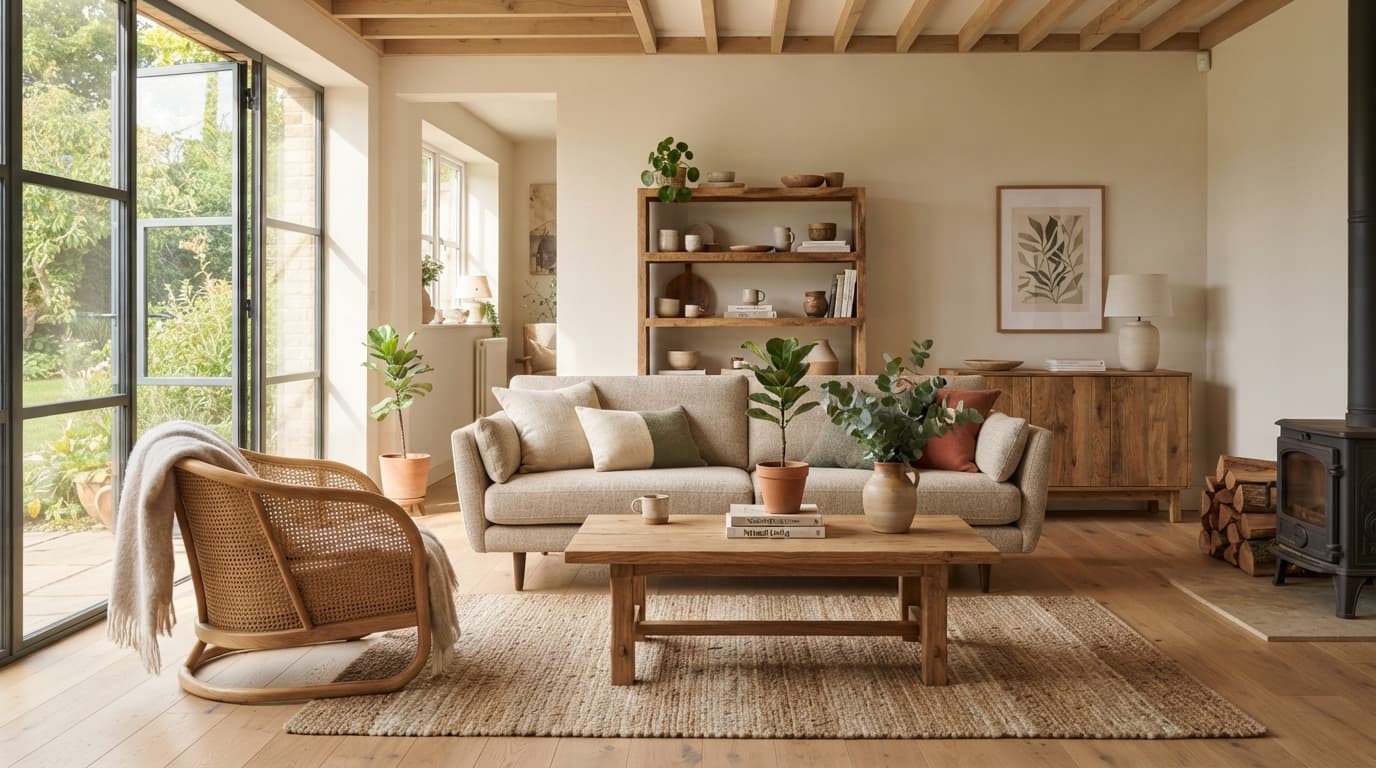
- Accent Chairs: A beautifully crafted rattan accent chair can instantly make a living room feel more inviting. Pair it with a linen sofa for a relaxed, organic modern feel.
- Rugs: Jute and sisal rugs are excellent for high-traffic areas. A large 8x10 jute rug provides an incredible grounding layer and natural texture without overwhelming the space. They're usually quite affordable, too, often under $400 for a good size.
- Storage & Decor: Woven baskets are indispensable for stylish storage – think throw blankets, magazines, or toys in a kids' room. They help maintain a clutter-free look, which is essential for good design.
Our take: Fantastic for adding texture and warmth. Rattan can feel a bit trendy if overdone, so use it strategically. Jute rugs are incredibly practical but can shed a bit initially. Embrace the imperfections – they're part of the charm. This also ties into biophilic interior design principles beautifully.
Organic Textiles: Cotton, Linen, Wool
When it comes to upholstery, bedding, and throws, opting for organic, natural fibers is a no-brainer. These materials are often more durable, breathable, and free from harsh chemicals.
Why it works: They feel luxurious against the skin, regulate temperature well, and are generally more environmentally friendly if certified organic and ethically produced. They also offer a beautiful, natural drape and texture.
How to implement:
- Sofa Upholstery: A sofa upholstered in organic linen or a durable wool blend is an excellent investment. Linen, especially, develops a lovely softness over time. While linen can be more delicate than performance fabrics, its natural beauty and environmental profile make it a strong contender for a sophisticated, understated living room. We often recommend a light-colored linen sofa to clients looking for a modern living room makeover.
- Bedding: Organic cotton or linen sheets are a dream. They get softer with every wash and last much longer than synthetic blends.
- Throws & Pillows: A chunky wool knit throw or pillows with organic cotton covers add warmth and texture without introducing unnecessary chemicals.
Our take: While organic textiles might come with a higher price tag (a good quality organic linen duvet set could be $200-$400+), the comfort, durability, and peace of mind are worth it. Linen does wrinkle, but that's part of its relaxed charm. If you have pets, certain weaves like bouclé can be a magnet for claws and dirt, so choose wisely and consider a durable, tightly woven natural fiber.
Trend 2: The Art of the Secondhand – Vintage & Antiques
This is perhaps the most sustainable "trend" of all. Giving new life to pre-loved pieces not only reduces waste but injects unique character and history into your home. This is where you find those truly special items that no one else has.
Why it works: It's the ultimate form of recycling! You're saving items from landfills, preserving craftsmanship, and often getting superior quality for a fraction of the price of new. Plus, vintage pieces instantly add soul and depth to a room, creating a collected, layered look that feels truly personal.
How to implement:
- Thrift Stores & Flea Markets: Keep an open mind and hunt for good bones. A solid wood dresser with a dated finish can be transformed with a little sanding and staining. Look for mid-century modern pieces, they often have excellent construction.
- Online Marketplaces: Sites like Facebook Marketplace, Craigslist, and local antique dealers online are treasure troves. Be patient, search broadly, and be ready to pick up items quickly.
- Mixing Old and New: This is our favorite approach. Don't try to make your whole room look like a vintage shop. Instead, pair a vintage credenza with a contemporary sofa. Or an antique mirror above a modern console. This creates a balanced, curated look that feels truly unique. For example, a Japandi living room makeover could feature a minimalist new sofa alongside a beautifully aged wooden coffee table.
- Upcycling & Restoration: Learn a few basic DIY skills. A wobbly chair might just need new screws. A dull wooden surface can come back to life with wood oil. Just be honest with yourself about what’s salvageable and what’s too far gone. Don't spend a fortune restoring a piece that wasn't well-made to begin with.
Our take: This requires patience and a good eye, but the rewards are immense. You won't always find what you're looking for immediately, but when you do, it's incredibly satisfying. It's also an excellent strategy for decorating on a budget.
Trend 3: Choose Thoughtful Construction & Ethical Production
Sustainability isn't just about materials; it's about how things are made and by whom. This often means looking for transparency from furniture brands and understanding the basics of good construction.
Quality Construction: Beyond the Surface
A beautiful exterior is meaningless if the internal structure is weak. This is especially true for upholstered pieces like sofas and armchairs.
Why it works: Good construction ensures longevity. A piece built with care will last decades, resisting sagging, creaking, and falling apart.
How to implement:
- Sofa Frames: Look for frames made from kiln-dried hardwood (like maple or oak), doweled, screwed, and glued. Avoid particle board or softwoods like pine, which can warp and break easily. An eight-way hand-tied spring system is the gold standard for seat support, though sinuous springs are a good, more affordable alternative. These details are critical when you're trying to choose the right sofa.
- Case Goods (dressers, cabinets): Dovetail or mortise-and-tenon joints indicate quality craftsmanship over staples and glue. Check drawer glides – smooth, full-extension glides are a sign of a well-made piece.
- Ask Questions: Don't be shy about inquiring about internal construction. Reputable furniture stores and brands will be happy to provide details.
Our take: This is where you might need to do a little more research, but it's crucial for investment pieces. You might not see the frame of a sofa, but you'll feel the difference in its durability. Prioritize this for high-use items like your main sofa or dining table.
Ethical Production & Transparency
More and more, consumers are looking for brands that not only use sustainable materials but also ensure fair labor practices and environmentally responsible manufacturing processes.
Why it works: It ensures your purchase supports a responsible supply chain, from the sourcing of materials to the well-being of the artisans who create the furniture.
How to implement:
- Look for Certifications: While not always comprehensive, certifications like B Corp status, Greenguard Gold (for low chemical emissions), or specific fair trade labels can indicate a brand's commitment to ethical practices.
- Read Brand Stories: Many companies are transparent about their manufacturing processes, their workshops, and their commitment to their employees and the environment. This information is often available on their websites.
- Shop Local When Possible: Reducing shipping distances significantly lowers a product's carbon footprint. Supporting local artisans and manufacturers can be a fantastic way to acquire unique, well-made pieces while reducing environmental impact.
Our take: This can be challenging to verify for every single purchase. Focus on brands that are genuinely transparent and articulate their values clearly, rather than those that just use vague "eco-friendly" language. It's about making conscious choices where you can.
Trend 4: Design for Longevity & Adaptability
The most sustainable approach to furniture is to buy pieces you'll love and keep for a long, long time. This means choosing timeless designs and versatile pieces that can adapt as your style evolves or you move to a new home.
Why it works: It reduces the need for constant replacement, saving resources and money. Timeless pieces integrate well with different styles over the years, ensuring your home always feels current, not dated.
How to implement:
- Invest in a Neutral Foundation: A high-quality sofa in a classic silhouette and a neutral fabric (think cream linen, charcoal gray performance velvet, or a deep navy) is always a smart move. You can then layer trends on top with pillows, throws, and art. This allows for easy living room color scheme changes without replacing the whole sofa.
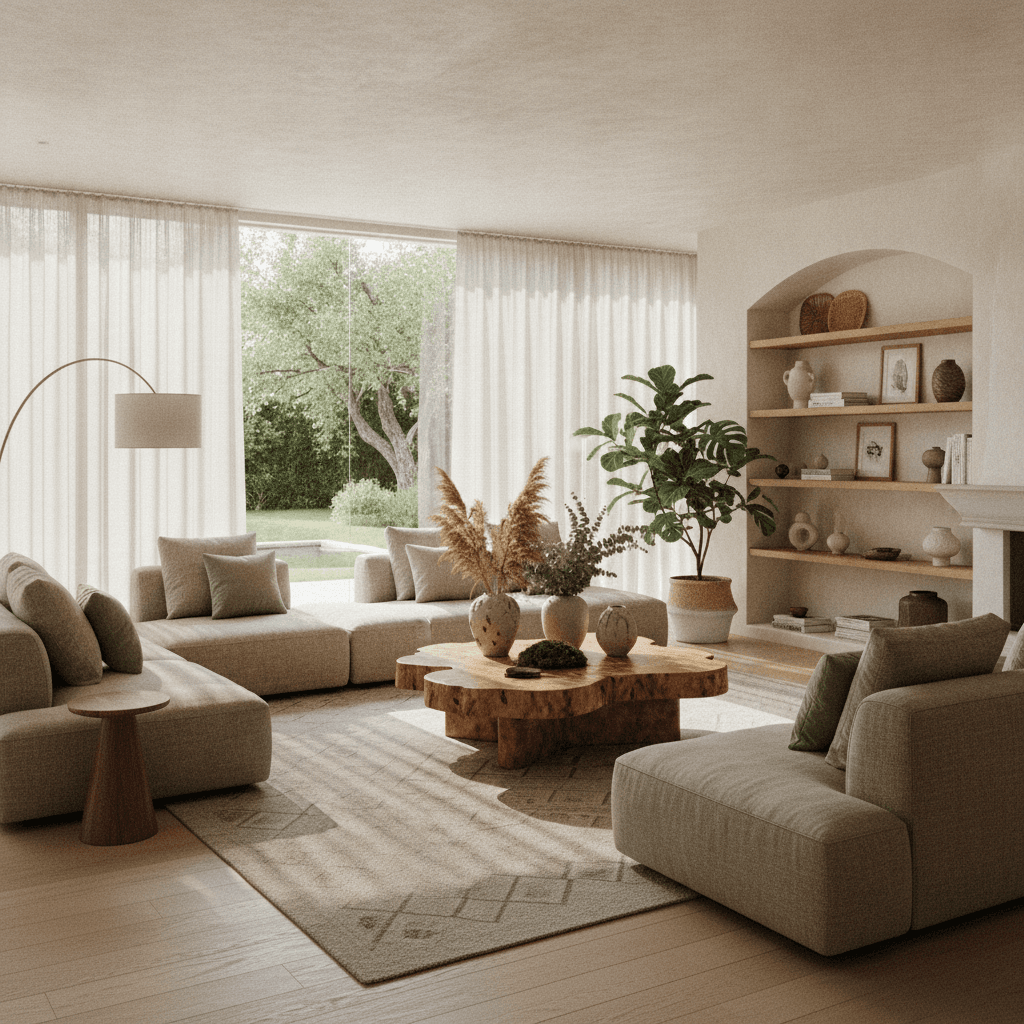
- Modular Furniture: Sectional sofas that can be reconfigured are excellent for adaptability, especially if you anticipate moving or wanting to change up your layout. A sectional sofa for a small living room can be surprisingly versatile.
- Multi-functional Pieces: An ottoman with storage, a console table that can also serve as a desk, or nesting side tables are all smart choices that offer flexibility.
- Avoid Fast Trends for Core Pieces: That brightly colored, oddly shaped coffee table might be fun now, but will it be in five years? For investment pieces, lean towards classic lines and durable materials. Save the trend chasing for easily changeable items like throw pillows, vases, or small accent chairs.
- Think About Your Future Self: When you're choosing a piece, ask yourself: would this still work if I moved to a bigger/smaller space? If my design preferences shifted slightly? Aim for versatility.
Our take: This is about being intentional with your purchases. Don't just buy something because it's cheap or "in." Buy it because you genuinely love it, and because it serves a clear purpose in your home for years to come. Designing for adaptability is key to creating a home that grows with you. Buying well once is only cheaper than buying twice if the piece is right, and a $2,000 table is a hard thing to picture from a product photo. Seeing it rendered in your own room first is the point of designing with furniture you can actually buy.
Making sustainable choices for your home doesn't have to be overwhelming. Start small. Prioritize one or two key pieces in your next redesign – perhaps a solid wood dining table or an organic linen sofa. Think about the lifespan of each item, the materials it’s made from, and how it makes you feel in your home. These thoughtful decisions compound, creating a space that's not only beautiful and functional but also built to last, reflecting a deeper commitment to mindful living.
Ready to redesign your room?
Upload a photo of your room and get a professional AI redesign with real furniture you can buy. Free to try — no credit card required.
Try Roomellow free