Warm Minimalism Interior Design: Crafting a Home with Soul & Simplicity
Transform your home with warm minimalism interior design. Discover how to create an uncluttered, inviting space that nurtures your soul. Start designing today!
By Roomellow Team
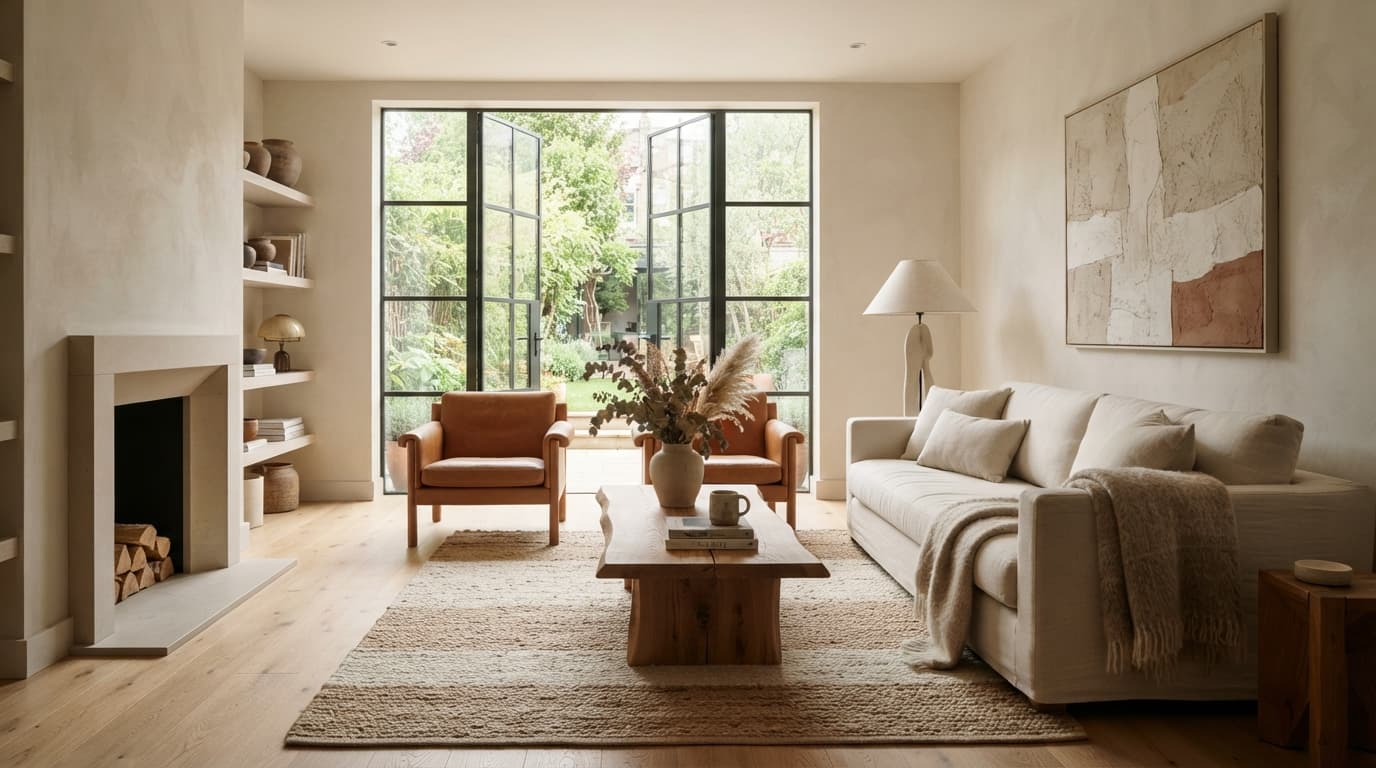
For a long time, minimalism felt… cold. Think stark white walls, chrome accents, and furniture that looked like it belonged in a museum exhibit rather than a cozy home. The clean lines and lack of clutter are worth keeping; what was missing was warmth. This is where warm minimalism steps in, and honestly, it's a breath of fresh air. It’s about stripping away the excess but wrapping what remains in a comforting, approachable embrace.
Warm minimalism is all about creating spaces that feel uncluttered and intentional, but also deeply personal, inviting, and livable. It’s the perfect antidote to the "all white everything" trend, bringing in earthy textures, soft lighting, and a palette that nurtures rather than intimidates. If your current space feels sterile, or you’re craving simplicity without sacrificing soul, this approach might be exactly what you need.
The "Why" Behind Warm Minimalism
Design isn't just about aesthetics; it profoundly impacts how we feel in our homes. Traditional minimalism, with its often monochromatic and stark execution, can sometimes feel restrictive, almost as if you’re living in a showroom. Warm minimalism, however, understands that a home needs to be a refuge. It recognizes that clean lines and open space don't have to come at the expense of comfort and personality.
We see it as a natural evolution. People are craving authenticity and a connection to nature, even within their urban apartments. We want our homes to reflect a sense of calm and well-being, especially with so much digital noise in our daily lives. This style isn't just about what you don't have; it's about making deliberate choices about what you do have, ensuring each piece contributes to a feeling of peace and understated elegance. It's about quality over quantity, and comfort woven into every choice.
Key Pillars of Warm Minimalism
Achieving warm minimalism isn't about following a strict formula, but rather understanding a set of guiding principles. These are the elements we lean on when designing a space with this aesthetic.
Palette: Embracing Warm Neutrals
Forget cool grays and crisp whites as your base. Warm minimalism calls for a palette rooted in nature. Think creamy off-whites, soft beiges, gentle taupes, and an array of earthy browns. These aren't boring colors; they’re incredibly versatile and create a serene backdrop for texture and natural materials to shine.
We often start with a wall color like Benjamin Moore's "Swiss Coffee" or Farrow & Ball's "Skimming Stone" – colors that have just enough warmth to feel inviting without reading as yellow. Then we layer in textiles and wood tones that complement this base. For instance, a rich walnut coffee table against a flax linen sofa looks intentional and sophisticated. When you’re choosing your base colors, consider how they interact with natural light in your room throughout the day. A color that looks great in a brightly lit showroom might feel different in your home, so always get samples! For more guidance on finding your perfect hues, check out our post on how to choose furniture color.
Texture: Tactile and Layered
This is where warm minimalism really comes to life. Since the color palette is restrained, texture becomes paramount. You want materials that beg to be touched, adding depth and interest without relying on pattern or bright colors.
- Wood: Opt for natural, light-to-medium wood tones like white oak, ash, or a warmer maple. Darker woods like walnut can be incredibly grounding and add a touch of sophisticated drama, especially when paired with lighter textiles. We're talking about solid wood pieces—a substantial dining table, a sturdy dresser, or a handcrafted console.
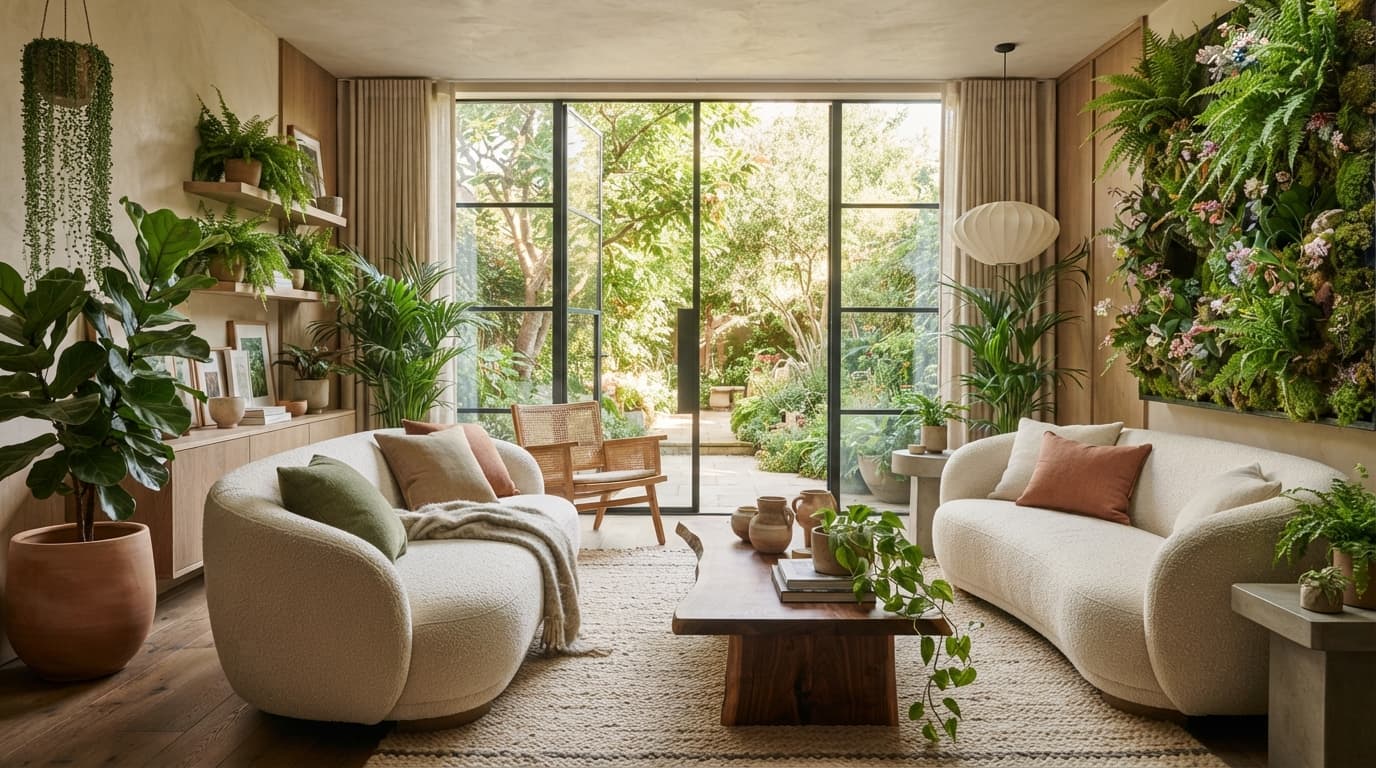
- Fabrics: Linen is a warm minimalist dream. Its natural slubs and soft drape add an organic feel. Bouclé, with its looped texture, is another fantastic option for sofas or accent chairs, bringing an immediate sense of cozy luxury. Just a heads up: bouclé looks incredible but it's a nightmare if you have pets who like to knead, or if you have young children who might snag it. Wool, cotton, and even subtle weaves like chenille can contribute to the layered textile story.
- Stone & Ceramics: Travertine, marble, and concrete for coffee tables, side tables, or decorative objects bring a raw, earthy elegance. Hand-thrown pottery, even if purely decorative, adds a human touch and a sense of craftsmanship.
- Rugs: A soft, natural fiber rug is essential. Think wool, jute, or a blend. A chunky loop pile wool rug in a cream or beige instantly makes a room feel more grounded and comfortable. A flatweave jute rug adds texture and a casual, natural vibe. When it comes to size, We're opinionated: A 9x12 rug under a sectional in a living room is non-negotiable for most standard-sized rooms. It needs to extend under the front legs of all main seating pieces to anchor the space properly. For a more in-depth guide, read our advice on how to pick a rug for living room.
Furniture: Form Meets Comfort
The furniture in a warm minimalist space is defined by clean lines but with an emphasis on comfort and organic shapes. There’s a softness here that traditional minimalism often lacks. You won't find overly ornate pieces, but you also won’t find anything that feels uncomfortable or uninviting.
- Sofas & Seating: Look for pieces with generous proportions, slightly rounded edges, and plush cushions. A low-slung linen sectional, a creamy bouclé armchair, or a comfortable leather sofa with a gentle curve. Skip the matching sofa and loveseat set; instead, mix a fabric sofa with a leather accent chair for visual interest and varied texture. For a small living room, consider a well-proportioned sectional sofa for small living room that maximizes seating without overwhelming the space.
- Tables: Coffee tables and side tables often feature rounded forms or natural, irregular shapes. A solid wood drum table, a low travertine slab, or a pedestal table with soft curves works beautifully. Functionality is key, so consider pieces with subtle storage if needed, but avoid overt bulkiness.
- Storage: Integrated, sleek storage solutions are paramount. Built-in shelving, discreet cabinets, or sideboards with flush fronts keep clutter hidden, maintaining that serene, uncluttered aesthetic.
Lighting: The Glow-Up
Lighting is arguably the most powerful tool for creating warmth. In warm minimalism, it’s not just about illuminating a space; it's about setting a mood. You need layered lighting with a warm color temperature.
- Color Temperature: Aim for bulbs in the 2700K to 3000K range. This produces a soft, amber glow that feels cozy and inviting, unlike the stark white light of higher Kelvin bulbs.
- Layering: Don't rely on a single overhead light. Incorporate floor lamps for ambient light, table lamps for task lighting and mood, and even wall sconces to highlight artwork or add architectural interest. Dimmers are your best friend for controlling the ambiance throughout the day and evening.
- Fixtures: Look for lamps with natural materials like linen shades, ceramic bases, or brushed brass finishes. Organic shapes, like a mushroom lamp or a sculptural floor lamp, fit the aesthetic perfectly.
Curated Accents: Intentional & Meaningful
Less is truly more here. Every accessory should feel intentional and contribute to the overall calm. This isn't about filling shelves; it’s about carefully selecting a few meaningful pieces.
- Art: Abstract art with soft lines and muted, earthy tones works wonderfully. Think large-scale pieces that make a statement without being loud. Consider textured art, like a plaster piece, or a simple framed botanical print.
- Vases & Pottery: Hand-thrown ceramic vases, often left unglazed or with a matte finish, are perfect. Fill them with dried branches, pampas grass, or a single, sculptural stem.
- Books: A carefully stacked collection of beautiful art or design books can add character.
- Candles: Scented candles in earthy fragrances (sandalwood, amber, cedar) contribute to the sensory warmth.
- Throws & Pillows: Soft, textured throws draped over a sofa or armchair, and a few thoughtfully chosen throw pillows in linen, wool, or bouclé, add immediate comfort.
- Mirrors: A large, simple mirror with a thin wooden or metal frame can reflect light and make a space feel more open, a useful trick for how to make a small room look bigger.
Embracing Imperfection & Organic Forms
One of the beautiful things about warm minimalism is its embrace of the imperfect. Think about Japanese Wabi-Sabi principles: finding beauty in authenticity and imperfection. This translates to organic shapes, handcrafted items, and natural materials that show their age and character over time. A slightly irregular ceramic bowl, a piece of reclaimed wood furniture, or a deliberately asymmetrical arrangement of objects can add soul to a minimalist space, preventing it from feeling sterile. It’s about creating a space that feels lived-in, not just looked at.
Bringing Warm Minimalism to Life in Your Home
Let's talk specifics for a couple of key rooms.
Living Room: The Heart of Coziness
Your living room is where much of the magic happens. To create a warm minimalist living room, start with your largest pieces:
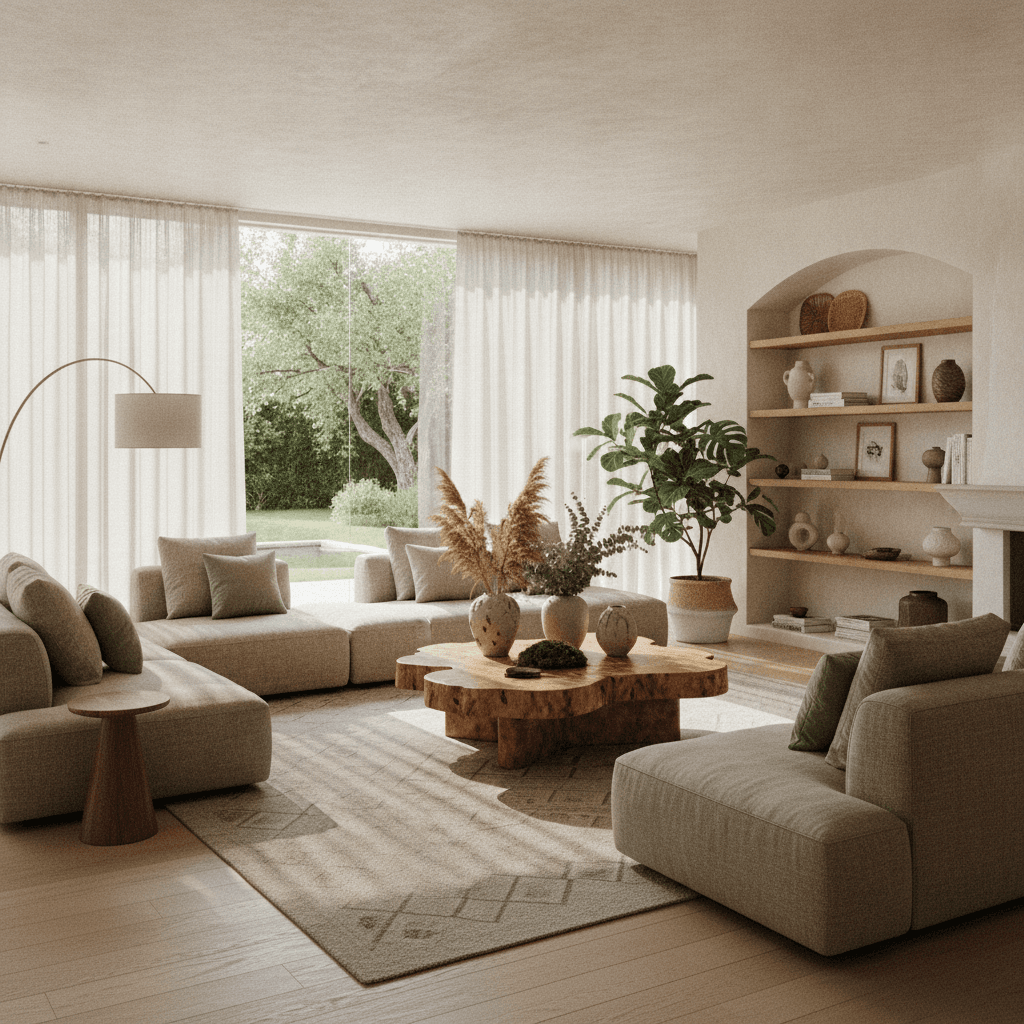
- Sofa: A substantial, low-slung sofa in a warm neutral fabric like a performance linen or a tactile boucle. For example, a cream-colored Article Sven sofa (around $1800-$2500 depending on size) or a Crate & Barrel Wells sectional (starting around $3000) would be a fantastic base. A rule of thumb for the rug: if you have a sofa and two chairs, an 8x10 rug should comfortably sit under the front legs of all pieces. For a sectional, usually a 9x12 is needed.
- Coffee Table: Instead of a rectangle with sharp edges, consider a round solid oak coffee table from a brand like Menu (starting around $800) or a more accessible option from West Elm (around $400-600) with a sculptural base or a low, organic shape. A simple travertine plinth works beautifully as a coffee table for an extra touch of natural luxury.
- Accent Seating: Pair your main sofa with an interesting accent chair. Perhaps a curved oak chair with a woven seat, or a sheepskin-covered lounge chair. These can range from $300 to over $1000 depending on the brand and materials. This is an area where you can introduce a subtle material contrast, like a dark wood frame against a lighter sofa. Check out our thoughts on how to choose the right sofa for your living room for more detailed advice.
- Lighting: Layer lighting with a floor lamp next to the sofa—maybe one with a linen shade and a brass base—and a couple of ceramic table lamps on side tables. Add a dimmer switch to your overhead lighting (if you have any) for ultimate mood control.
- Styling: Keep accessories minimal but impactful. A large, abstract piece of art on the main wall, a few curated books on a simple open shelf or coffee table, and a chunky knit throw draped over an armchair. A large, healthy plant, like an olive tree or a fiddle leaf fig, brings life and softness.
Bedroom: A Serene Retreat
The bedroom is prime real estate for warm minimalism, as it’s where you want to feel most relaxed and calm.
- Bed Frame: A platform bed in a light wood like white oak, or an upholstered frame in a natural linen or wool fabric. A low-profile bed has a notably calming effect. Think about the Floyd Platform Bed (around $1000-$1500) or a similar style from other furniture stores.
- Bedding: Prioritize quality bedding in natural fibers. Linen sheets in a natural flax, crisp cotton in a creamy white, or a soft wool blanket. Layering different textures of bedding—a flat sheet, a duvet, and a chunky knit throw—adds depth and invites rest.
- Nightstands: Simple, solid wood nightstands with minimal hardware. Maybe a single drawer for essentials to keep the surface clear.
- Lighting: Soft bedside lamps with ceramic bases and linen shades are perfect. A wall-mounted sconce can free up nightstand space and create a lovely ambient glow.
- Art & Decor: A single, calming piece of art above the bed—perhaps a large landscape print with muted colors or a textured abstract. No more than one or two other decorative items on a dresser or shelf. A small, sculptural vase with dried florals or a beautiful catch-all dish for jewelry. For more inspiration, explore our bedroom ideas and master bedroom ideas.
Our take on the staying power
Is warm minimalism just another fleeting trend? We genuinely don't think so. While certain elements, like specific bouclé patterns or travertine pieces, might cycle in and out of popularity, the core principles of warm minimalism are timeless. Prioritizing comfort, natural materials, a calm color palette, and intentional living isn't a trend; it's a foundation for good design that will always resonate.
It's a style that adapts. As our lives change, the fundamental desire for a home that feels both beautiful and deeply comfortable will remain. The subtle shifts and layers of texture prevent it from ever feeling boring or dated, unlike the colder, starker iterations of minimalism that quickly became passé. Investing in high-quality, natural material furniture pieces means they'll last, both in durability and style. This is a design philosophy for living, not just for looking at.
How Roomellow Helps You Achieve Warm Minimalism
Ready to transform your space with warm minimalism but feeling overwhelmed by where to start? This is exactly why we built Roomellow. You can upload a photo of your room, and our AI will generate redesigns using real, purchasable furniture from a variety of furniture stores. It’s an incredible way to visualize how a creamy linen sofa will look next to a white oak coffee table in your actual living room before you commit to buying anything.
Think of it as having a personal design assistant at your fingertips. You can experiment with different warm neutral paint colors, see how a textured wool rug changes the feel of the space, or compare various wood tones for your furniture. You can explore a new layout, swap out different lighting fixtures, and discover pieces that perfectly align with the warm minimalist aesthetic, all without moving a single piece of furniture in real life. It’s an honest and effective way to design a space that truly reflects your vision and ensures every purchase is a confident one. To get started and design your dream room, you can design my room with real furniture right now.
Ready to redesign your room?
Upload a photo of your room and get a professional AI redesign with real furniture you can buy. Free to try — no credit card required.
Try Roomellow free