Interior Design Trends 2027: Intentionality & Lasting Style
The 2027 interior design trends we expect - deeper biophilia, quiet comfort, sculptural pieces - set against what Pantone and Benjamin Moore actually published.
By Roomellow Team
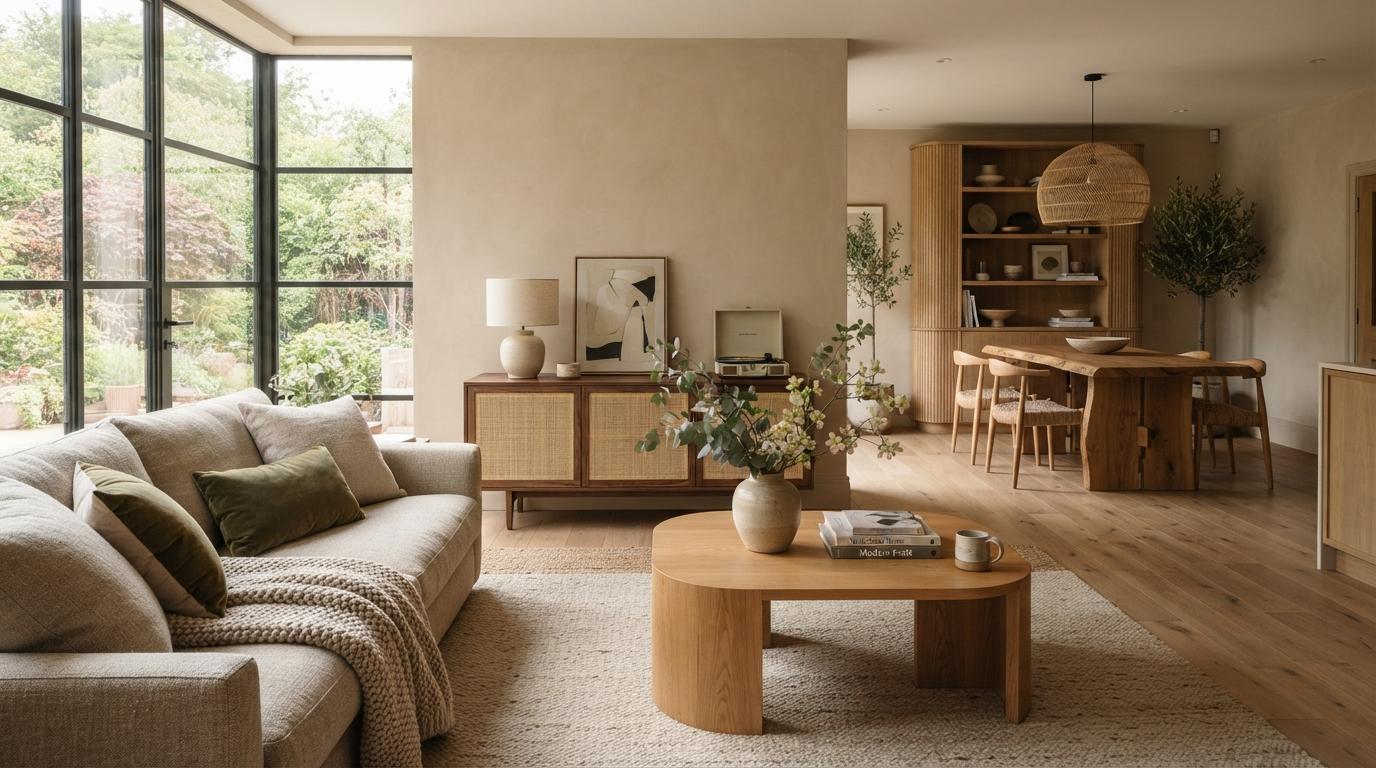
As a new year approaches, we’re always looking ahead, anticipating what will shape our homes and how we’ll live in them. But here at Roomellow, our focus isn't just on fleeting fads. We're interested in the deeper currents, the shifts that truly influence how we interact with our spaces and the pieces we choose to fill them with. For 2027, we see a clear movement towards intentionality, longevity, and a powerful sense of personal story. It’s less about chasing the "next big thing" and more about investing in quality, comfort, and authenticity. We’re moving beyond mass-produced uniformity towards homes that feel deeply personal, yet quietly sophisticated. Let’s unpack the interior design trends we believe will truly define 2027, not just for a season, but for years to come.
Biophilia, Reimagined: Beyond the Potted Plant
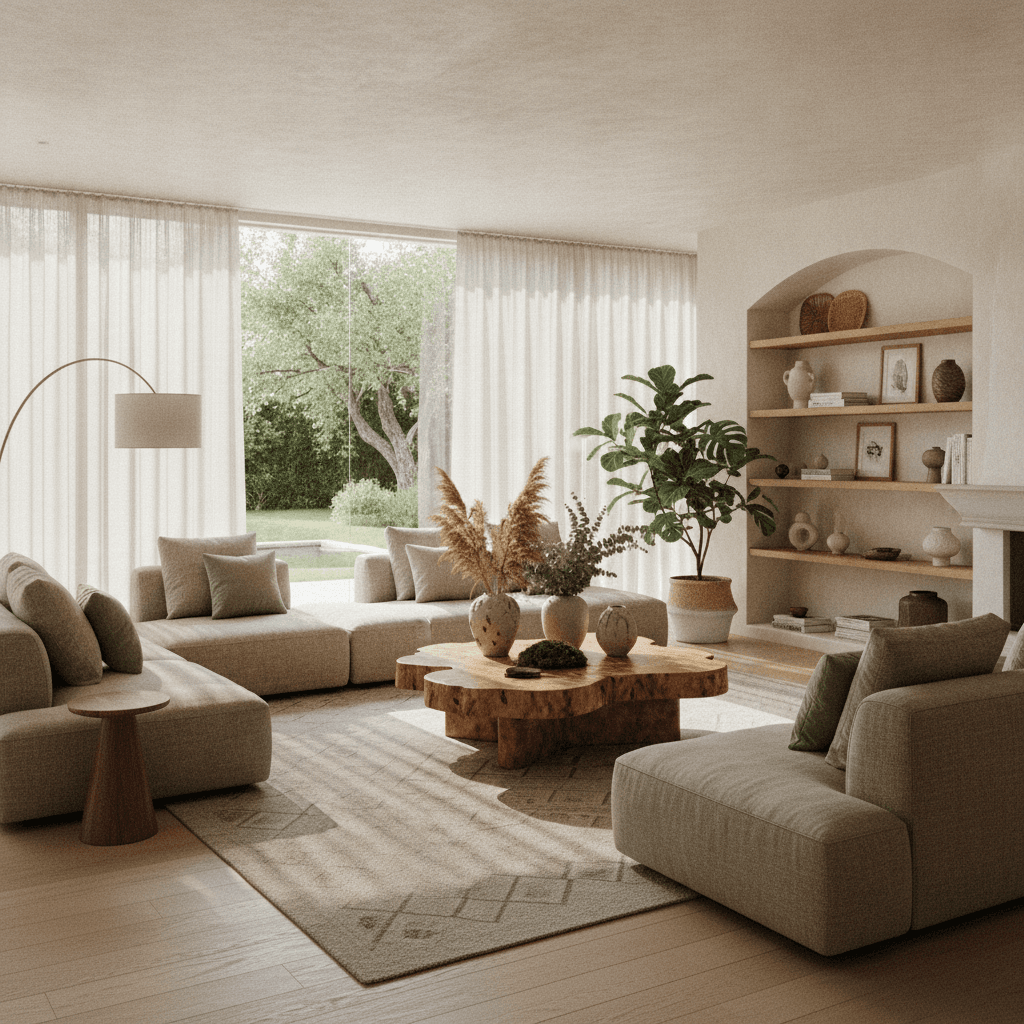
Biophilic design has been around for a while, but for 2027, it’s evolving beyond simply adding a fiddle leaf fig to every corner. We’re talking about a deeper, more integrated connection to the natural world within our homes. This trend embraces organic forms, raw textures, and natural light in ways that genuinely mimic nature, rather than just decorating with it.
Why it works: Our daily lives are often disconnected from nature, especially for those of us in urban environments, and bringing some of it indoors changes how a room feels to be in. We would rather be careful about how far that goes: the research usually cited for biophilic design tested things like tending indoor plants and views of greenery, not walnut tables. Treat it as a reason to like natural light, real materials and greenery, not as a health claim about your furniture. What we can say is that natural light, real materials and greenery make a room calmer to live in, and that is reason enough. It's about designing spaces that feel alive, breathable, and serene.
How to get the look:
- Embrace natural materials: Think beyond just wood floors. Look for solid white oak or walnut with a matte or oiled finish rather than a high gloss. The grain and the small irregularities stay visible, and the surface still survives the spills a dining table actually gets. Consider dining tables with a live edge or coffee tables made from a single, sculptural piece of stone like travertine or marble. We love the warmth a solid wood piece, say a 72-inch long walnut dining table in a modern dining room makeover, can bring. It instantly elevates the space, and the beauty is that it just gets better with age.
- Layer natural textures: Swap out synthetic fabrics for linen, wool, cotton, and hemp. A thick, textured wool rug (size it the way designers actually do, with the front legs of every seat landing on the rug. For a standard L-shaped sectional that usually means a 9x12, while a small-space L-shape is often happier on an 8x10) will add immense warmth and acoustic comfort. Linen blend curtains allow diffused light to filter in, softening it. For sofas, consider performance linens or wool blends that offer both durability and natural appeal.
- Organic shapes: Move away from harsh, geometric lines. Look for furniture with soft curves, rounded edges, and fluid forms. A sofa with a gently curved back, a kidney-shaped coffee table, or even decorative objects with an irregular, hand-hewn feel will soften a space and create a more inviting atmosphere.
- Thoughtful plant integration: Of course, plants are still in, but consider them as integral design elements rather than just accessories. Think large, sculptural plants that create a focal point, or smaller, trailing plants that add movement and life to shelves. Vertical gardens or living walls, even small ones, can transform a space. For more inspiration, explore how we integrate these elements in our biophilic interior design examples.
Our take: This trend is not going anywhere. As our lives become more digital and fast-paced, the need for grounding, natural environments at home will only grow. It’s an approach that prioritizes long-term well-being over fleeting aesthetics, making it a timeless principle rather than a passing fad.
The Rise of Quiet Comfort: Elevated Essentials
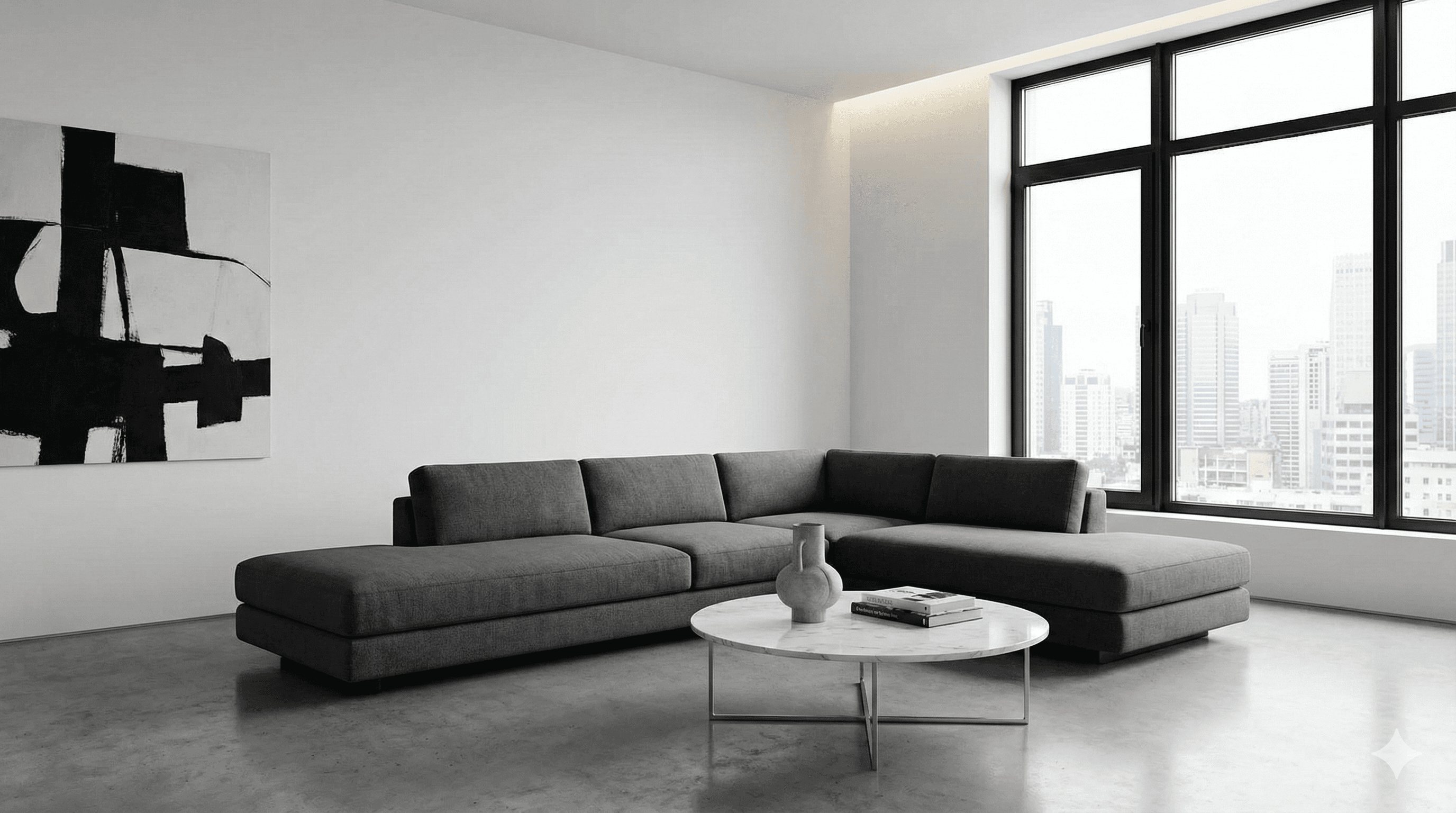
Say goodbye to overtly flashy luxury or sterile minimalism. For 2027 we expect what we would call quiet comfort—a design philosophy that prioritizes quality, enduring style, and understated elegance. It’s about creating spaces that feel incredibly comfortable, thoughtfully curated, and quietly luxurious, without being ostentatious. Think of it as a grown-up version of "warm minimalism," focusing on investment pieces that will last.
Why it works: Minimalism had a long run, and the reaction to it has been warmer, bolder and more layered. Pantone reached a similar conclusion from a different direction: its View Home + Interiors 2027 forecast, presented by Leatrice Eiseman in March 2026 under the theme “Sense-Abilities”, is aimed, in the housewares association’s write-up of her keynote, at helping people create a respite from the outside world, which the release says many feel is getting increasingly noisy and overwhelming. Worth being honest about the wrinkle, though. Pantone published seven palettes and they do not all point one way. By our reading four lean calm or muted, including Hush and Grounded, while Allure is dramatic and elegant and Elation is vibrant and playful. That grouping is ours, not Pantone's, and the release itself is titled “2027 Home Color Forecast Offers Respite and Joy in Noisy World”. So quiet comfort is one strong current in 2027, not the whole picture. Quiet comfort finds a beautiful middle ground, valuing craftsmanship, tactile richness, and a sense of calm. It’s about building a home that feels like a refuge, filled with pieces that are a joy to touch, sit on, and live with every day. It encourages mindful consumption, focusing on fewer, better things.
How to get the look:
- Invest in foundational pieces: Your sofa, bed, and dining table should be chosen for their quality and comfort first. Look for solid wood frames, high-density foam cushions, and durable, natural fiber upholstery. A well-made sectional sofa, for example, can be a significant investment ($2000-$6000), but its longevity and comfort make it worthwhile. When considering how to choose the right sofa for your living room, prioritize frame construction and fabric durability.
- Prioritize natural fibers and rich textures: This is where the "comfort" truly shines. Cashmere throws, linen bedding, tailored wool rugs, and even performance velvet upholstery add an incredible tactile dimension. While bouclé looks incredible, our honest advice is it's a nightmare if you have pets or small children due to its looping texture. Instead, consider a durable, tightly woven wool or linen blend that offers similar visual texture with better resilience.
- Serene color palettes: Think muted tones derived from nature: soft creams, warm grays, muted greens (like olive green), dusty blues, and gentle terracottas. These colors create a calming backdrop that allows textures and forms to stand out, rather than competing for attention. The color houses landed in the same place: Benjamin Moore named Webster Green HC-130 its Color of the Year 2027 on 14 October 2026, describing it as “pairing reassuring stability with optimistic energy”, and set it in an eight-color palette: Webster Green plus seven complementary hues, from White Down OC-131 to Townsend Harbor Brown HC-64. Benjamin Moore used the same eight-color structure for 2026, when Silhouette AF-655 was complemented by seven hues, but the 2025 palette had ten. The size of the palette on its own says little about 2027. The useful part is the release’s own description of it, which "emphasizes warmth and heritage while encouraging personalization". We love how a deep olive green can bring a sophisticated calm to a living room color scheme.
- Thoughtful detailing: This is where the "quiet luxury" comes in. It’s in the subtle piping on a cushion, the elegant curve of an armchair’s armrest, the delicate grain of a custom cabinet. These are not loud statements, but rather details that reveal themselves upon closer inspection, speaking to quality and craftsmanship.
- Strategic decluttering: This isn't about empty rooms, but about curating your possessions. Every item should serve a purpose or bring you joy. This creates a sense of order and calm, allowing the quality of your chosen pieces to truly shine. For more on creating serene spaces, see our guide on warm minimalism interior design.
Our take: This isn't just a trend; it's a movement towards more thoughtful, sustainable living. It’s about creating homes that truly nurture us, and that’s something that will always be in style. The focus on quality and durability also means less waste and a longer lifespan for your furniture, which is a win-win.
What the Color Houses Actually Published vs What We Expect
Most 2027 trend lists, including the first draft of this one, are opinion presented as forecast. So here is the honest split: what two color authorities have actually announced for 2027, and where our own expectations go further than anything they said.
| Our 2027 call | What was actually published | How far we are extrapolating |
|---|---|---|
| Deeper biophilia, beyond the potted plant | Pantone's "Sense-Abilities" theme is built around the senses (smell, touch, taste, vision and hearing); Grounded and Hush are two of its seven palettes | Pantone is talking about color and feeling, not walnut tables or organic shapes. The furniture reading is ours. |
| Quiet comfort over flashy luxury | Benjamin Moore's Andrea Magno described Webster Green HC-130 as "pairing reassuring stability with optimistic energy", and the release says the Color Trends 2027 palette "emphasizes warmth and heritage while encouraging personalization" | We are leaning on those descriptions, not the palette structure: Benjamin Moore also built an eight-color palette for 2026, and a ten-color one for 2025, so the count is not a 2027 signal. Pantone's Allure and Elation palettes are openly bold, so restraint is not the whole story. |
| Muted greens, creams and warm neutrals | Webster Green HC-130 is Benjamin Moore's Color of the Year 2027, announced 14 October 2026 | Not a prediction, a published announcement. Note it is one paint brand's pick; Pantone had not named a 2027 Color of the Year when we published. |
| Sculptural furniture and lighting as art | Nothing. Neither Pantone nor Benjamin Moore says this | Entirely our expectation, from what we notice in design work and in what stores put on their home pages. We have not measured it, and neither color house says it. Treat it as opinion. |
| Heritage and personal curation | Benjamin Moore says the Color Trends 2027 palette "emphasizes warmth and heritage while encouraging personalization"; Pantone's forecast lists nostalgia for the past among its 2027 drivers | The closest match of our four calls. Both are describing color, not objects, so the vintage-mixing advice is still ours. |
If you only take one thing from this table: the color direction for 2027 is documented, and the furniture direction is informed guesswork, including ours. Anyone presenting the second with the confidence of the first is selling you something.
Sculptural Statements: Furniture and Lighting as Art
Move over, purely functional pieces. We think 2027 is the year furniture and lighting get treated as art, not just function. We’re seeing a strong lean into unique forms, exaggerated silhouettes, and pieces that demand attention not just for their utility, but for their sheer artistic presence.
Why it works: In a world where so much is mass-produced, sculptural pieces offer a way to inject unique personality and a sense of craftsmanship into your home. They serve as focal points, conversation starters, and an expression of your individual style, elevating a room from merely furnished to truly designed.
How to get the look:
- The oversized pendant light: This is perhaps the easiest way to make a sculptural statement. Forget small, utilitarian fixtures. Look for a pendant light with a dramatic silhouette, unique material (like textured plaster, woven rattan, or mouth-blown glass), or an impressive scale (a 24-inch diameter dome pendant, for instance). Place it over your dining table, in the center of your living room, or even in a spacious entryway.
- Curved and organic furniture: Continuing the biophilic thread, furniture with generous curves and unexpected shapes is key. Think about an armchair with a dramatic, cantilevered design, a sofa with a continuous, flowing line, or a coffee table with an irregular, organic top made from wood or stone. These pieces instantly soften a room and add visual interest.
- Pedestal dining tables: Instead of traditional four-legged tables, consider a dining table with a substantial, sculptural pedestal base. This creates a strong focal point and often offers more seating flexibility.
- Accent chairs as art: Choose an accent chair not just for extra seating, but for its unique form. A sheepskin-covered lounge chair with an exposed wooden frame or a velvet armchair with an exaggerated armrest can transform a corner into a design moment. For inspiration, see this accent-chair makeover.
- Balance is key: While these pieces are meant to stand out, don't overdo it. One or two strong sculptural elements per room are usually enough. Balance them with simpler, more understated pieces to avoid a chaotic or overwhelming look.
Our take: While specific sculptural styles will evolve, the concept of integrating artistic pieces into our living spaces is a lasting one. It’s a powerful way to inject personality and elevate your home beyond the ordinary. The trick is to choose pieces you genuinely love, not just because they're "on-trend."
Heritage & Personal Curation: Telling Your Story
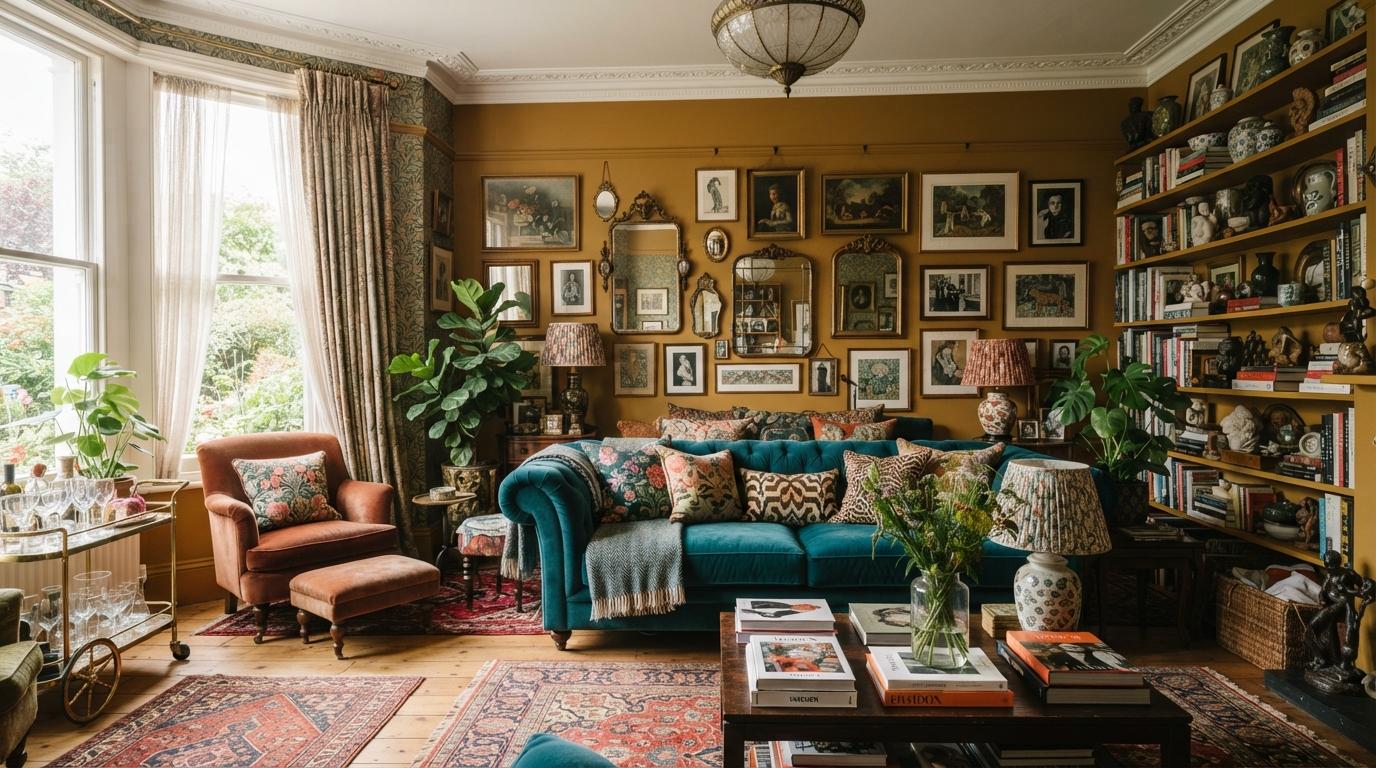
Finally, we expect an even stronger emphasis on creating homes that tell a story – your story. This means moving away from perfectly matched sets and showroom looks towards spaces that feel genuinely lived-in, layered, and deeply personal. It's about mixing eras, styles, and origins, celebrating imperfection, and embracing pieces with history and meaning.
Why it works: In a world of digital perfection, there's a longing for authenticity and connection. A home that reflects your journey, your tastes, and your memories is infinitely more comforting and inviting than one that looks like it came straight out of a catalog. It creates a space with soul, depth, and a unique character that can't be replicated.
How to get the look:
- Mix new with old: This is the cornerstone of curated design. Pair a sleek, modern sofa with a vintage coffee table or an antique side cabinet. A brand-new extendable dining table designed for small spaces can look incredible paired with a set of mid-century modern dining chairs you've found at a local market. Don't be afraid to combine different wood tones and finishes; the contrast adds richness.
- Embrace inherited pieces: Don't dismiss grandma's sideboard or that old family clock. Find ways to integrate them into your modern aesthetic. Sometimes, all it takes is a fresh coat of paint, new hardware, or simply styling it in a contemporary way. These pieces carry sentimental value and instantly add character.
- Showcase global influences and travel finds: Display pottery from a trip to Mexico, textiles from Morocco, or art from a local artisan you discovered on vacation. These items bring a unique cultural dimension and serve as beautiful reminders of experiences.
- Art that resonates: Choose art that speaks to you, not just to match your sofa. Whether it’s an abstract painting, a landscape print, or a black and white photograph, let your art reflect your personality and passions. Gallery walls are excellent for mixing different styles, sizes, and mediums.
- Thoughtful display of books and objects: Your bookshelves aren't just for books; they're an opportunity to display curated objects, family photos, and small sculptures. Learn bookshelf styling ideas to create vignettes that tell a micro-story.
- Layering textiles: Mix patterns, textures, and colors in throws, cushions, and rugs. A solid sofa can be instantly enlivened with a mix of patterned cushions and a textured throw.
Our take: This trend is less about what’s "in" and more about fundamental human desire for authenticity. A curated home is a truly sustainable home because it’s built slowly, intentionally, and with love. It will never go out of style because it's uniquely yours.
Bringing It All Together with Roomellow
Feeling inspired but wondering how to actually bring these trends into your specific space? That's where Roomellow comes in. We understand that visualizing new furniture and decor can be tough. Instead of guessing, you can upload a photo of your room, and our AI will redesign it using real, purchasable furniture from various stores. It's a fantastic way to see how a sculptural piece or a natural texture reads in your own light. You pick the style, the AI picks real products from the stores we support, and you can swap any item for another real product from the stores we support. Two honest limits. The wall color, the finishes and any extra accents the AI adds beyond the products in your results are styling, not items for sale. Everything in the product list, including decor like wall art, vases, planters and curtains where the store stocks them, is a real SKU with a link. And a render is a preview, not a guarantee of exact scale, color match or fit. If you want to think about how to choose furniture color first, start there. Every buy link goes to the store's own product page. If you're struggling with how to design a room when you don't know where to start, Roomellow offers a clear, actionable path.
Ready to redesign your room?
Upload a photo of your room and get a professional AI redesign with real furniture you can buy. Free to try — no credit card required.
Try Roomellow freeFurther Reading
Sources
- Benjamin Moore Names Webster Green HC-130 as its Color of the Year 2027, Benjamin Moore,
- Pantone View Home + Interiors 2027: Sense-Abilities, Pantone Color Institute / International Housewares Association,